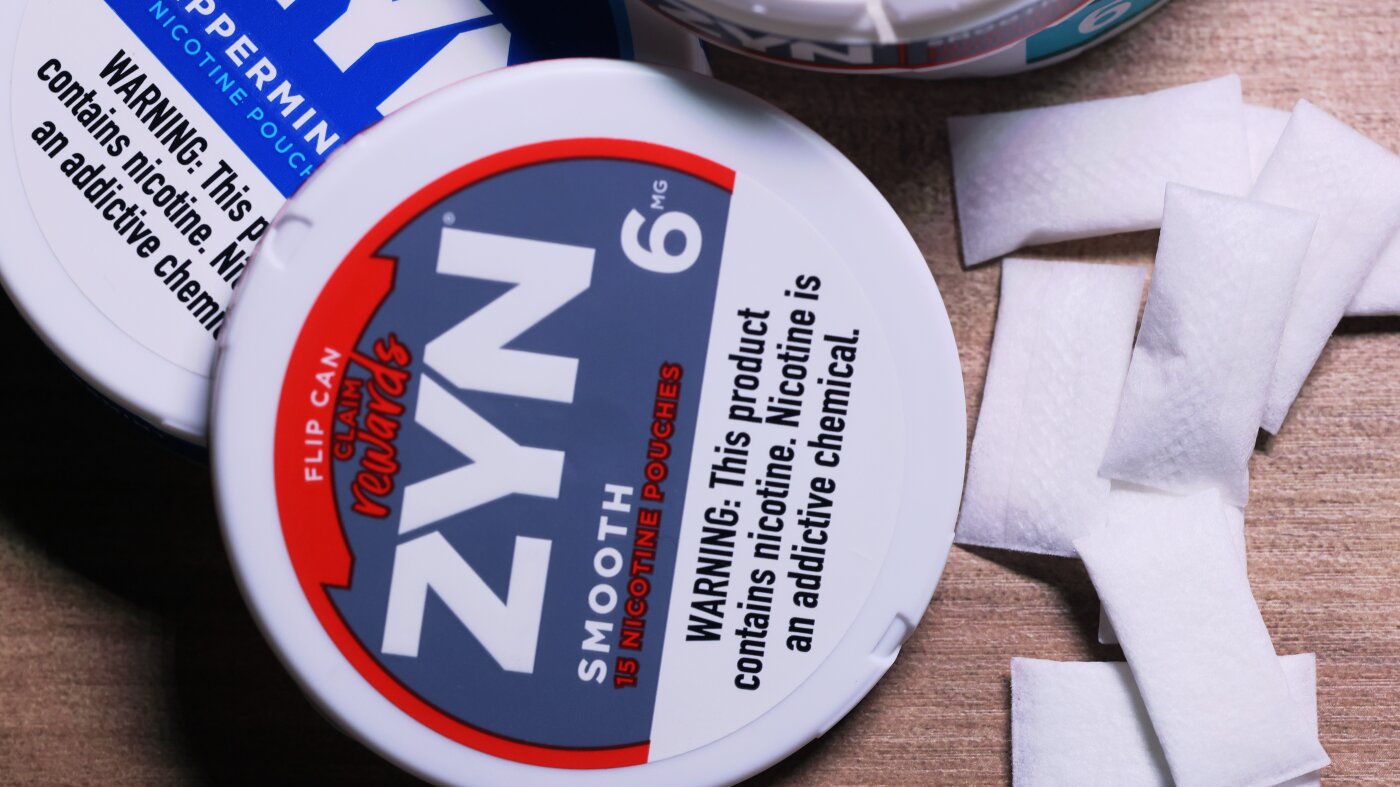
The Food and Drug Administration (FDA) has authorized the nicotine pouch brand Zyn to be marketed as a "lower risk" alternative to cigarettes. This decision allows the company to include specific claims in its advertising regarding a reduced risk of several diseases for adult smokers who switch to the pouches. Bret Koplow, acting director of the FDA’s Center for Tobacco Products, stated the move is intended to provide adult users with science-based information to make informed choices about tobacco products.
The authorization follows a 2025 FDA decision that permitted Zyn products to be marketed in the United States. During that process, the agency noted that flavored products might help adult smokers transition away from cigarettes. While Zyn has been available in the U.S. for approximately a decade, public health experts continue to study the long-term effects of oral nicotine products, noting that it took decades to fully understand the health impacts of traditional cigarettes.
The new marketing authority allows Zyn to claim that using its pouches instead of cigarettes reduces the risk of lung cancer, mouth cancer, heart disease, stroke, emphysema, and chronic bronchitis. Philip Morris International, Zyn’s parent company, maintains that its marketing targets adults and that its products deliver nicotine levels comparable to cigarettes. However, some researchers, such as Dr. Robert Jackler of Stanford University, argue that the brand’s use of flavors and "lifestyle" imagery may undermine its role as a cessation tool.
The scale of use is also shifting among younger populations. According to the Monitoring the Future study, lifetime use of nicotine pouches among 12th-graders rose from 6.8% in 2024 to 10.0% in 2025. This means approximately one in ten high school seniors has tried these products. While federal law mandates a minimum age of 21 for all tobacco sales, educators report finding pouch litter in schools, noting that the products are easy for students to conceal. Experts warn that nicotine can impact adolescent brain development, and the FDA has indicated it could withdraw marketing authorization if youth use continues to rise.
The knock-on effects involve a debate over whether nicotine pouches serve as a "harm reduction" tool or a gateway to cigarette use. While the FDA views the "lower risk" label as a way to help adults quit smoking, critics argue that flavored products like "Cool Mint" or "Smooth" may attract non-smokers. What happens next depends on future data: the FDA continues to monitor youth access and enforcement of age limits. If the agency determines that the products are primarily attracting new young users rather than helping adult smokers quit, the current marketing authorizations could be rescinded.