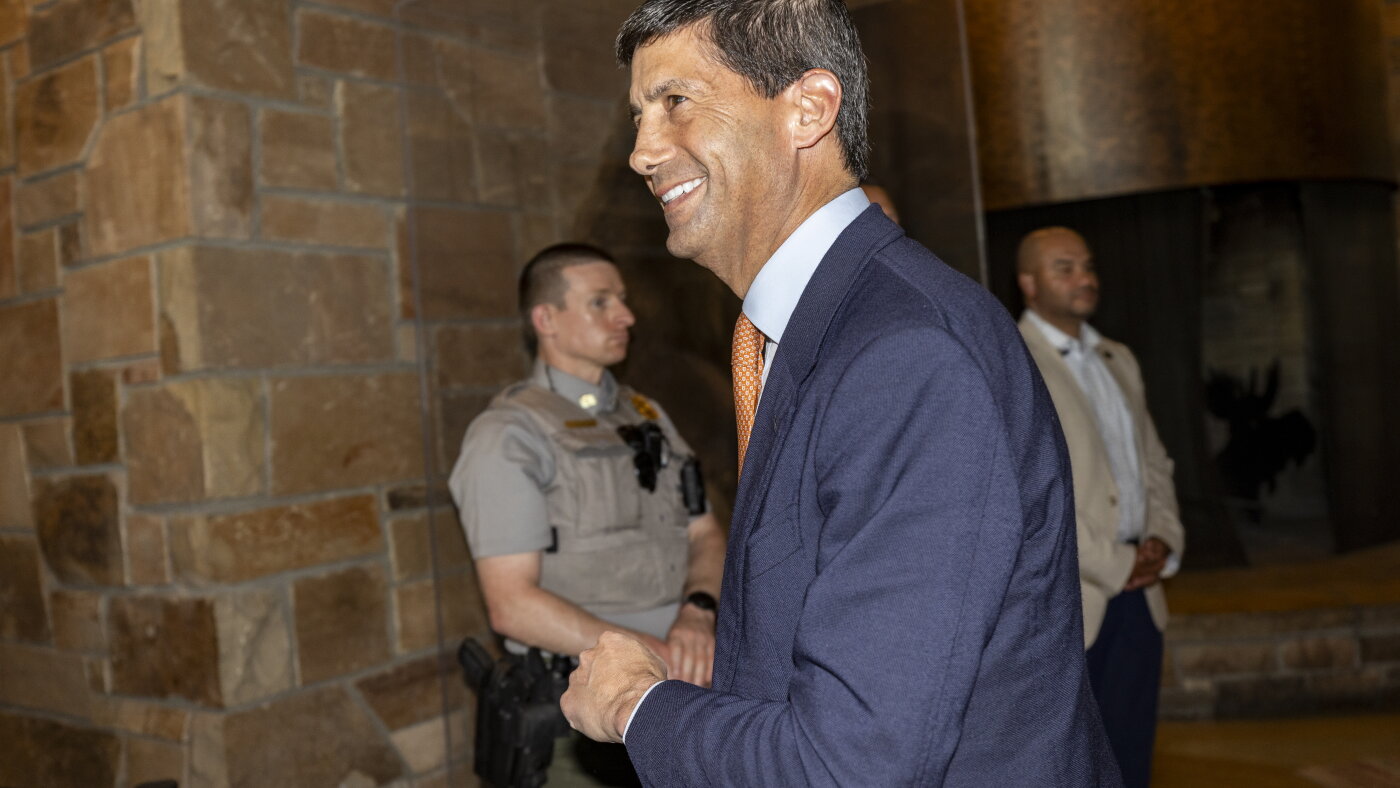
Federal Reserve Chairman Kevin Warsh stated Friday that inflation remains above the central bank's target, signaling that policymakers are prepared to take further action if price pressures do not subside. Speaking at the annual economic symposium in Jackson Hole, Wyoming, Warsh noted that while some data shows cooling, underlying trends have not yet shown meaningful improvement toward the Fed's 2% annual goal.
The remarks follow a period of resilient economic activity despite high interest rates. Warsh described the labor market as stable, with a July unemployment rate of 4.1%, and characterized consumer spending and business investment as strong. He emphasized that the Fed's "predominant focus" remains on prices, as multiple inflation measures currently exceed the 2% threshold.
Government data cited in the reports show the consumer price index rose 3.4% over the 12 months ending in July, while the Federal Reserve's preferred inflation metric measured 3.7% during that same period. Warsh stated that unless the Fed is confident inflation is moving toward its objective at sufficient speed, the central bank has "work to do," a phrase markets interpreted as an openness to raising the benchmark interest rate.
Warsh also addressed his preference for "purposeful" and limited communications, arguing against the practice of "forward guidance," or providing detailed roadmaps for future policy. He suggested that such practices, while useful during the Global Financial Crisis, now risk distorting market signals and limiting the central bank's flexibility. Additionally, he discussed the role of artificial intelligence, noting that while long-term developments may boost production and lower costs, current investments in data centers and chips are contributing to short-term inflationary pressure.
Following Warsh's speech on Friday, the CME Group's FedWatch tool showed that investor expectations for a rate hike at the next meeting rose from approximately one in three to above 50%. The Federal Reserve's next policy meeting is scheduled for September 15-16, 2026. While Warsh declined to provide a specific timeline or roadmap, he indicated that a task force he appointed to study artificial intelligence will provide recommendations at a later date, though he clarified those findings will not influence immediate interest rate decisions.