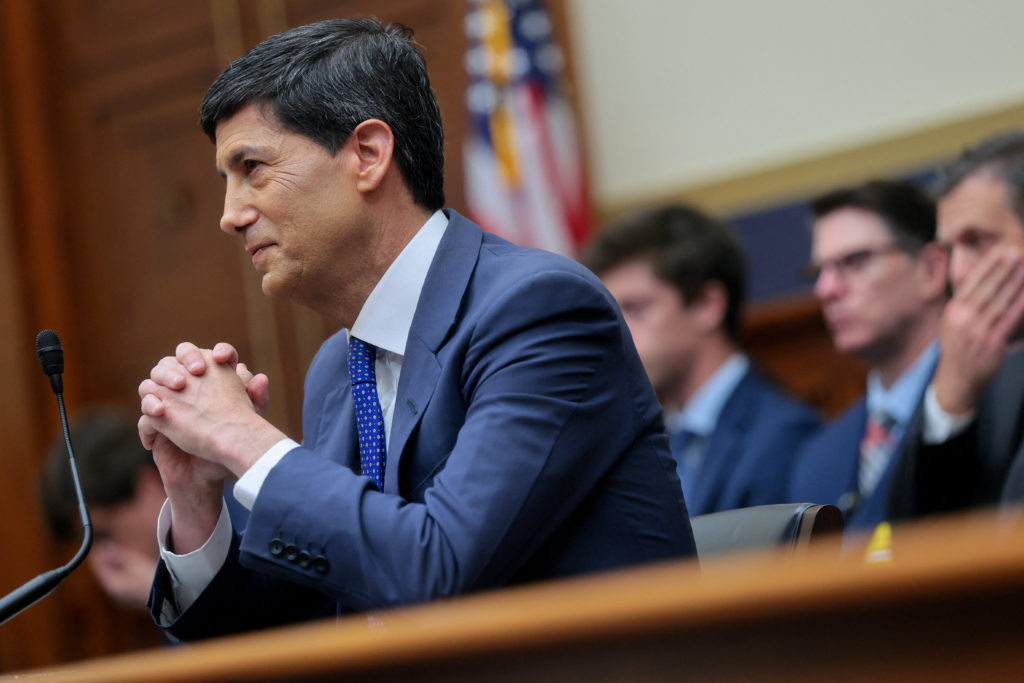
Federal Reserve Chair Kevin Warsh testified before the House Financial Services Committee on Tuesday, his first appearance before Congress since assuming the role on May 22. Warsh told lawmakers that the central bank is committed to restoring price stability and intends to make high inflation "a thing of the past." Despite this objective, he did not provide specific guidance regarding the Fed's next steps for interest rates ahead of the committee's July 28-29 meeting.
The testimony followed a government report showing that inflation fell 0.4% from May to June, largely due to lower gasoline prices. The annual inflation rate dropped to 3.5%, though "core" inflation, which excludes food and energy, remains at 2.6%—above the Fed’s 2% target. Warsh stated that while the data was positive, he does not view the effort to control inflation as complete, noting that one month of data is insufficient to declare "mission accomplished."
Lawmakers questioned Warsh on the Fed's independence and its response to market volatility caused by renewed conflict in the Middle East and heavy investment in artificial intelligence. Democratic Representative Gregory Meeks asked if Warsh was prepared to resist potential executive pressure regarding rate changes. Warsh responded that he is committed to following the law and economic data, citing recent Supreme Court actions as a reinforcement of the Fed's independence.
The Federal Reserve's rate-setting committee currently remains divided. According to recent forecasts, half of the 19 policymakers favor raising interest rates by the end of the year, while the other half support maintaining current levels or implementing cuts. Warsh indicated that the Fed would remain clear about its methods once specific decisions are reached but avoided making projections during the hearing.