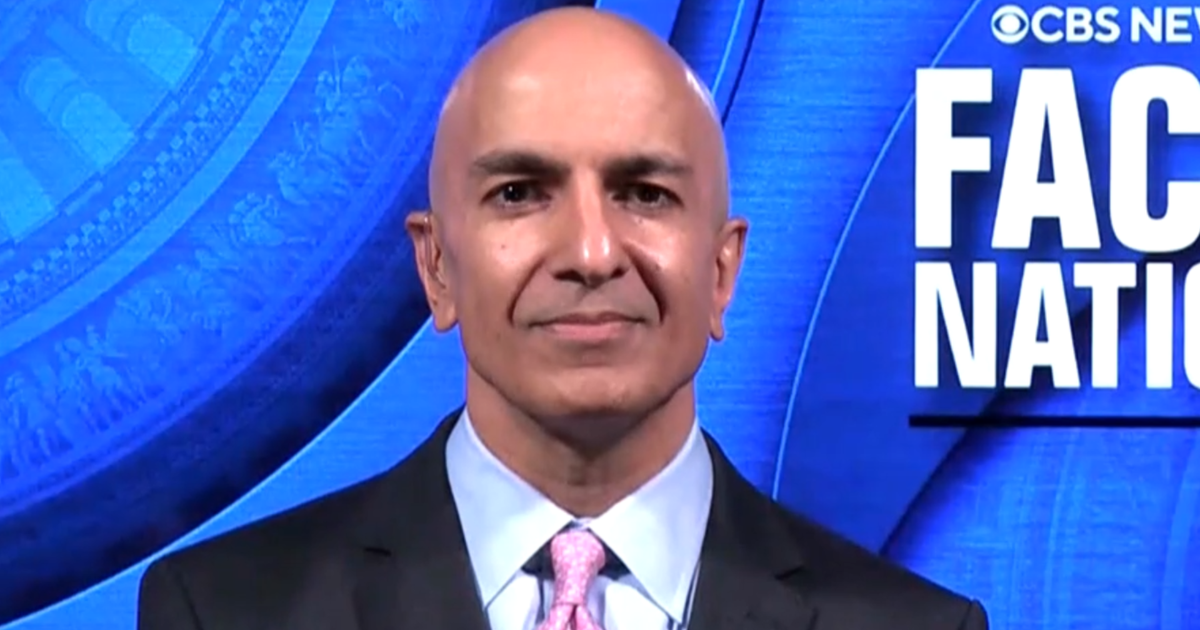
Neel Kashkari, president of the Federal Reserve Bank of Minneapolis, stated Sunday that a trade dispute with Canada could prolong inflation in the United States. During an appearance on "Face the Nation," Kashkari said that continued uncertainty regarding trade policy, similar to geopolitical conflicts in the Middle East, could delay the cooling of price increases for American consumers.
The statement followed a breakdown in negotiations between the two countries. The U.S. began imposing 50% tariffs on Canadian products on Saturday after officials failed to reach an agreement to resolve trade standoffs. U.S. Trade Representative Jamieson Greer stated that no new negotiations were currently scheduled between the two nations.
In response, Canadian Prime Minister Mark Carney announced plans for retaliatory tariffs against U.S. goods. These measures are expected to be detailed later in the week and implemented on Sept. 8. The Canadian tariffs will reportedly target a range of products, including steel, dairy, appliances, agricultural equipment, pulp, paper, and electronics.
For consumers and businesses, the concrete day-to-day impact will be felt in the cost of specific items. The retaliatory list from Canada suggests that Americans who export or rely on dairy, steel, and electronics may see shifts in demand or costs starting Sept. 8. Kashkari noted that inflation is also being influenced by energy costs related to the conflict with Iran. He stated that the "inflationary impact" of trade disputes will only fade once the market reaches a "steady state" or a "new normal" where businesses can adjust to fixed trade rules.
The dispute sets a precedent for how the U.S. manages trade with its closest allies and could influence future policy regarding international agreements like NATO. What happens next depends on whether negotiators return to the table; however, U.S. officials have indicated no plans for further talks at this time. The immediate deadline for the public to monitor is Sept. 8, when Canada's retaliatory measures are scheduled to take effect. Until a stable trade dynamic is established, the Minneapolis Fed president indicated the central bank would be paying close attention to these factors as they weigh on the broader U.S. economy.