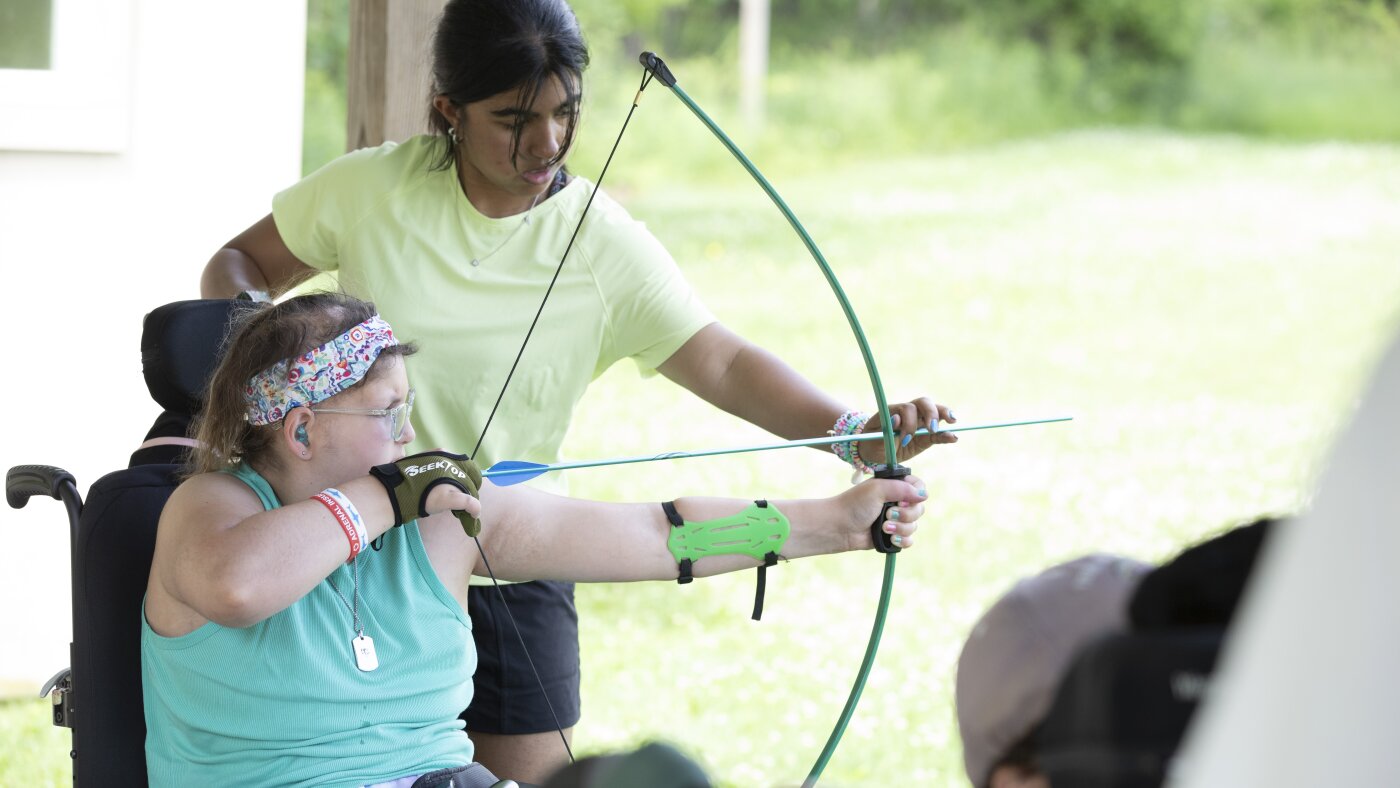
Federal funding for brain injury research and state assistance programs remains uncertain following the lapse of the Traumatic Brain Injury Act. While specialized programs like Camp Cranium in Pennsylvania continue to serve children with brain injuries through private donations, the legislative framework that historically supported national research and surveillance has not been renewed by Congress since 2024.
The Traumatic Brain Injury Act, first passed in 1996, provided grants for research, advocacy, and services. Between 2020 and 2024, the act provided $23 million annually, split between CDC concussion research and state program grants. While the act has lapsed, Congress did appropriate $8.25 million for related activities through the Consolidated Appropriations Act of 2026, which Rick Willis, CEO of the Brain Injury Association of America, noted is significantly less than previous funding levels.
In early 2025, the Trump administration terminated hundreds of employees at the Centers for Disease Control and Prevention (CDC), including the team responsible for tracking traumatic brain injuries (TBIs). The reduction occurred just before the agency was scheduled to launch a nationwide concussion surveillance system. Rebeccah Wolfkiel, executive director of the National Association of State Head Injury Administrators, stated that the community deserves more resources and expressed concern over the lack of information currently available.
Department of Health and Human Services spokesperson Emily Hilliard stated that the administration remains committed to TBI prevention and surveillance. She noted that TBI work has been reassigned to other staff within the National Center for Injury Prevention and Control. Hilliard added that the CDC is currently determining how to establish a cost-effective surveillance system within existing funding and has dedicated 2026 funds for injury prevention and educational campaigns.
For a typical household dealing with a brain injury, the impact manifests in the availability of state-funded support programs and the quality of evidence-based safety information provided by federal agencies. The reduction from $23 million to $8.25 million in total annual federal TBI program funding represents a 64% decrease in dedicated resources. This scale of reduction potentially limits the development of new safety protocols for activities ranging from youth sports to motor vehicle safety, which the Brain Injury Association of America indicates are critical for improving survival rates.
The long-term effects involve the cancellation or delay of the nationwide concussion surveillance system, which was intended to provide a more accurate count of "hidden" injuries. Without this system, public health officials lack the data required to set future policy or allocate resources effectively to the states with the highest need. Congress is currently considering House Bill 1493 and Senate Bill 2898, which would reauthorize TBI funding through 2030, but no final vote or effective date for a full restoration of funds has been established.