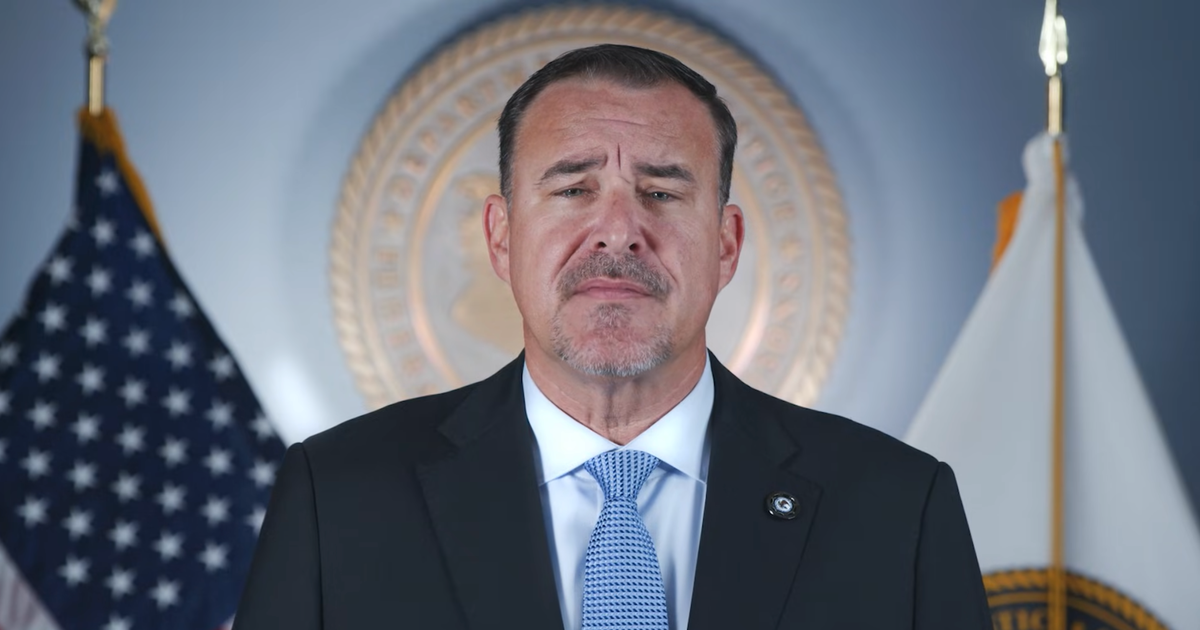
Josh Smith, the second-highest official at the federal Bureau of Prisons (BOP), announced his departure from the agency on Monday. Smith, who served as deputy director for approximately one year, did not provide a specific reason for leaving. A BOP spokesperson confirmed the exit but declined to offer further details, while BOP Director William Marshall formally notified staff of the departure in a note on Tuesday morning.
Smith’s tenure began in 2025 after he was appointed to the role by President Donald Trump. In 1998, Smith had pleaded guilty to conspiring to possess and distribute cocaine and marijuana, serving five years in a federal prison camp. President Trump granted Smith a pardon for these crimes in 2021. Prior to joining the BOP, Smith founded the Fourth Purpose Foundation, a faith-based nonprofit for incarcerated individuals, and an affiliated media company, Prison Life Media.
During his time at the agency, Smith oversaw significant personnel changes, stating in an interview that he helped replace approximately 70% of executive staff, including several wardens. He characterized his approach as "restorative," focusing on rehabilitative services to prepare prisoners for release. However, his leadership style led to friction with some agency employees. Union officials, including retired worker Joe Rojas, alleged Smith’s policies prioritized inmates over staff, while others raised questions regarding his qualifications and agency contracting.
Particular scrutiny was directed at a $183,400 contract awarded in August 2025 to Precythe Sturm Advisory Group for warden hiring assistance. Smith’s nonprofit media company later released a documentary about the firm's leader, Anne Precythe, in July. Smith stated he disclosed this association at the time the firm was retained and denied involvement in the contracting process. Additionally, union officials criticized the BOP's facilitation of prison visits for Todd Chrisley, a pardoned felon who used his podcast to call for the termination of specific staff members. Smith denied facilitating those visits.
The scale of the reported leadership changes involved the replacement of 70% of the bureau's executive staff within a single year. For the average correctional officer, these shifts manifested in new facility leadership and unconventional initiatives, such as unannounced warden visits and a new inmate tablet program. While the agency stated a contract with Securus Technologies for tablets would facilitate education and healthcare, union representatives argued the devices could be misused and create safety risks for officers on the job.
The situation sets a precedent regarding the appointment of formerly incarcerated individuals to high-ranking oversight roles within the justice system. The friction between Smith and the union highlights ongoing debates over the balance between rehabilitative reform and traditional correctional security protocols. Following his departure, Smith indicated he will return to his nonprofit and media work. No successor has been named, and it remains unclear if the personnel and contracting policies initiated during his year-long term will be maintained or reviewed by the Department of Justice.