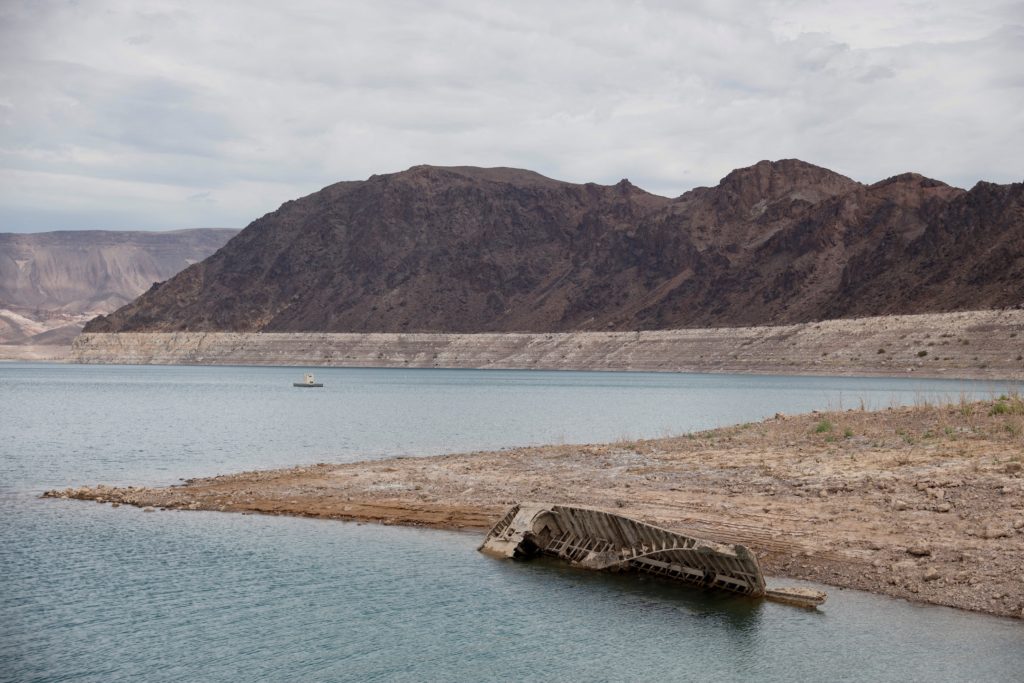
The U.S. Bureau of Reclamation released an environmental impact statement on July 31, 2026, outlining a new federal blueprint for managing the Colorado River. The document establishes requirements for water distribution and reservoir levels as the seven states that rely on the river remain at an impasse over voluntary usage cuts. This federal intervention follows a period of drought that has reduced the river’s flow by approximately 20 percent compared to historical levels.
The Colorado River is governed by the 1922 Colorado River Compact, which divided the water among the Upper Basin (Colorado, Wyoming, Utah, and New Mexico) and the Lower Basin (California, Arizona, and Nevada). The original agreement allocated 7.5 million acre-feet—roughly 2.4 trillion gallons—to each basin. However, scientists and officials noted that these allocations were based on data from an unusually wet period, and the river has consistently failed to meet those volumes during the current 25-year drought.
The new blueprint introduces a 10-year adaptive management plan that ties water discharges from Lake Powell and Lake Mead to the actual hydrology of the river. If reservoir levels reach critical lows, the Bureau of Reclamation will mandate specific cutbacks for users downstream. While cities in the region have implemented conservation measures, approximately 75 percent of the river’s water is currently consumed by the agricultural sector.
The concrete day-to-day impact will be felt most acutely by the agricultural community, which uses three-quarters of the river's flow. Farmers may be forced to switch to less water-intensive crops, invest in expensive irrigation technologies, or leave acreage unplanted. These changes could affect the price and availability of winter produce for consumers nationwide, as the region provides a significant portion of the country's vegetables. Federal officials have not yet specified the exact dollar amount of the economic impact, but the transition away from traditional irrigation could cost the industry millions in lost revenue and infrastructure updates.
The knock-on effects of these mandates could reshape Western water law and urban development. By prioritizing municipal needs over historical agricultural rights, the federal government is setting a precedent for how resources are managed in the face of climate change. This shift is likely to trigger litigation, with legal experts anticipating the matter will eventually reach the U.S. Supreme Court to resolve disputes over the 1922 Compact. More specific operational details and final rules are expected to be released in the coming weeks, which will determine the exact schedule for potential water delivery reductions through 2028.