A federal judge in California ruled Friday that the U.S. government violated the Constitution by targeting noncitizens for deportation for criticizing Israel’s actions in Gaza and other political speech. Judge Noël Wise of the U.S. District Court in San Jose found that the Trump administration’s efforts to remove noncitizens who expressed such views violated the First and Fifth Amendments. The ruling struck down portions of federal provisions used to justify these actions, citing free-speech and legal vagueness flaws.
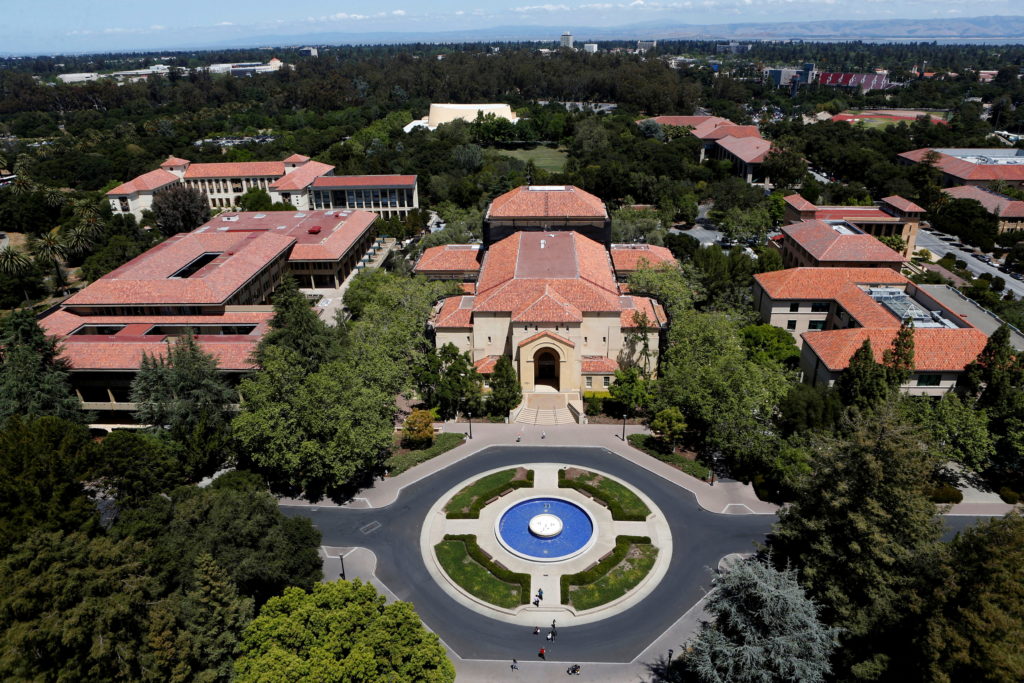
The legal challenge was brought by the Foundation for Individual Rights and Expression (FIRE) on behalf of the student newspaper at Stanford University. The newspaper reported that some international students were afraid to speak out due to the deportation threat. This decision follows a similar ruling issued nearly a year ago by a federal judge in Boston, who also found that targeting noncitizens for deportation based on their support for Palestinians was unconstitutional.
In her written opinion, Judge Wise stated that the freedoms of speech and the press are "foundational to America's enduring democracy." She specifically noted instances in March 2025 where immigration authorities took action against individuals for speech supporting Palestinians or criticizing Israel. The judge also referenced government retaliation against those who were critical of Charlie Kirk, the co-founder of Turning Point USA, after he was assassinated in September 2025. The Justice Department did not respond to a message seeking comment on Saturday.
For students and faculty at institutions like Stanford University, the decision impacts campus discourse. International students, who the source notes were previously afraid to speak out, saw the judge strike down provisions that the government used to target them for their views. The ruling emphasizes that the First Amendment’s protections apply to noncitizens within U.S. borders, regardless of whether their speech is critical of the government or its foreign policy.
The effects of this decision could influence how federal agencies handle disciplinary reports from college campuses. It also sets a legal barrier against using immigration law as a tool for regulating political dissent. If the administration chooses to appeal, the case would move to the U.S. Court of Appeals for the Ninth Circuit. No specific deadlines for an appeal or further hearings were reported in the source.