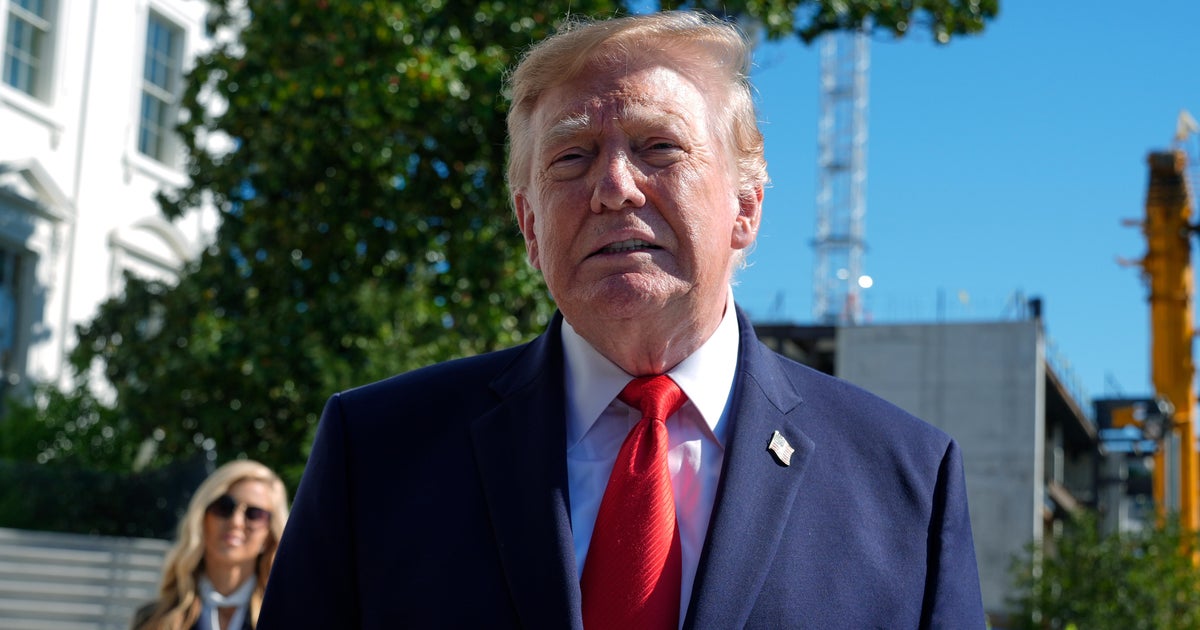
A federal judge on Tuesday night issued a preliminary injunction blocking the White House from enforcing a ban on journalists from CNN, MS NOW, and Politico. U.S. District Judge Timothy Kelly, a 2017 appointee of President Donald Trump, ruled that the administration's revocation of press credentials likely violated the journalists' First and Fifth Amendment rights. The decision maintains the reporters' access to the White House grounds indefinitely while a civil lawsuit filed by the media organizations proceeds in federal court.
The legal dispute began in September when President Trump announced he would bar the three outlets for what he described as "fake news" and "fiction." On Sept. 19, Secret Service officers confiscated the permanent "hard passes" of journalists from the affected organizations as they arrived at the White House. The news outlets filed suit on Sept. 21, leading to a temporary restraining order on Sept. 23 that restored their access. Tuesday's ruling extends that access for the duration of the litigation.
Judge Kelly stated in his 26-page decision that the president's public comments suggested an intent to alter news reporting, which could deter a "reasonable reporter" from publishing stories the president finds objectionable. While the Justice Department argued the ban was justified by national security concerns and professional standards, the judge found no evidence that national security was the original basis for the decision. Kelly noted that many of the articles cited by the White House as problematic were written by journalists who did not even hold hard passes, and one flagged story was based on an official White House press call.
The case sets a significant legal precedent regarding the constitutional protections afforded to the press within government facilities. Judge Kelly cited binding appellate opinions establishing that journalists have a due process right to their White House passes, meaning the government cannot summarily revoke them without notice and an opportunity to respond. The ruling also marks the first time in this case that the court found the outlets were likely to succeed on First Amendment claims of viewpoint discrimination and retaliation. These findings suggest that while the president can criticize the media, the court views the use of government credentials to punish specific reporting as a potential violation of free speech guarantees.
Litigation will continue as the court moves toward a final judgment on the merits of the lawsuit. The preliminary injunction does not grant the reporters access to more restricted areas like the Oval Office or Air Force One, which remain subject to separate administration controls. President Trump previously stated on Truth Social that if the judge ruled against him, the Justice Department would appeal the decision. No date for an appeals court hearing has been reported, and the current injunction will remain in place unless a higher court lifts it.