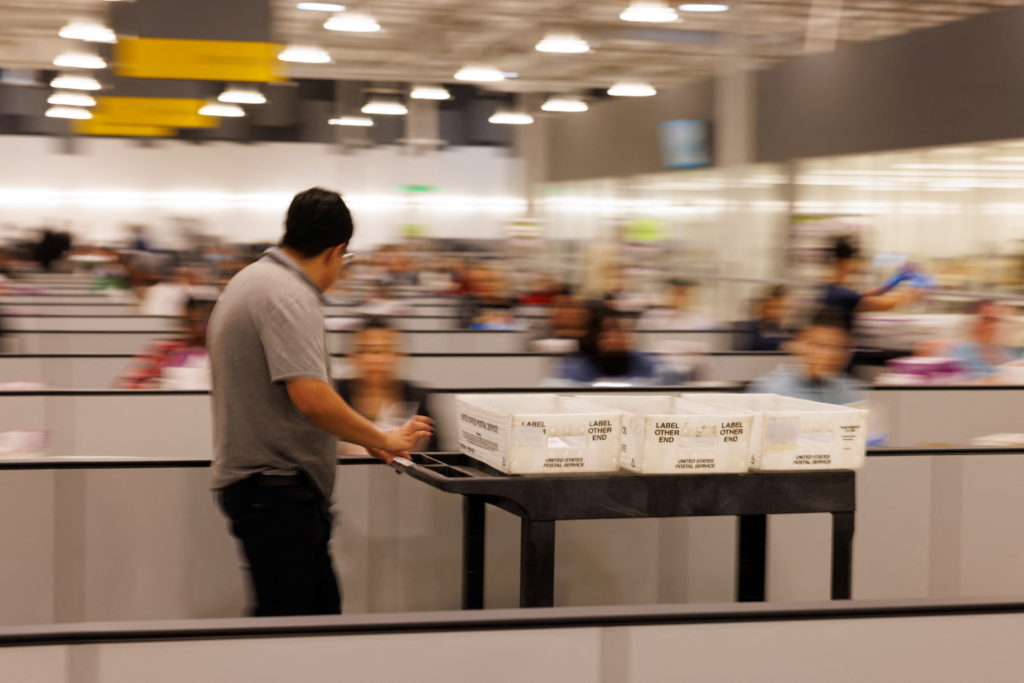
A federal judge in Boston considered on Thursday, September 3, 2026, whether to extend a ban on U.S. Postal Service (USPS) regulations for mail ballots ahead of the midterm elections. The regulations were proposed following an executive order by President Donald Trump. U.S. District Court Judge Indira Talwani stated during the hearing that the USPS had not provided specific details on how it would implement the plan with approximately 70 days remaining before the election.
The legal dispute follows a June ruling by Judge Talwani that prohibited the administration from implementing changes for the November election, citing the proximity to the voting period. However, the Supreme Court ruled last month that the initial prohibition was premature because the USPS had not yet published its regulations. Once the agency published the rules, voting rights groups and Democrats filed new lawsuits, leading to a 14-day temporary restraining order issued by Talwani last week.
Under the proposed USPS directives, the agency would have to approve the design of ballot envelopes and states would have to upload voter lists to an online portal before the agency delivers mail ballots. Additionally, a whistleblower report warned that a new rule requiring all ballots to be physically brought to post offices could lead to batches being discarded if a single bar code registers an error. Justice Department lawyer Michael Velchik, representing the USPS, stated that the federal government is offering states the option to opt into this system, though no state has yet done so.
The scale of the impact involves the logistical operations of election offices. Election officials stated that complying with the directives could require a complete overhaul of their existing operations, as many offices have already printed their envelopes and ballots. The whistleblower report suggested the physical mailing requirements and bar code error protocols could result in tens of thousands of legitimate ballots in a single batch not being sent if one error is detected.
Plaintiffs argue the shift in authority over election rules is a power designated by the Constitution to the states and Congress rather than the executive branch. The administration has maintained that the changes are legal and relatively minor, though the online portal required for the changes remained inactive as of this week. The 14-day temporary restraining order is set to expire next week. The Justice Department indicated it will likely seek an emergency intervention from the Supreme Court by the end of this week to allow the plan to proceed.