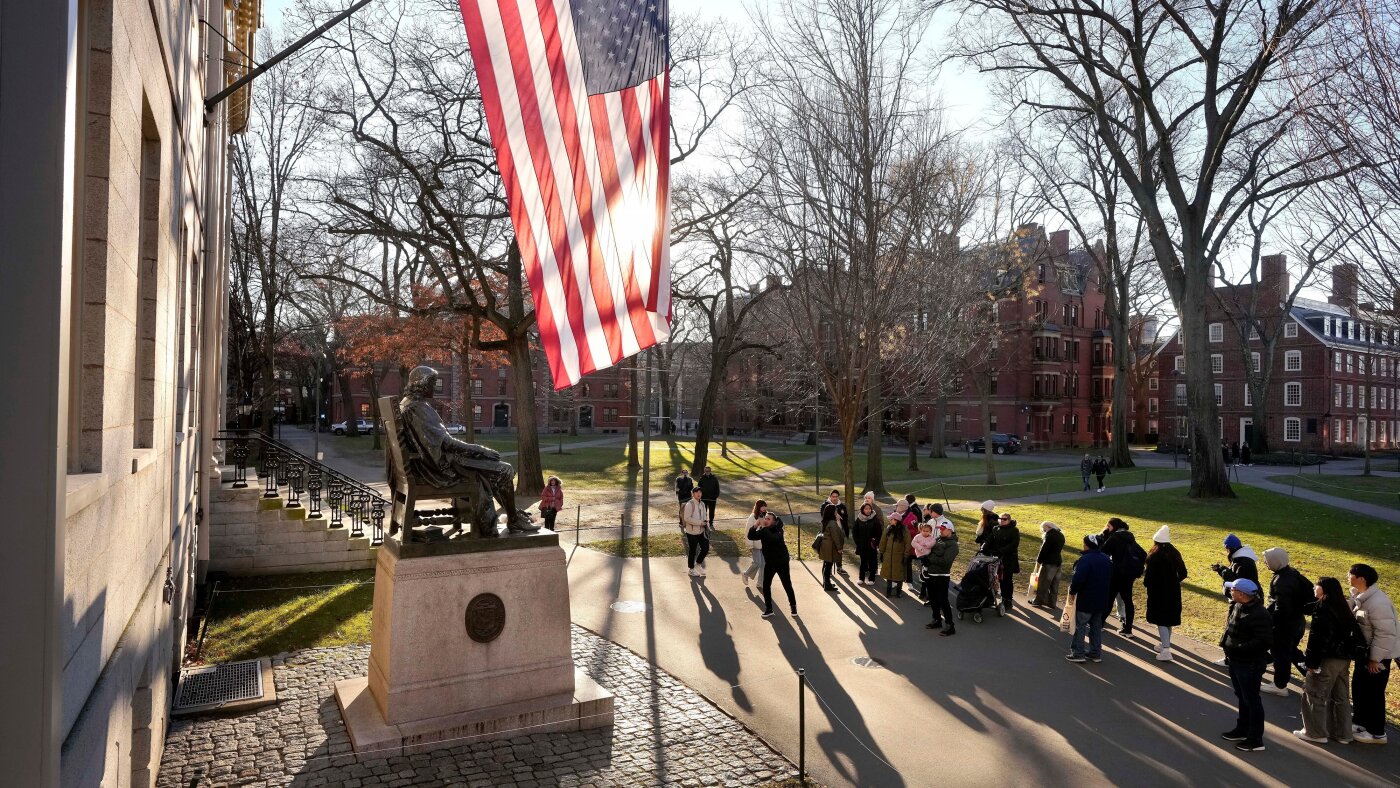
A federal judge in Boston dismissed a lawsuit Thursday filed by the Trump administration against Harvard University. The lawsuit alleged that the university failed to protect Jewish students from harassment following the October 7, 2023, attacks on Israel. U.S. District Judge Richard G. Stearns ruled that the administration did not prove an ongoing violation of federal civil rights laws.
The legal action follows a series of disputes between the university and the administration after President Donald Trump returned to office. Previously, the administration had sought to reduce Harvard's research funding and place limits on its ability to enroll foreign students and U.S. military members. In a separate ruling last year, a judge ordered the administration to reverse $2.6 billion in funding cuts to the university, finding the White House had applied unconstitutional conditions to the money.
The dismissed lawsuit focused on incidents during the 2023-24 academic year and March 2025, where the government claimed Jewish students were harassed, assaulted, and stalked during pro-Palestinian demonstrations. Harvard officials argued they had taken steps to address these issues, including forming an antisemitism task force and reforming discipline policies. Judge Stearns characterized the cited incidents as "too isolated and episodic" to establish a persistent violation of the law.
Students and faculty at Harvard will notice the immediate stability of research programs and campus initiatives that rely on these federal funds. Had the government succeeded, the loss of billions in grants could have impacted lab operations, student research positions, and academic departments. The decision also reinforces the current disciplinary and administrative changes implemented by Harvard President Alan M. Garber, who stated the university is committed to ensuring Jewish and Israeli members can thrive through new task forces and "more consistent, fair and effective" discipline policies.
The ruling sets a precedent regarding the "ongoing" nature of civil rights violations required for federal intervention. It suggests that isolated past incidents may not be sufficient to justify the clawback of federal funding if they do not represent a persistent, current pattern. The decision highlights an impasse between the White House and the Ivy League institution, as colleges typically resolve such disputes through voluntary compliance agreements rather than litigation. Harmeet Dhillon, assistant attorney general for civil rights, stated the Department of Justice is assessing its next steps following the ruling.
What happens next: The Department of Justice has not yet announced whether it will appeal the dismissal. No specific deadlines for an appeal or further court dates were reported. Harvard has not yet provided a public comment on the judge's decision.