The Plain Record

Neutral daily news — clear headlines, complete facts.

Legal

Federal judge dismisses Trump defamation lawsuit against Wall Street Journal

U.S. District Judge Darrin P. Gayles dismissed a defamation suit against The Wall Street Journal, ruling Donald Trump failed to prove actual malice.

By The Plain RecordUpdated October 31, 2026 at 5:20 PM EDT
Published October 31, 2026 at 4:24 PM EDT

The short answer

U.S. District Judge Darrin P. Gayles dismissed a defamation suit against The Wall Street Journal, ruling Donald Trump failed to prove actual malice.

Updates (1)

  • Update — October 31, 2026 at 5:20 PM EDT: In a 20-page ruling, U.S. District Judge Darrin Gayles in Miami dismissed the suit with prejudice, ruling that President Trump did not prove the defendants made defamatory statements with actual malice.
Federal judge dismisses Trump defamation lawsuit against Wall Street Journal

The Facts

Who
U.S. District Judge Darrin P. Gayles, Donald Trump, The Wall Street Journal, and News Corp.
What
Dismissal of a defamation lawsuit with prejudice.
When
Saturday, October 31, 2026
Where
Miami, Florida
Why
The judge ruled that the plaintiff failed to meet the legal standard of 'actual malice' and that the First Amendment protects journalists from being blocked by denials from public figures.

A federal judge on Saturday, October 31, 2026, dismissed a defamation lawsuit filed by Donald Trump against The Wall Street Journal and its parent company, News Corp. U.S. District Judge Darrin P. Gayles ruled that Trump failed to meet the legal standard of "actual malice" required to sue for defamation. The dismissal was issued "with prejudice," which bars the refiling of the same claim in this court.

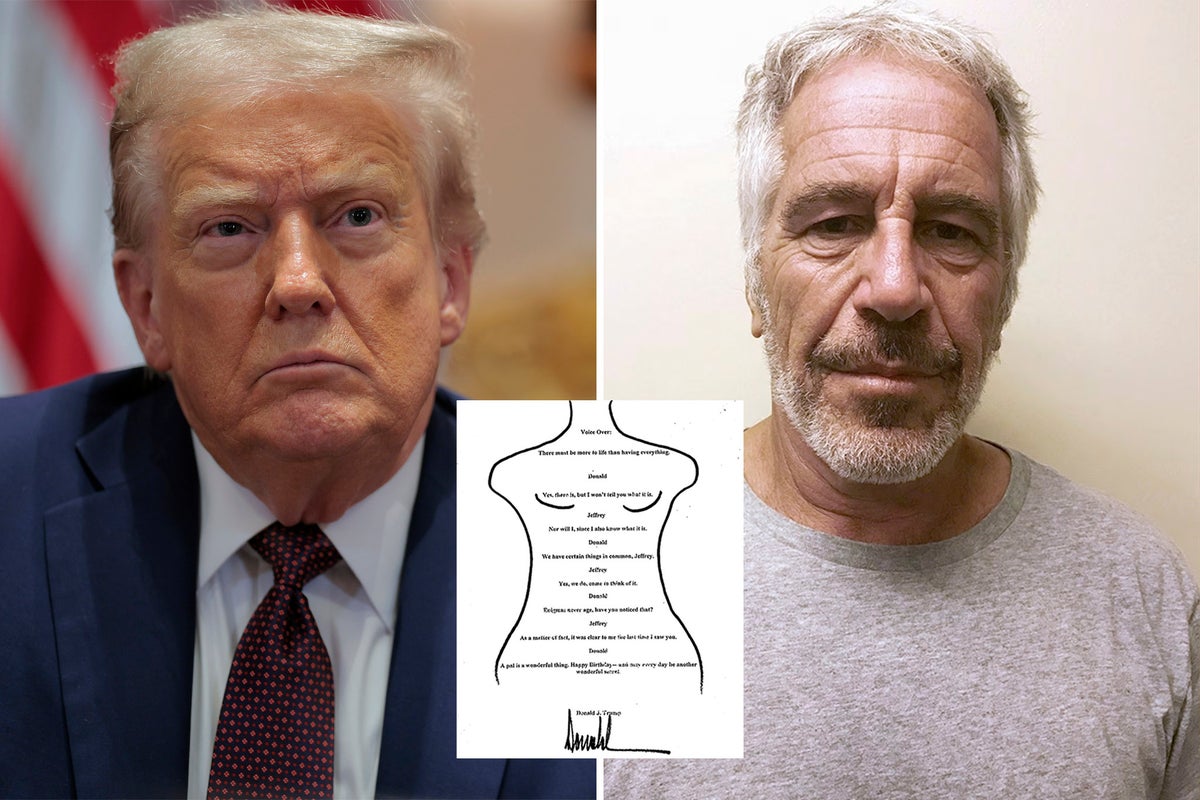
The litigation centered on a 2023 report by The Wall Street Journal regarding an allegedly sexually suggestive birthday note sent by Trump to Jeffrey Epstein for his 50th birthday. Trump denied writing the letter or the signature on the document, which the Epstein estate reportedly shared with members of Congress last year. Trump initially filed a lawsuit seeking $10 billion to $20 billion last summer, claiming the article was false and malicious. A first version of the suit was dismissed in April 2026, but Trump’s legal team subsequently refiled.

In his 20-page ruling, Judge Gayles stated that the allegations were "conclusory, vague, sometimes inconsistent with the article, and often irrelevant." The judge noted that the First Amendment does not require journalists to disregard their investigations simply because a public figure issues a denial. A spokesperson for Trump’s legal team stated that he will "press forward" with the lawsuit, while a source familiar with the strategy indicated an appeal is likely.

The ruling affects the ability of public figures to sue news organizations for reporting that they dispute. By dismissing the case with prejudice based on the "actual malice" standard, the court cited legal precedent established in New York Times v. Sullivan. This standard requires a plaintiff to prove a publisher knew information was false or acted with reckless disregard for the truth. For the defendants—which include News Corp, chairman emeritus Rupert Murdoch, and specific journalists—this decision ends a legal challenge seeking between $10 billion and $20 billion in damages.

The outcome impacts how media organizations cover investigations involving public figures and criminal figures like Jeffrey Epstein. The judge wrote that if the law allowed a denial to block publication, "journalists would be immediately blocked from publishing negative or contradictory press." The litigation followed the release of millions of government documents following a measure signed into law by Trump, and ongoing investigations by members of Congress into Epstein’s associates and finances.

Reporting on the "Epstein files" and Trump's prior relationship with Epstein remains protected under current First Amendment interpretations. While Trump has not been accused of criminal wrongdoing and maintains he cut ties with Epstein years before the sex trafficking investigation, his name appears dozens of times in released documents. The next step in this legal process is an expected appeal by Trump’s legal team to a higher court.

Timeline of what happened

Key dates and decisions, in the order they occurred.

  1. June 1, 2025

    Initial lawsuit filed

    Trump filed a $10 billion to $20 billion defamation lawsuit against the newspaper and Rupert Murdoch.

  2. April 1, 2026

    First dismissal of lawsuit

    Judge Gayles ruled the president came 'nowhere close' to proving actual malice.

  3. July 1, 2026

    White House Correspondents' Dinner

    Reporters were recognized for their work on the Epstein story.

  4. October 31, 2026

    Final dismissal of lawsuit

    The judge dismissed the refiled suit with prejudice, permanently barring a refiling.

Summaries are written by The Plain Record to state the facts of a story plainly and without political slant. Drafted with AI assistance and checked against the source record before publication. See how we report, or report a correction.

← Back to the front page

Questions readers ask

What happened: Federal judge dismisses Trump defamation lawsuit against Wall Street Journal?

A federal judge on Saturday, October 31, 2026, dismissed a defamation lawsuit filed by Donald Trump against The Wall Street Journal and its parent company, News Corp. U.S. District Judge Darrin P. Gayles ruled that Trump failed to meet the legal standard of "actual malice" required to sue for defamation. The dismissal was issued "with prejudice," which bars the refiling of the same claim in this court.

Who is involved?

U.S. District Judge Darrin P. Gayles, Donald Trump, The Wall Street Journal, and News Corp.

When did this happen?

Saturday, October 31, 2026

Where did this happen?

Miami, Florida

Why does this matter?

The judge ruled that the plaintiff failed to meet the legal standard of 'actual malice' and that the First Amendment protects journalists from being blocked by denials from public figures.