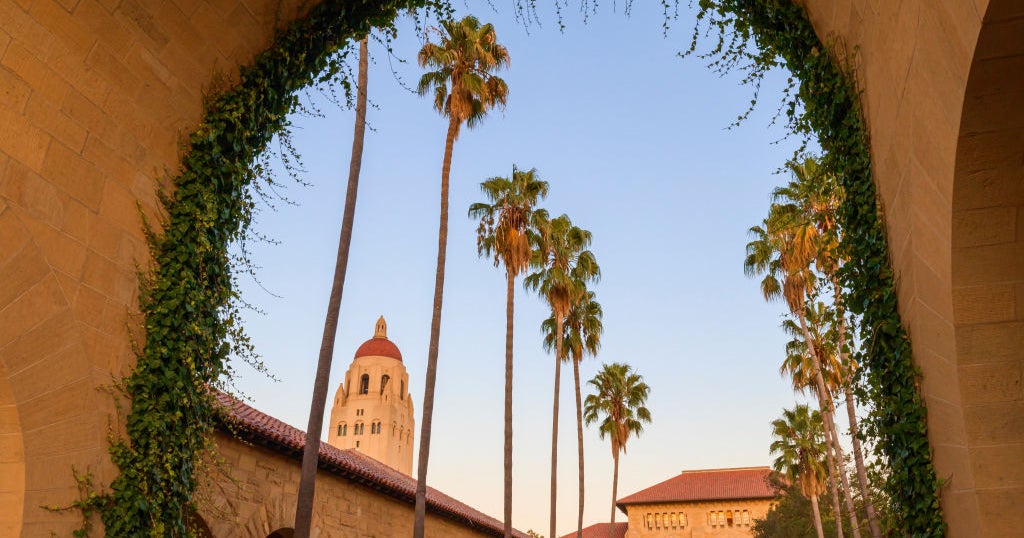
A federal judge in San Jose, California, ruled on Friday that the U.S. government cannot deport noncitizens for criticizing Israel or expressing support for Palestinians. Judge Noël Wise found that the Trump administration's efforts to revoke visas and deport noncitizens based on their speech violated the First and Fifth Amendments of the Constitution. The ruling originated from a lawsuit brought by the Foundation for Individual Rights and Expression (FIRE) involving The Stanford Daily, the student newspaper at Stanford University, which argued that its international student reporters feared deportation for their work.
The decision follows a similar ruling by a U.S. district judge in Boston approximately one year ago. That court also found that the administration violated constitutional protections by targeting noncitizens for deportation based on their support for Palestinians or criticism of Israel. Judge Wise's ruling struck down portions of federal deportation provisions, citing flaws related to free speech and legal vagueness. The judge stated that noncitizens possess the same First Amendment rights as citizens and should not have to guess what speech is permitted under shifting foreign policy.
In the written opinion, Judge Wise noted that immigration authorities engaged in retaliation in March 2025 against individuals who expressed opinions critical of Israel's actions or in support of Palestinians. The judge also cited instances of government retaliation against those who criticized Turning Point USA co-founder Charlie Kirk following his assassination in September. The court found that these actions created a "chilling message" that led noncitizen students at The Stanford Daily to quit their positions, request anonymity, or withhold articles from publication to avoid legal consequences.
For the affected individuals, the concrete day-to-day change is the removal of the specific threat of deportation as a consequence for political expression. According to George Porteous, editor-in-chief of The Stanford Daily, student reporters will no longer have to fear that writing a news story will result in their removal from the country. The ruling establishes a legal barrier against using immigration status as a tool for speech regulation, asserting that the government's discretion over foreign policy and immigration does not supersede the requirement that laws be clear enough for ordinary people to understand what is prohibited.
The ruling sets a precedent that may limit the federal government's ability to use visa revocations as a retaliatory measure for domestic speech. It reinforces the standard that constitutional protections for speech and due process apply to all persons within the U.S., regardless of citizenship status. As of Saturday, the Justice Department had not responded to requests for comment. The federal government has the option to appeal the decision to a higher court.