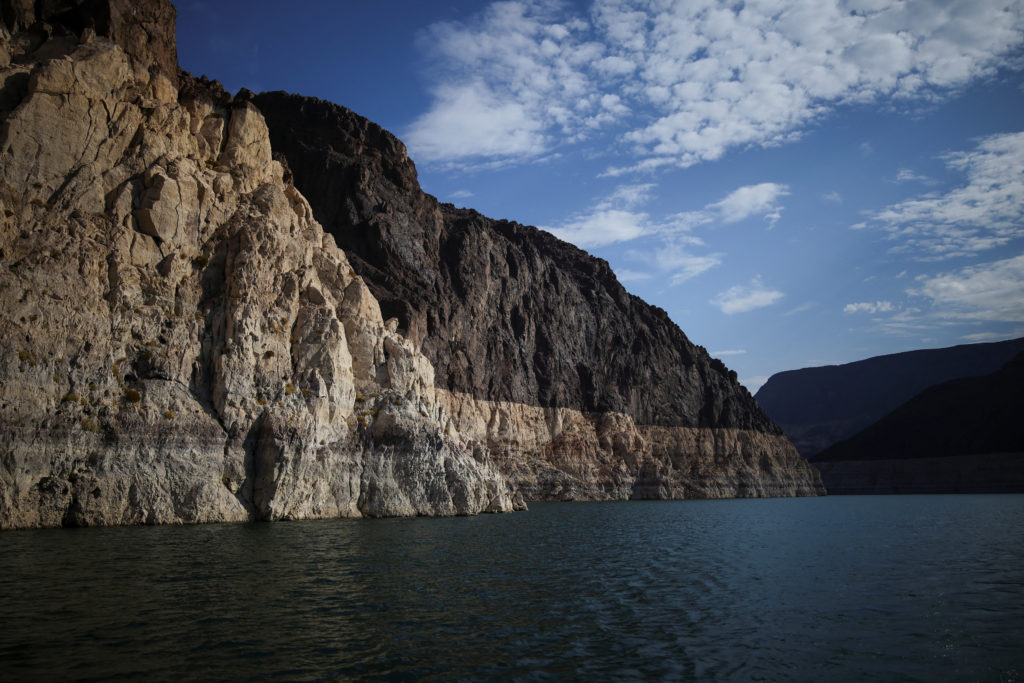
Federal officials on Friday announced a two-year plan to reduce water usage from the Colorado River for three Western states. Under the plan, California, Nevada, and Arizona will collectively cut their water intake by 1.25 million acre-feet annually through 2028. Mexico will also reduce its water usage by 250,000 acre-feet per year as part of a treaty with the United States.
The Bureau of Reclamation, the federal agency managing the water, introduced the plan following a 26-year drought that has depleted the nation's two largest reservoirs, Lake Mead and Lake Powell. Officials reported that the basin recently experienced its lowest snowpack on record, leading to the lowest combined storage levels in the reservoirs in nearly seven decades. Existing rules for the river's water use are scheduled to expire in October.
Arizona will face the largest share of the reductions, while the "Upper Basin" states—Colorado, Utah, Wyoming, and New Mexico—are not required to make cuts at this time. Tom Buschatzke, director of the Arizona Department of Water Resources, stated the reductions provide stability for the next two years while states continue to negotiate a long-term agreement. JB Hamby, California’s lead negotiator, described the plan as a "bridge" to manage extraordinary risk rather than a permanent solution.
For residents in the affected states, the immediate impact may vary by location and local policy. In Southern Nevada, conservation advocates note that the water shortage has already stalled the development of new shopping malls and a proposed airport. Continued cuts are expected to slow real estate and commercial development in the Las Vegas metropolitan area. Beyond urban centers, the reduction in water availability will impact farmers, industrial users, and hydropower producers who depend on the flow of the river to generate electricity.
The reductions set a precedent for how the federal government and Western states manage water during periods of prolonged drought and rising temperatures. While the current plan provides a framework for the next two years, the seven basin states have not yet reached a consensus on how to share the river’s resources after 2028. The next major milestone occurs in October 2026, when the current operating rules expire, forcing further negotiations to establish a permanent management strategy for the river system.