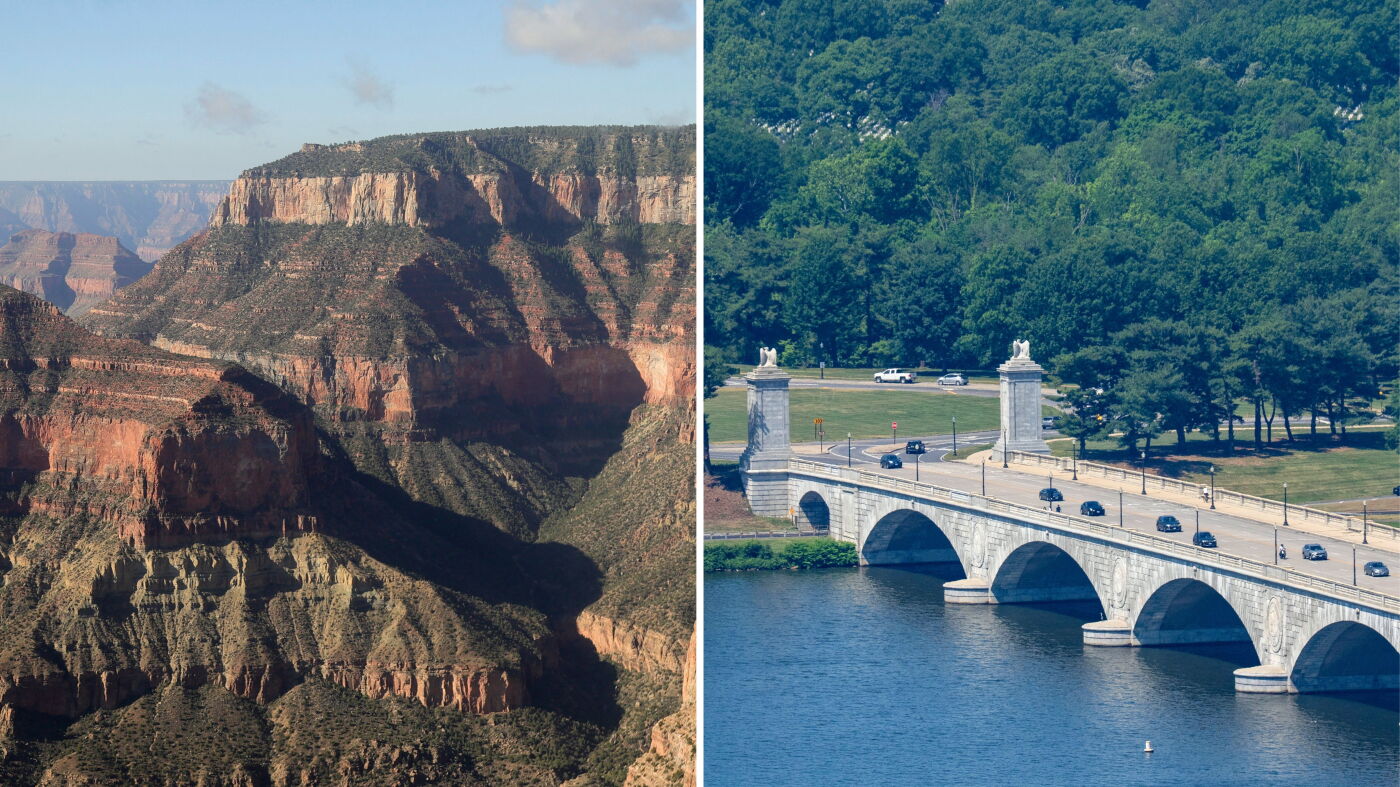
The National Historic Preservation Act (NHPA) faces two distinct efforts to modify its core review requirements as the law marks its 60th anniversary. A federal advisory body has voted to weaken specific regulations, while a bipartisan group of senators has introduced legislation to streamline the permitting process for infrastructure and energy projects. Historic preservation advocates and tribal leaders state these changes would significantly reduce public and tribal input on federal projects that affect historic sites.
The NHPA, signed into law on October 15, 1966, by President Lyndon B. Johnson, established the National Register of Historic Places and created the Section 106 review process. This process requires federal agencies to consult with states, tribes, and local stakeholders before beginning projects that could harm historic resources. Currently, more than 100,000 sites are protected under this framework. The National Trust for Historic Preservation reports that 98% of these reviews find no adverse effects, with the nationwide average review taking 16 days.
In July, the Advisory Council on Historic Preservation—a body where 20 of 24 members were appointed by President Trump—voted to alter Section 106 regulations. These changes would limit which properties qualify as historic, potentially excluding "significant landscape features" like the Grand Canyon, and would make public comment and tribal consultation optional. Separately, a bipartisan Senate permitting reform bill introduced in late September seeks to codify similar restrictions into law to accelerate project timelines.
The scale of the impact involves the more than 100,000 landmarks currently listed on the National Register of Historic Places. If the proposed statutory changes in the Senate bill pass, they would restrict legal remedies for violations and narrow the scope of historical analysis nationwide. Critics, including Greg Werkheiser of Cultural Heritage Partners, argue that by removing early consultation, the bill may actually increase litigation and project delays rather than reduce them. The National Trust for Historic Preservation has responded by launching a legal defense fund with an initial $10 million goal to contest these changes in court.
The immediate next steps depend on the federal rulemaking process and the legislative calendar. The Advisory Council on Historic Preservation is scheduled to meet on Nov. 10, though a mandatory 30-day public comment period on the regulatory changes has not yet opened. Meanwhile, the U.S. Senate is scheduled to consider the permitting reform bill when it returns from recess on Nov. 9. If the bill passes, the new metrics for state and tribal officials and the narrowed review definitions would become federal law, likely leading to court challenges to define terms the bill currently leaves unspecified.
According to Valerie Grussing of the National Association of Tribal Historic Preservation Officers, these dual actions represent a significant setback for tribal perspectives. Conversely, sponsors of the Senate bill state the reforms are necessary to deliver cheaper energy and jobs through responsible growth. Brent Leggs of the National Trust for Historic Preservation characterized the current situation as a divestment of federal responsibility for public-private preservation partnerships.