The Plain Record

Neutral daily news — clear headlines, complete facts.

Legal

Federal Prosecutors Consider Charges Against ICE Officer in Minnesota Shooting

The Justice Department is reviewing potential civil rights and false statement charges against Christian Castro following a January shooting in Minneapolis.

Published August 25, 2026 at 3:05 PM EDT

The short answer

The Justice Department is reviewing potential civil rights and false statement charges against Christian Castro following a January shooting in Minneapolis. Federal prosecutors are considering criminal charges against Christian Castro, an Immigration and Customs Enforcement (ICE) officer accused of shooting a Venezuelan immigrant in January.

Federal Prosecutors Consider Charges Against ICE Officer in Minnesota Shooting

The Facts

Who
ICE officer Christian Castro, the Department of Justice, Minnesota Attorney General Keith Ellison, and Texas Governor Greg Abbott.
What
Federal prosecutors are deliberating over whether to bring criminal civil rights and false statement charges against an ICE officer involved in a January shooting.
When
Following state charges filed in May and a subsequent extradition dispute between Minnesota and Texas.
Where
Minneapolis, Minnesota and Cameron County, Texas
Why
To address allegations of excessive force and false testimony by a federal officer during an enforcement operation.

Timeline of what happened

Key dates and decisions, in the order they occurred.

  1. January 2024

    Shooting incident occurs in Minneapolis during immigration surge

  2. February 2024

    DOJ drops charges against two immigrants citing inconsistent evidence

  3. April 2024

    Second ICE officer charged in unrelated Minneapolis highway assault

  4. May 2024

    Local prosecutors charge Castro with assault and false reporting

Federal prosecutors are considering criminal charges against Christian Castro, an Immigration and Customs Enforcement (ICE) officer accused of shooting a Venezuelan immigrant in January. According to sources familiar with the deliberations, the Justice Department is exploring charges related to civil rights violations and making false statements to the government. Castro was previously charged by Minnesota local prosecutors in May with four counts of second-degree assault and one count of falsely reporting a crime.

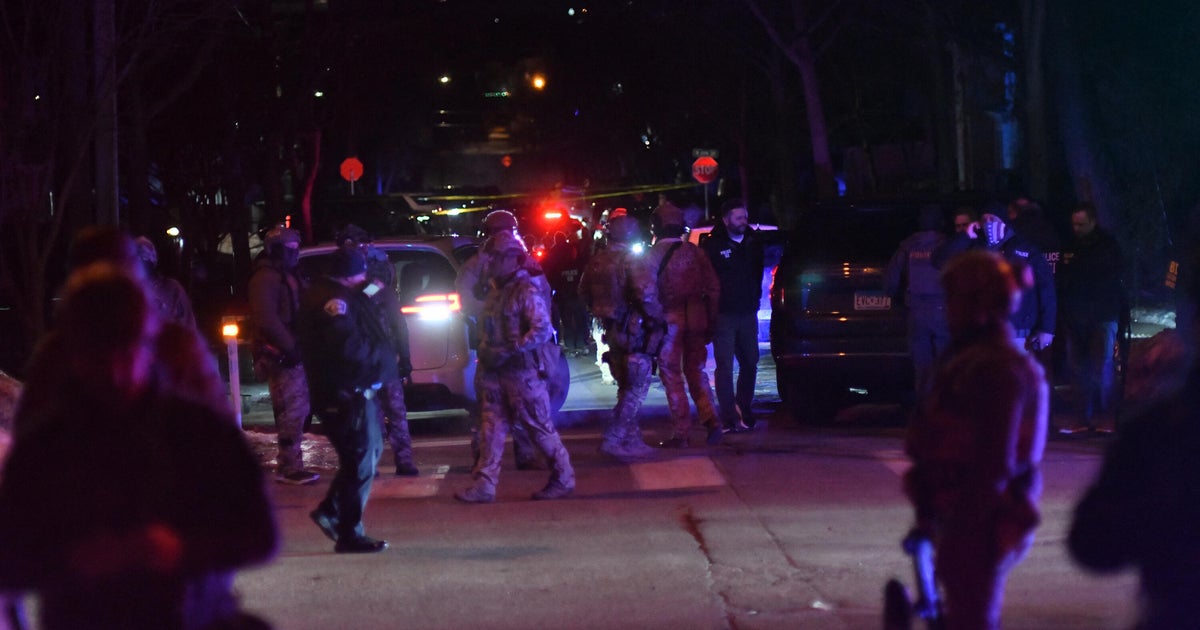
The shooting occurred in Minneapolis during a federal immigration surge. Initially, federal authorities charged two men, Alfredo Alejandro Aljorna and Julio Cesar Sosa-Celis, with assaulting federal officers. However, those charges were dismissed with prejudice in February after the Justice Department cited "newly discovered evidence" that was "materially inconsistent" with the original allegations. Video evidence later led ICE to place Castro and another officer on administrative leave for allegedly providing "untruthful statements" in sworn testimony.

The case has triggered a legal dispute between Minnesota and Texas. Castro was arrested in Texas, but Governor Greg Abbott has refused to extradite him to face the state charges in Minnesota. Last week, Minnesota Attorney General Keith Ellison filed a lawsuit against Abbott, arguing the refusal to extradite is unlawful. Castro remains in custody in Cameron County, Texas, pending a federal court hearing on his extradition status.

For individuals, the outcome of these proceedings establishes how federal "color of law" protections apply when an officer is accused of using excessive force or lying to investigators. A person in a similar situation would notice changes in how their constitutional rights are protected during interactions with federal agents, particularly regarding whether officers face criminal penalties for providing false testimony. The case also tests the limits of gubernatorial authority to block the transfer of a defendant from one state to another for trial.

The knock-on effects include potential changes to how ICE conducts "targeted traffic stops" and internal review procedures for officer-involved shootings. If federal civil rights charges are filed, it sets a precedent for federal oversight of agency misconduct that contradicts state-level legal maneuvers. What happens next depends on a federal court hearing scheduled for Tuesday in Texas to determine if Castro will be moved to Minnesota. Additionally, the Justice Department’s ongoing review will determine if federal indictments are issued under statutes governing false statements and civil rights.

Summaries are written by The Plain Record to state the facts of a story plainly and without political slant. See our editorial standards, or report a correction.

← Back to the front page

Questions readers ask

What happened: Federal Prosecutors Consider Charges Against ICE Officer in Minnesota Shooting?

Federal prosecutors are deliberating over whether to bring criminal civil rights and false statement charges against an ICE officer involved in a January shooting.

Who is involved?

ICE officer Christian Castro, the Department of Justice, Minnesota Attorney General Keith Ellison, and Texas Governor Greg Abbott.

When did this happen?

Following state charges filed in May and a subsequent extradition dispute between Minnesota and Texas.

Where did this happen?

Minneapolis, Minnesota and Cameron County, Texas

Why does this matter?

To address allegations of excessive force and false testimony by a federal officer during an enforcement operation.