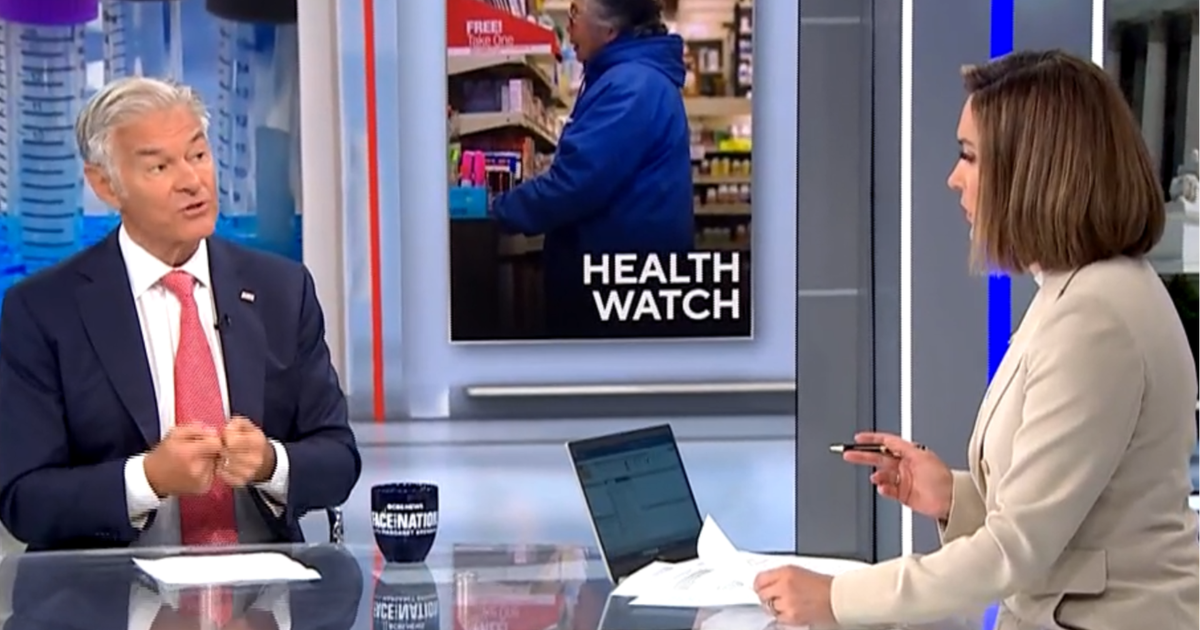
In a televised interview, Minneapolis Federal Reserve President Neel Kashkari and Centers for Medicare & Medicaid Services (CMS) Administrator Dr. Mehmet Oz addressed rising national debt and healthcare costs. The discussion followed reports that the U.S. national debt reached $40 trillion last week. Kashkari noted that while 10-year Treasury yields have reached 4.7 percent, he does not currently see signs of market dysfunction, attributing the rates to factors such as economic growth, investment in artificial intelligence, and government borrowing.
The economic outlook is further complicated by new trade tensions with Canada and the ongoing conflict involving Iran. The U.S. moved to raise tariffs on various Canadian goods, including building materials and agricultural equipment, leading Canadian Prime Minister Mark Carney to announce retaliatory tariffs. Kashkari stated that while supply shocks like trade conflicts can extend inflation, the Federal Reserve remains committed to returning inflation to its 2 percent target, though he expressed concern that the timeline for reaching that goal continues to be delayed.
In the healthcare sector, Dr. Mehmet Oz reported a 3.1 percent year-over-year drop in drug prices, which he attributed to the "most favored nation" drug pricing policy. Under this approach, 17 major pharmaceutical companies have agreed to charge U.S. consumers prices comparable to those charged in overseas markets. Oz specifically highlighted that GLP-1 medications, used for weight loss and diabetes, have seen price reductions from over $1,000 a month to $50 a month for eligible Medicare beneficiaries.
The shift in drug pricing directly impacts the one-third of Americans who, according to Dr. Oz, have historically left pharmacies without their prescriptions due to high costs. A drop in prices for chronic-condition medications like GLP-1s could save eligible seniors approximately $950 per month, potentially reducing long-term costs associated with obesity-related illnesses such as diabetes and high blood pressure. However, these savings occur against a backdrop of looming insolvency for the Medicare trust fund, which trustees project could be unable to pay full benefits within seven years, potentially leading to an 11 percent cut in payments.
Looking ahead, the Treasury Department is expected to hold a press conference to detail plans for fiscal consolidation and potential financial measures against Iran. The Federal Reserve is scheduled to meet in Jackson Hole at the end of the week to discuss interest rate policy, with another formal meeting scheduled for next month. In trade, Canada’s retaliatory tariffs on steel, dairy, and electronics are expected to begin next week, which may impact prices for consumers and businesses in border states and beyond.