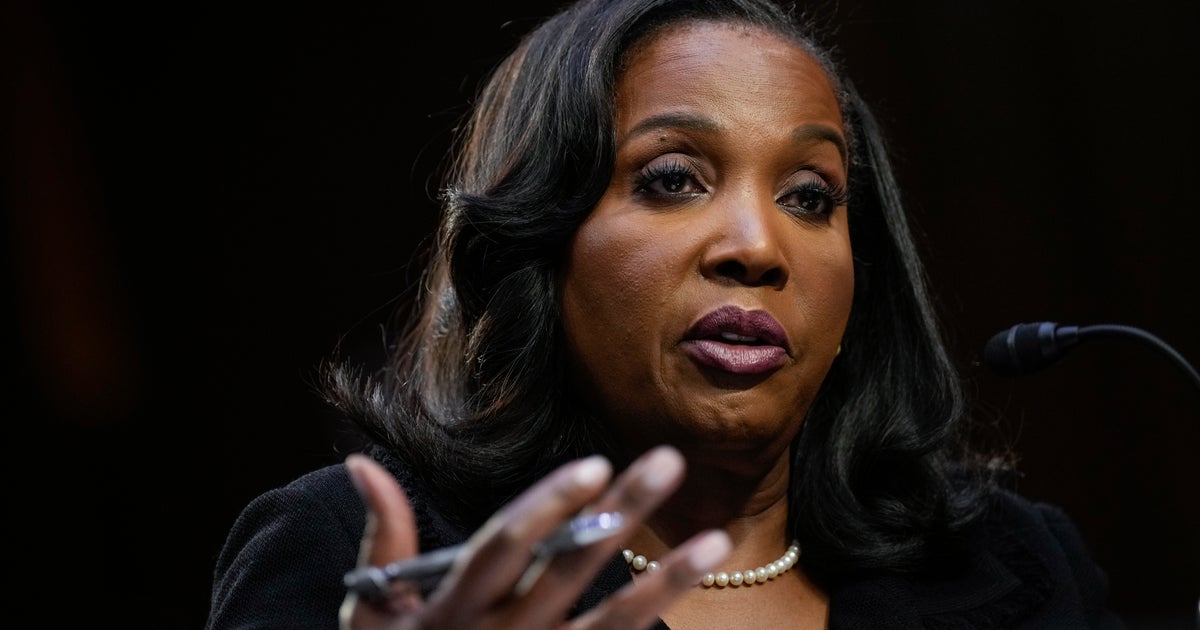
Federal Reserve Governor Lisa Cook, through her legal counsel, has formally denied allegations of mortgage fraud leveled by the Trump administration. In a letter dated Wednesday, attorney Abbe Lowell stated that Cook has never committed intentional wrongdoing and argued there is no legal basis for her removal from the Federal Reserve Board. The response follows a White House notice indicating the president was considering firing her based on claims that she misrepresented her primary residence on financial documents.
The dispute stems from allegations made by Bill Pulte, head of the Federal Housing Finance Agency, concerning properties Cook purchased in Michigan and Georgia before her confirmation to the Fed. The administration first attempted to remove Cook last year, but the move was challenged in court. In June, the Supreme Court ruled 5-4 that Cook could remain in her position while the case proceeded, stating she was entitled to notice and an opportunity to respond to the allegations before termination.
The White House formal notice, sent on August 5, detailed two primary claims: that Cook signed mortgage agreements listing both an Atlanta condominium and an Ann Arbor home as her "primary" residence, and that she failed to disclose rental income from the Atlanta property. White House deputy chief of staff Dan Scavino stated the allegations reflect on Cook's "honesty, trustworthiness, and competence," providing the "for cause" justification required by federal law to remove a Fed governor.
In the rebuttal, Lowell described the "primary" residence classification on the Atlanta mortgage as an "inadvertent oversight" on a form provided by the lender. He stated that Cook had informed the lender the property was a "second home" and that the lender maintained the discretion to classify it. Regarding the rental income, Lowell stated that while Cook briefly listed the condo for rent, she never actually rented it, which he said explains the absence of rental income on her 2022 and 2023 financial disclosures.
For the American public and financial markets, the stability of the Federal Reserve is tied to its perceived independence in setting interest rates and managing inflation. Critics cited in the report express concern that attempting to oust a sitting governor could allow the executive branch to exert more control over the central bank, which traditionally operates separately from the administration's immediate political goals. The outcome of this case will define the job security of federal officials in similar independent agencies who hold "for cause" protections.
The immediate next steps involve the lower courts, where Cook’s lawsuit challenging her removal continues. Her legal team, including Lowell and Norm Eisen, stated they are prepared to return to court to block any further attempts at termination. The White House had set an August 26 deadline for Cook's response; with that response now submitted, the administration must decide whether to proceed with a formal firing or drop the matter. No specific date for a final decision has been announced.