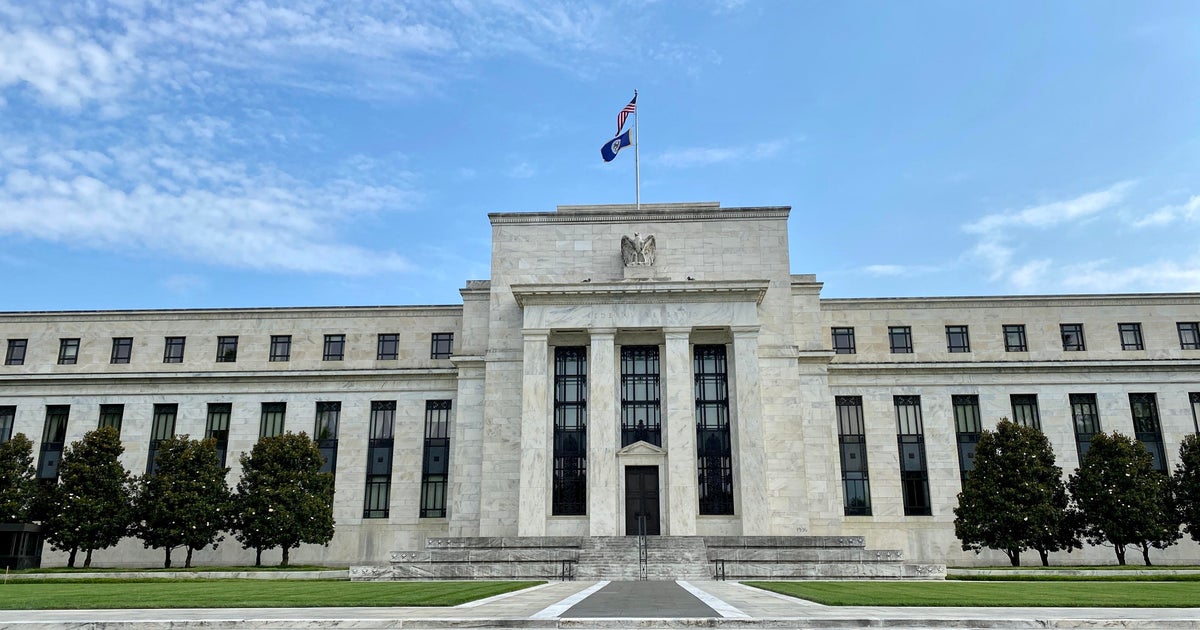
The Federal Reserve held interest rates steady on Wednesday, maintaining the federal funds rate at a target range of 3.75% to 4%. The decision follows a 25-basis-point increase in September, which marked the first time the central bank had raised borrowing costs in three years. While the Fed remained on hold this month, many economists anticipate that policymakers may implement another rate hike during their final meeting of the year in December.
Fed Chairman Kevin Warsh, who took over the role from Jerome Powell in May, has stated a commitment to bringing inflation down to a 2% target. However, current economic data shows inflation remains above that goal. In September, the Consumer Price Index (CPI) rose at a 3.7% annual rate, while core inflation—which excludes food and energy costs—rose 2.6% over the previous year. Economists attribute the persistent price pressures to solid economic growth, steady consumer spending, and elevated global energy costs resulting from the Iran war.
The Fed's benchmark rate serves as a tool to influence borrowing costs throughout the U.S. economy. While the central bank did not move rates this month, market analysts suggest consumers could still see shifts in financing costs. Matt Schulz, chief consumer finance analyst at LendingTree, noted that some loan rates might continue to rise as the holiday shopping season approaches. The decision also comes less than a week before the U.S. midterm elections, where affordability has been a central issue for voters.
In practical terms, a person will notice that the debt they accumulate during the holiday shopping season may become more expensive to pay off if the Fed chooses to raise rates again in December. Conversely, savers may benefit from the current environment, with high-yield savings accounts, money market accounts, and certificates of deposit (CDs) offering returns between 3% and 4%. The housing market remains stuck as current homeowners with older mortgage rates of 3% or 4% are less likely to sell, as a new 30-year fixed-rate mortgage now approaches 7%, making homeownership a luxury expense for many.
The Fed's actions also have knock-on effects for broader economic stability and future policy. Higher interest rates are intended to cool inflation, but they do not directly lower costs driven by external factors like the Iran war or service-related inflation in child care and college tuition. Furthermore, many individuals are expected to lose Medicaid coverage in the coming months. While President Trump has urged the central bank to ease borrowing costs, the Fed's next scheduled opportunity to adjust rates will be at its December meeting. Decisions on further hikes will depend on whether inflation trends toward the 2% target.