The Federal Reserve is scheduled to meet to decide whether to adjust interest rates following a quarter-percentage-point increase in September 2026. Most economists and Wall Street analysts expect the Federal Open Market Committee (FOMC) to leave the benchmark federal funds rate unchanged at a target range of 3.75% to 4.0% when the policy statement is released at 2 p.m. ET on Wednesday.
The decision comes amid elevated inflation and strength in the domestic economy, including job gains and low unemployment. In September, the Labor Department reported that headline consumer inflation rose at a 3.7% annual rate, while core inflation rose 2.6%. The Federal Reserve maintains a long-term annual inflation target of 2%.
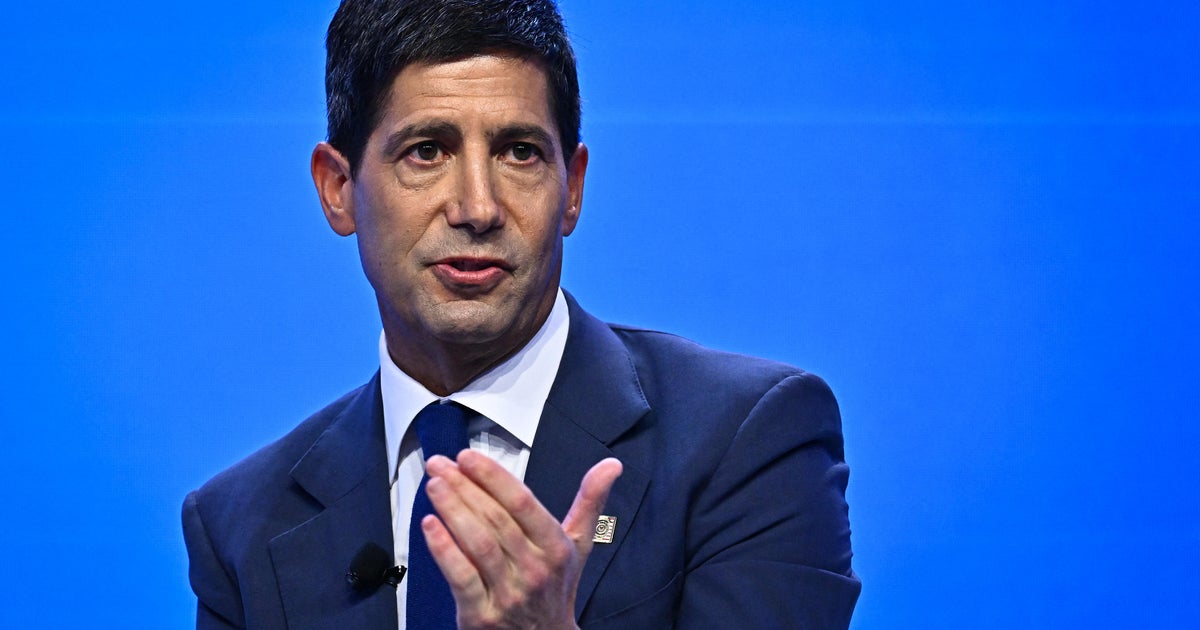
Fed Chairman Kevin Warsh will hold a press conference following the rate announcement. While the committee voted 12-0 to raise rates in September—the first such increase in three years—policymakers have expressed varying views on the next steps. New York Fed President John Williams stated in September that there was "no need for urgency" to lift borrowing costs further, while Chairman Warsh has cited "geopolitical developments" as a factor in the September decision.
The federal funds rate determines what banks charge each other for overnight loans, influencing the rates consumers see on credit cards and auto loans. While traders see an 88% probability that the Fed will hold rates steady at this meeting, the central bank’s projections show that 16 of 18 participating officials expect at least one more rate increase before the end of 2026. According to CME Group's Fed Watch tool, investors see a 71% probability of a rate hike in December.
These policy shifts coincide with broader economic factors, including the potential impact of artificial intelligence and energy price fluctuations. The Fed does not expect to reach its 2% inflation target until 2029, though it forecasts headline inflation to drop to 2.3% by 2027. Following the rate announcement on Wednesday, the next meeting is scheduled for Dec. 8-9.