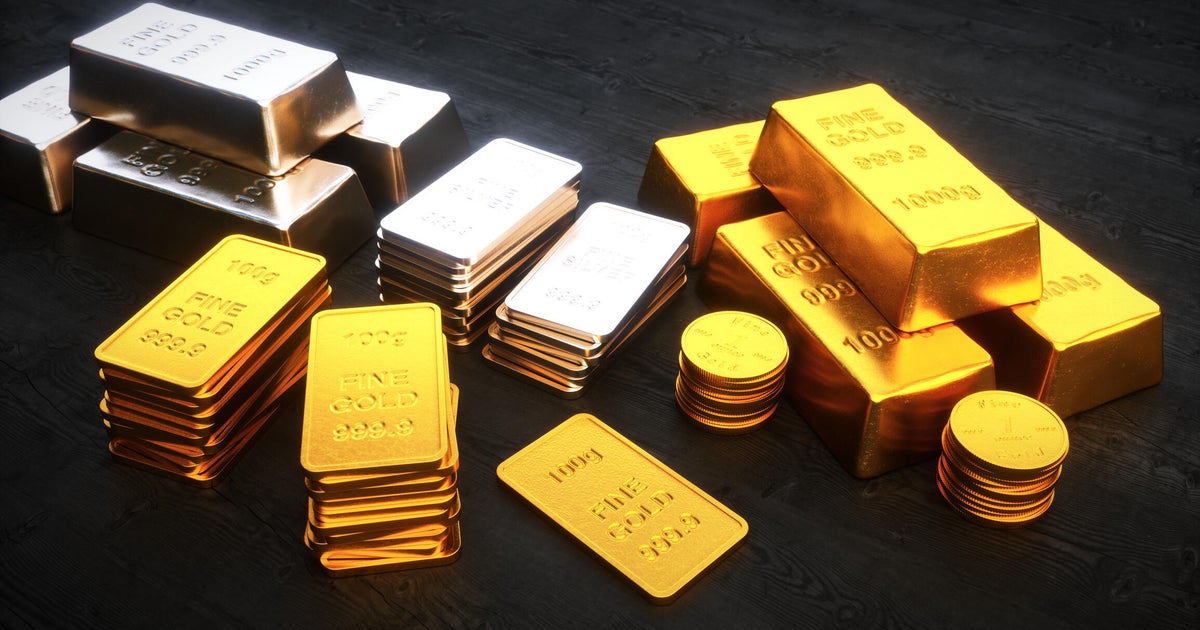
The Federal Reserve is scheduled to meet on September 15 and 16 to determine whether to raise interest rates in response to persistent inflation. The potential for a rate hike has created price volatility for gold and silver, which are often sensitive to changes in monetary policy. Investors are monitoring the central bank's decision as it could shift capital toward interest-bearing assets like bonds.
Gold and silver prices have already seen significant fluctuations throughout 2026. Gold reached a record high exceeding $5,500 per ounce earlier this year before retreating to approximately $4,275 per ounce by mid-September. Silver prices have also experienced swings driven by changing expectations for the economy, inflation, and interest rates.
During its July meeting, the Federal Reserve maintained the benchmark federal funds rate at a range of 3.50% to 3.75%, though three policymakers favored a quarter-point increase. Economic data from August showed the Consumer Price Index rose 0.4% for the month and 3.4% annually. While a rate hike typically pressures precious metals by strengthening the U.S. dollar and increasing the appeal of savings products, some analysts suggest the impact may already be reflected in current market prices.
For silver investors, the impact extends to the industrial sector, as the metal is a key component in manufacturing electronics and solar panels. A rate hike that slows global economic activity could reduce industrial demand, potentially lowering prices for silver further. Conversely, if inflation remains above the Fed's target or geopolitical uncertainty persists, some investors may continue to use these metals as a hedge, regardless of the interest rate environment. The actual change a person would notice in their financial statements depends on whether they are prioritized toward growth through interest or protection against currency weakness.
The Federal Reserve's decision sets a precedent for how the central bank will balance economic growth against its inflation targets for the remainder of 2026. Beyond the immediate rate announcement, the specific language used by policymakers regarding future hikes will influence Treasury yields and dollar strength. Following the September 15-16 meeting, market participants will look to subsequent inflation reports to determine if further tightening is necessary, which would continue to influence the day-to-day costs of borrowing and the relative value of non-yielding assets.
What happens next: The Federal Reserve will announce its interest rate decision following the conclusion of its two-day meeting on September 16. Investors will then wait for upcoming Consumer Price Index reports to gauge the trajectory of inflation and the likelihood of additional rate adjustments in the following months.