FIFA has canceled a proposal to sell a minority stake in the World Cup to private investors following opposition from regional football confederations and member associations. The plan, known as FIFA Forward Enterprise (FFE), involved a consortium of investors led by Thrive Eternal, an investment arm of the New York-based venture capital firm Thrive Capital. The proposal faced criticism from officials and fans, leading to calls for FIFA President Gianni Infantino to resign and threats of tournament boycotts.
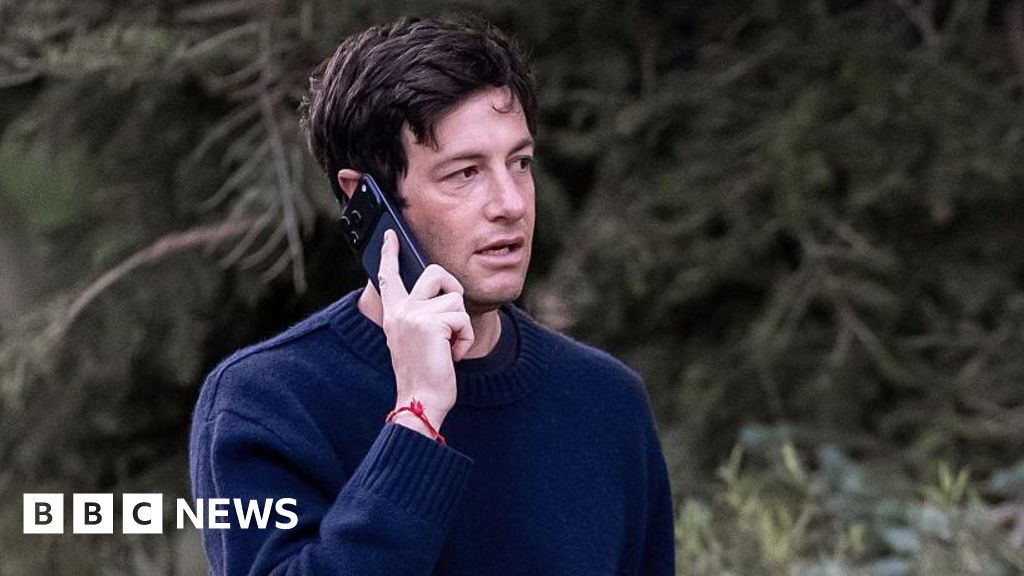
The investment strategy was developed by Thrive Eternal, a firm managed by Joshua Kushner that focuses on assets believed to be resistant to displacement by artificial intelligence (AI). The firm, which is also a backer of OpenAI, launched Thrive Eternal in April to invest in "cultural institutions rooted in tradition" that cannot be replicated by technology. Investors reportedly planned an initial $4.2 billion investment in the World Cup, viewing the tournament as a long-term asset with a $20 billion valuation.
Under the proposed terms, FIFA would have retained control of the equity, but the investment would have provided each of the 211 member associations with a stake worth approximately $91 million. Proponents of the deal, including a source close to Thrive Eternal, stated the funds were intended to improve infrastructure such as stadiums and training facilities in countries that lack access to traditional outside funding. Former Disney CEO Bob Iger served as an adviser on the proposal, which had been under discussion since last year.
Opposition to the plan intensified in late July when UEFA, the governing body for European football, stated the sport was "not FIFA's to sell." Following this, the 55 member associations of UEFA and the 41 member associations of Concacaf rejected the proposal. Internal friction also emerged within FIFA, as Chief Operating Officer Kevin Lamour stated the administration had been "deceived" about the project, and senior adviser Carlos Cordeiro resigned, describing the plan as a "bad deal" that would mortgage the sport's future.
The scale of the transaction involved a $4.2 billion cash injection based on a $20 billion valuation of the World Cup. For an individual member association, the $91 million equity stake would have represented a significant increase in capital for long-term projects. However, the proposed changes to the tournament's commercial structure—such as increased teams and potential new advertising formats—would have likely impacted broadcast rights and ticket pricing for future World Cups, including the 2026 event hosted by the U.S., Canada, and Mexico.
The fallout has set a precedent for how global sports governing bodies interact with private equity and Silicon Valley investors. While FIFA argued the World Cup is currently "under-monetised," financial experts like Christina Philippou noted that FIFA already possesses sufficient reserves to increase payouts without external investment. The rejection of the deal by UEFA and Concacaf highlights a significant limit on the power of FIFA’s leadership to unilaterally commercialize international competitions. Moving forward, UEFA has threatened legal action, and several national associations, including the English FA and Wales, have withdrawn their support for Infantino’s leadership. The next major milestone will be a full review of FIFA’s governance requested by Concacaf.