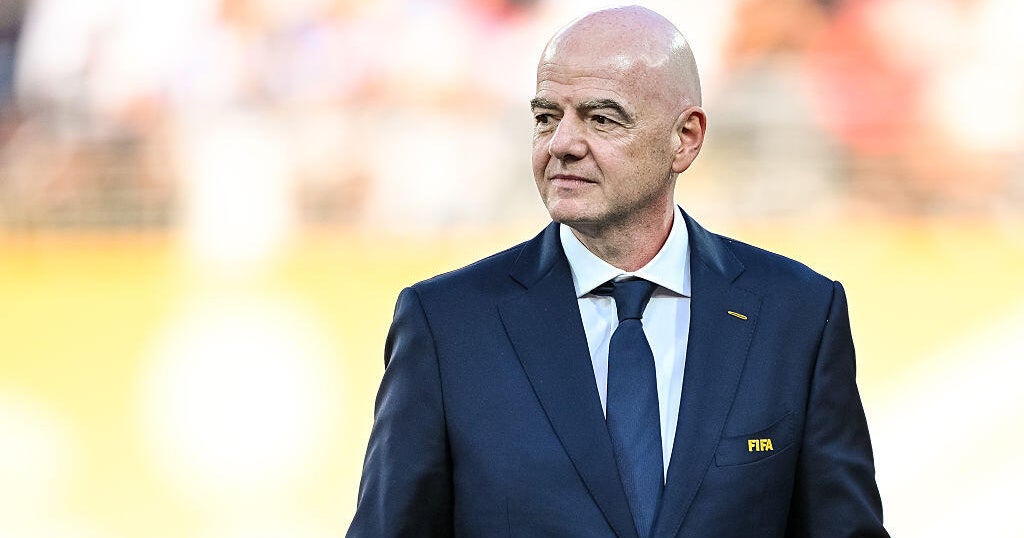
FIFA President Gianni Infantino announced Friday that the organization is shelving a proposal to sell a 20% stake in World Cup commercial rights to private investors. The decision follows a week of public opposition from regional soccer confederations and the resignation of a senior advisor to the president. Infantino stated that while the project was intended to strengthen member associations, it had created divisions that made the plan no longer viable.
The proposal, known as FIFA Forward Enterprise (FFE), was first reported by The Times of London earlier this week. Under the plan, FIFA would have established a new commercial and operations entity valued at $20 billion. A private investor group was expected to purchase a 20% share for $4.2 billion, while FIFA would maintain 80% ownership and control. The venture firm Thrive Eternal, led by Joshua Kushner, was identified as the expected lead investor.
Opposition to the plan was led by UEFA, the governing body for European soccer, which threatened a boycott of the World Cup if the deal proceeded. CONCACAF, representing North and Central America, also rejected the proposal, citing the profitability of the most recent World Cup. On Friday, Carlos Cordeiro, a senior adviser to Infantino, resigned in protest of the plan. Representatives for Thrive Capital stated that criticism of the firm was based on inaccurate assumptions regarding political affiliations, noting that Joshua Kushner has no role in the U.S. administration.
The scale of the deal, at $4.2 billion for a minority stake, would have been one of the largest private equity entries into global sports history. The $20 billion valuation of the World Cup's commercial rights reflects the high market demand for live sports content. Had the deal moved forward, a private entity would have held a fiduciary interest in the World Cup's operations for the first time in the tournament's 94-year history. This would have shifted the financial structure of the world's most-watched sporting event, potentially impacting how media rights are sold and how future tournaments are hosted and managed.
The immediate outcome of this reversal is the removal of a boycott threat from UEFA, which includes major soccer powers like France, Germany, and England. A boycott by these nations would have significantly decreased the commercial value and competitive stature of the tournament. The incident sets a precedent regarding the limits of the FIFA presidency’s power to negotiate commercial deals without the prior consensus of regional confederations. While the FFE project is currently abandoned, FIFA has not yet announced an alternative plan to generate the increased funding levels that were promised to member associations under the $20 million target. No further votes on this specific investment structure are currently scheduled.