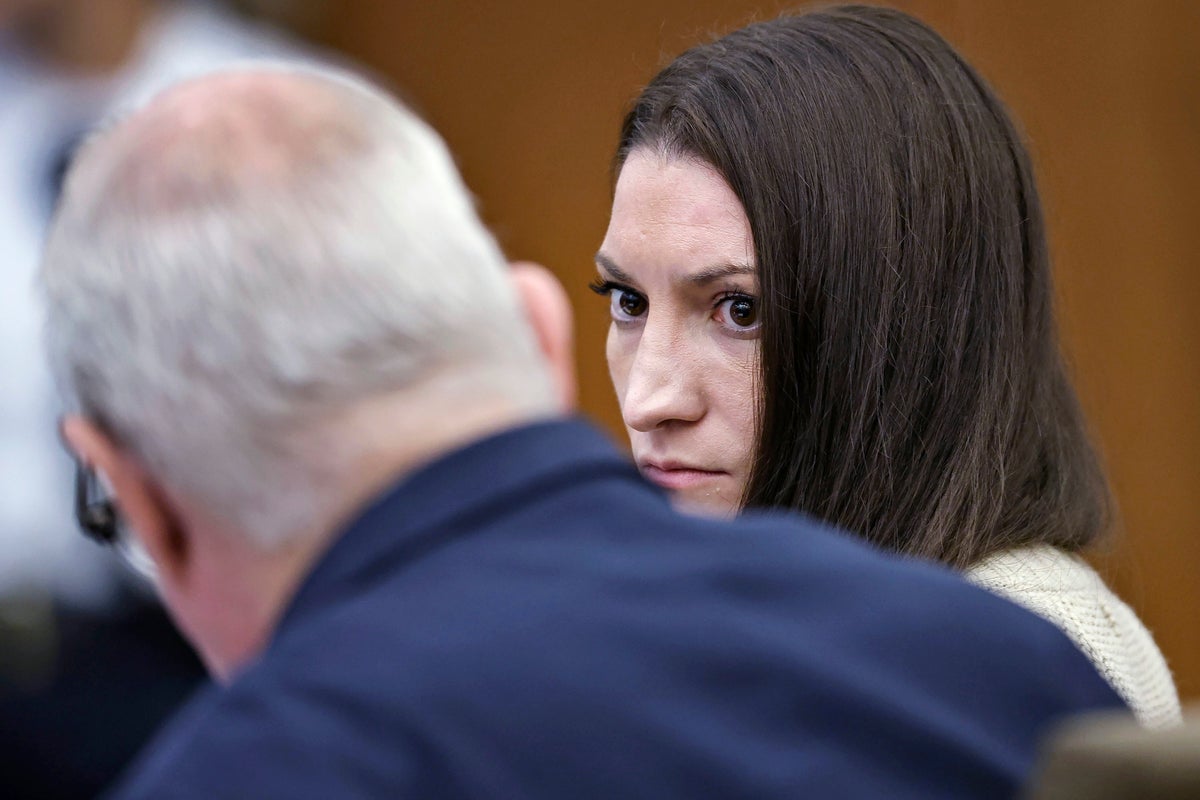
The murder trial of Lindsay Clancy is expected to hear from its final witnesses on Tuesday, following nearly a month of testimony concerning the defendant’s mental state at the time she killed her three children. The proceedings focus on whether Clancy, a 36-year-old former labor and delivery nurse, was experiencing acute psychosis when she strangled 8-month-old Callan, 3-year-old Dawson, and 5-year-old Cora at their home in January 2023. Clancy has pleaded not guilty to murder charges, while her defense attorney, Kevin Reddington, argues she should not be held criminally responsible due to her mental condition.
The trial resumed Tuesday with the defense questioning forensic psychologist Kirk Heilbrun, a prosecution expert who testified that he did not believe Clancy was in a state of acute psychosis during the event. Heilbrun diagnosed Clancy with bipolar 2 disorder but concluded that she likely understood her actions were wrong. He disputed Clancy's claim of hearing a "command hallucination," stating that such an isolated experience during the specific period of the killings would be "very, very unusual."
Previous testimony from another prosecution expert, Dr. Avram Mack, stated there was no evidence of mania or psychosis leading up to the deaths. In contrast, defense experts have presented a different assessment. Dr. Phillip Resnick testified that Clancy was "clearly psychotic" and unable to control her actions, while psychologist Paul Zeizel testified that she had "no appreciation for the wrongfulness of her act." Prosecutors have argued the acts were planned, citing evidence that Clancy sent her husband out for food and medicine before the children were killed.
The scale of the case is reflected in the nearly month-long testimony involving multiple high-level forensic experts and the deaths of three children under the age of six. Jurors must weigh the conflicting diagnoses of four different psychiatric professionals to determine if Clancy’s bipolar 2 disorder rose to the level of legal insanity. This decision will set a specific legal precedent regarding how rare conditions like postpartum psychosis are handled within the state's criminal justice system.
A verdict is expected to follow closing arguments, which could begin as early as Wednesday. If the jury reaches a decision this week, it will conclude a legal process that began shortly after the January 2023 incident. The case has also highlighted the availability of mental health resources, as evidence showed Clancy had sought help from multiple providers and admitted herself to a psychiatric hospital in the months preceding the deaths. Closing arguments and jury deliberations are the next scheduled steps.