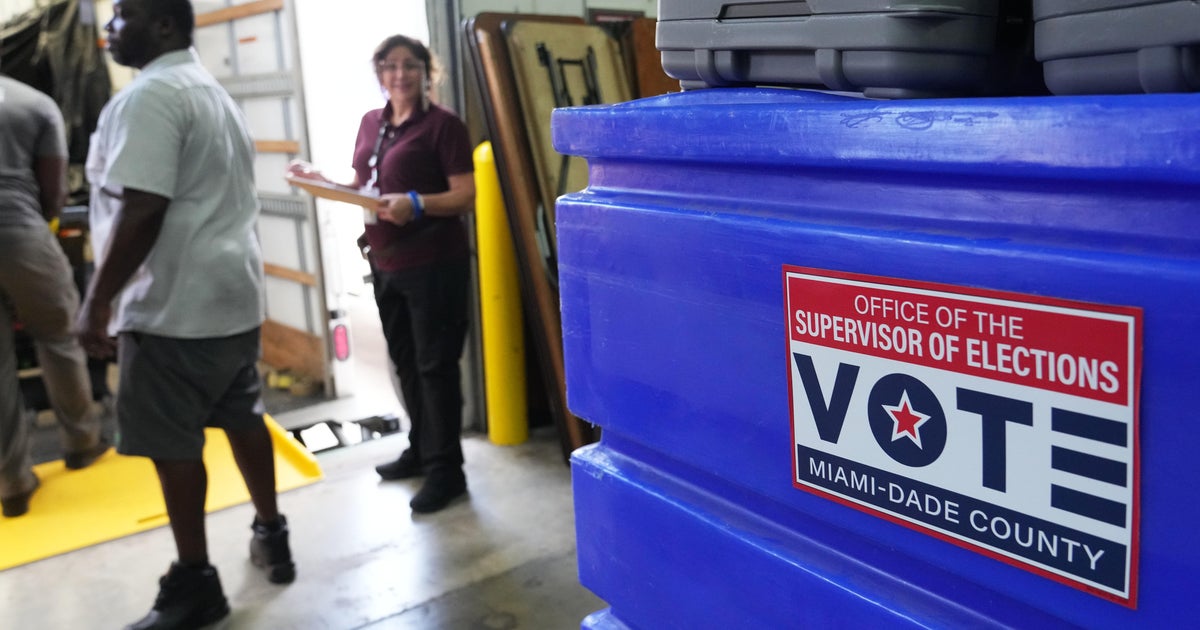
Voters in Florida, Alaska, and Wyoming are participating in primary elections on Tuesday to select party nominees for governorships, the U.S. Senate, and the U.S. House of Representatives. In Florida, the governor’s race is an open contest to succeed Republican Governor Ron DeSantis, who is term-limited. The state is also holding its first elections under a new congressional map pushed by DeSantis that favors Republicans in 24 of the state's 28 districts.
The Florida gubernatorial primary features 11 Republicans, led by U.S. Representative Byron Donalds, who has raised $90 million and received the endorsement of former President Donald Trump. His primary challengers include Lieutenant Governor Jay Collins and James Fishback. On the Democratic side, six candidates are seeking the nomination, with former Republican Representative David Jolly identified as the front-runner.
In Florida's Senate race, incumbent Senator Ashley Moody, who was appointed by DeSantis to fill the seat vacated by Marco Rubio, is seeking to serve the remainder of the term. She faces three Republican challengers. The Democratic primary for the seat features Alex Vindman, a retired lieutenant colonel and former National Security Council official, and State Representative Angie Nixon. Several House races are also being contested, including a vacancy in the 20th District where former Representative Sheila Cherfilus-McCormick is running to regain her seat after resigning earlier this year.
In Alaska, incumbent Republican Senator Dan Sullivan is running for reelection in a nonpartisan top-four primary against 12 challengers, including former Representative Mary Peltola and a candidate also named Daniel J. Sullivan. The Alaska Supreme Court ruled that the second Daniel J. Sullivan could remain on the ballot. In Wyoming, the retirement of Republican Senator Cynthia Lummis has created an open seat, with Representative Harriet Hageman running for the GOP nomination with the backing of Donald Trump.
The scale of campaign spending highlights the high stakes of these contests. In the Florida governor’s race alone, Rep. Byron Donalds has raised $90 million, while in the Alaska Senate race, Mary Peltola has raised over $18 million compared to incumbent Sen. Dan Sullivan’s $11 million. These totals represent tens of millions of dollars aimed at influencing voter choice. For an individual voter, these outcomes will eventually translate into concrete changes in state laws, tax policies, and federal representation starting after the general election in November.
The elections also set precedents for party dynamics and election law. Alaska’s top-four nonpartisan primary allows voters to see a broad field of candidates before the general election, while Florida’s redrawn map tests the limits of redistricting following changes to the Voting Rights Act. What happens next depends on Tuesday's results: the top four finishers in Alaska will move to the general election, while in Florida and Wyoming, party nominees will be finalized to compete for their respective seats in November.