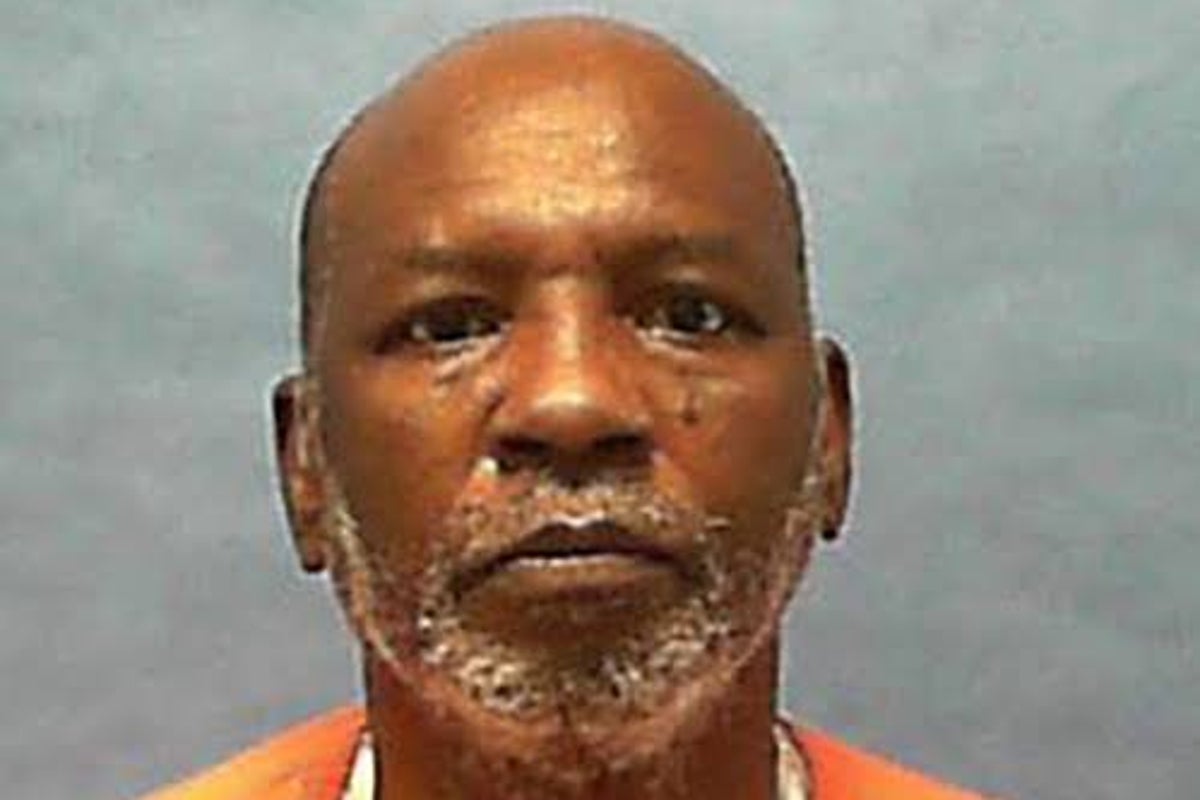
The state of Florida executed 77-year-old William Reaves on Tuesday, October 20, 2026, for the 1986 murder of a sheriff’s deputy. Reaves was pronounced dead at 6:12 p.m. at Florida State Prison following a three-drug lethal injection. His execution followed a final appeal rejection by the U.S. Supreme Court earlier that afternoon.
The case originated on September 23, 1986, when Indian River County Sheriff's Deputy Richard Raczkoski responded to a 911 call placed by Reaves at a convenience store. According to court records, a gun fell from Reaves' clothing during the encounter, leading to a struggle. Officials stated Reaves regained control of the weapon and shot Raczkoski four times as the deputy attempted to run away. Reaves was first sentenced to death in 1987, but the Florida Supreme Court ordered a new trial due to a prosecutor's conflict of interest; he was convicted and sentenced to death again in 1992.
Before the execution, Reaves' attorneys argued that he suffered from post-traumatic stress disorder (PTSD) stemming from his service as an Army veteran in the Vietnam War. They noted the U.S. Department of Veterans Affairs had rated him 100% disabled by the condition. On Monday, October 19, 2026, more than 100 veterans sent a letter to Governor Ron DeSantis requesting a stay. The Florida Supreme Court had previously rejected challenges to the state's lethal injection protocol, which uses a sedative, a paralytic, and a drug to stop the heart.
For the public and legal observers, the scale of Florida's activity is marked by the state reaching 18 executions in 2026, one shy of the record 19 executions set in 2025. In July 2026, the state became the first in nearly a decade to execute two prisoners in a single day. The cost and duration of these cases are significant; Reaves remained on death row for 40 years before his sentence was carried out, a timeframe his brother and law enforcement officials highlighted as a decades-long wait for closure.
The precedent set by recent rulings suggests Florida courts will continue to uphold the three-drug lethal injection method and reject age-based appeals regarding cognitive decline. The next scheduled execution in the state is Jesse Guardado, 64, set for November 5, 2026. Additionally, a panel of three psychiatrists is currently evaluating 74-year-old William Lee Thompson to determine his competency for a future execution date after a doctor suggested he may have dementia. If the November execution proceeds, Florida will tie its 2025 record for the highest number of executions in a single year since 1976.