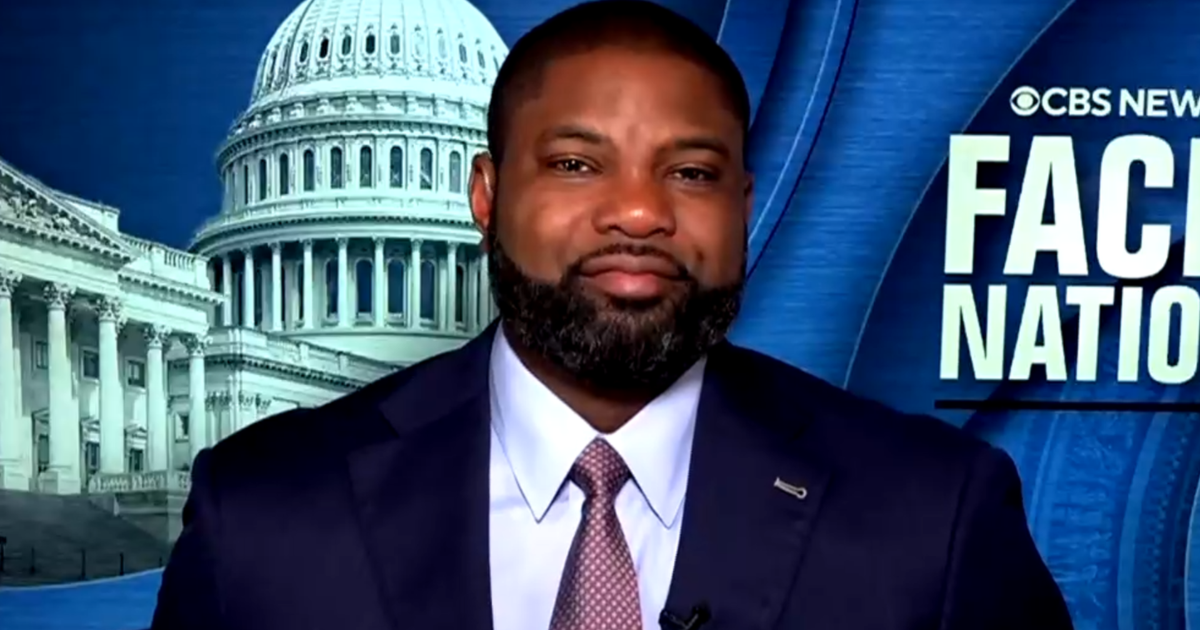
Rep. Byron Donalds (R-FL), the Republican nominee for Florida governor, stated on Sunday that he supports parental choice for childhood vaccinations and proposed a price transparency plan for healthcare services. During an interview on "Face the Nation," Donalds addressed his platform for the state's upcoming gubernatorial election, focusing on insurance costs and workforce development.
The interview followed previous actions by Florida Governor Ron DeSantis and Surgeon General Dr. Joseph Ladapo, who have moved to give parents decision-making power over certain school-mandated vaccines. Donalds indicated he would coordinate with the state legislature before making determinations regarding long-standing mandates for polio and the measles, mumps, and rubella (MMR) vaccine.
Donalds attributed recent measles outbreaks in Southwest Florida and El Paso, Texas, to what he described as a lack of border security, though he did not provide specific data connecting the two when asked. He argued that the influx of more than 10 million people into the country without following a vaccination schedule contributed to the spread. He advocated for a return to legal immigration standards and criticized the Biden administration for its handling of asylum and enforcement.
Regarding labor, Donalds responded to concerns about the potential deportation of approximately 100,000 Haitian workers in Florida who are currently under Temporary Protected Status (TPS). While fellow Florida Republicans Rep. Carlos Giménez and Rep. Maria Elvira Salazar have expressed concerns about the impact on the healthcare workforce, Donalds argued that TPS was intended to be temporary and that the Trump administration was correct in ending it.
To address potential labor shortages in the healthcare sector, Donalds proposed a "launchpad initiative" for high school juniors and seniors. The plan focuses on establishing internships and apprenticeships to move students directly from graduation into the workforce. He also called for "supercharged" adult re-education programs to help current workers transition into high-demand fields like healthcare.
For Florida families, the implementation of Donalds' price transparency plan would result in doctors' offices and hospitals being required to post cash prices for their top 20 services. This would change how patients interact with medical bills, potentially allowing them to compare costs before receiving treatment. Donalds argued this is necessary because Affordable Care Act premiums and deductibles have become unaffordable for families over the last 15 years. The "launchpad initiative" would also shift the educational experience for high school students, prioritizing vocational apprenticeships over the traditional college-track system for approximately half of the state's graduating seniors.
The outcome of these policies depends on the results of the November 2026 gubernatorial election and subsequent legislative sessions. If elected, Donalds would need to work with the Florida legislature to repeal existing vaccine laws or implement the price transparency mandates. The status of Haitian workers remains tied to federal immigration policy and the ongoing efforts of the Haitian transitional government to stabilize security in that country, which Donalds noted is currently only 25% to 50% controlled by government forces. The specific effective dates for these state-level proposals have not yet been established.