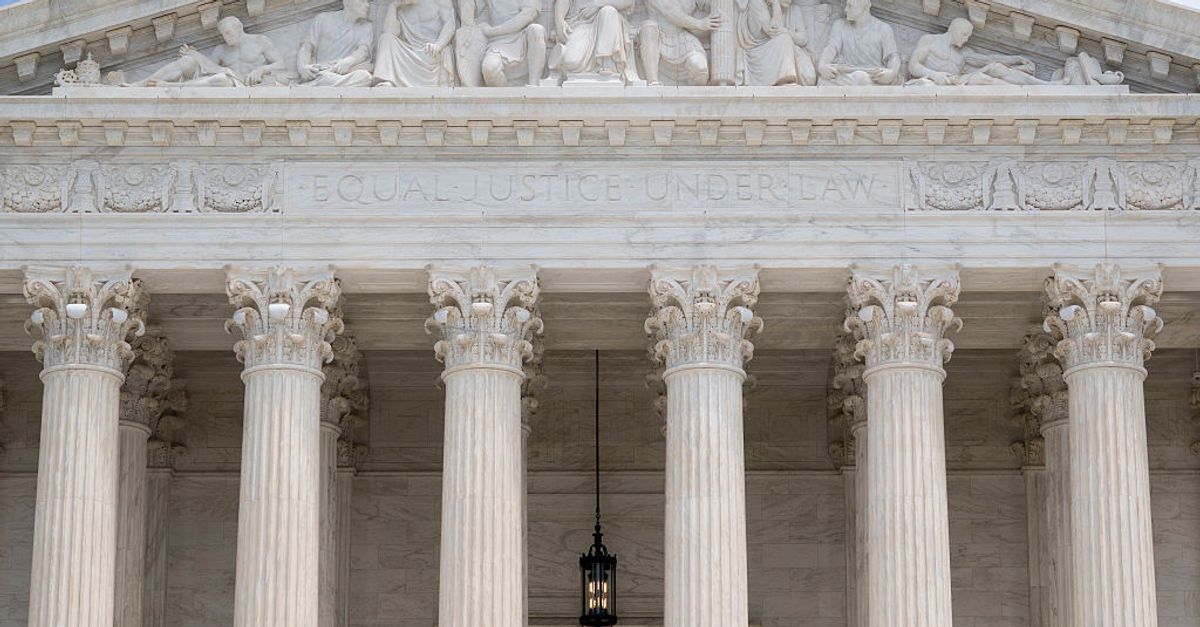
A group of Florida Republicans filed an appeal with the U.S. Supreme Court on August 6, challenging a lower court's dismissal of their lawsuit against the U.S. Census Bureau. The challengers, including U.S. Rep. Byron Donalds (R-FL) and the University of South Florida College Republicans, seek to require the bureau to revise its 2020 census data, alleging that statistical methods used during the count led to an inaccurate enumeration of Florida's population.
The dispute stems from the 2020 census, during which the bureau utilized statistical imputation—a method using administrative records or data from nearby households to estimate missing information—due to challenges posed by the COVID-19 pandemic. The challengers cited a 2022 Census Bureau survey suggesting the state's population was undercounted by 3.48%, an error they claim cost Florida an additional seat in the U.S. House of Representatives. They argue the U.S. Constitution requires an "actual Enumeration" and that statistical adjustments invite political influence.
A three-judge district court previously dismissed the case, ruling that the plaintiffs lacked standing, or the legal right to sue. The court found the group failed to prove that the bureau's methods caused the undercount and noted that the requested remedy—contacting 18.8 million people who may have moved since 2020—was "exceedingly impracticable." The court also ruled the lawsuit was filed past a four-year statute of limitations. In their appeal, the challengers argue that a six-year statute of limitations for suits against the government should apply instead and cited the 2002 Supreme Court case Utah v. Evans as precedent for their right to challenge census methods.
For the average Florida resident, the outcome could impact the boundaries of their congressional district and the level of federal funding tied to population totals. Because the lawsuit was filed nearly five years after the initial count, the lower court noted that two federal elections and nationwide redistricting have already occurred based on the original 2020 data. A court-ordered revision at this stage would likely trigger a new round of redistricting in Florida and potentially other states, affecting where voters cast ballots and which representatives serve them in Washington.
The case also sets a precedent for how future counts are conducted, specifically regarding the legality of "statistical imputation" during emergencies like a pandemic. A ruling would clarify whether the Census Bureau has the authority to use administrative estimates when direct contact is impossible, or if the Constitution's "actual Enumeration" clause strictly forbids such methods. The Census Bureau is scheduled to file its response to the appeal by September 17, after which the Supreme Court will decide whether to hear the case.