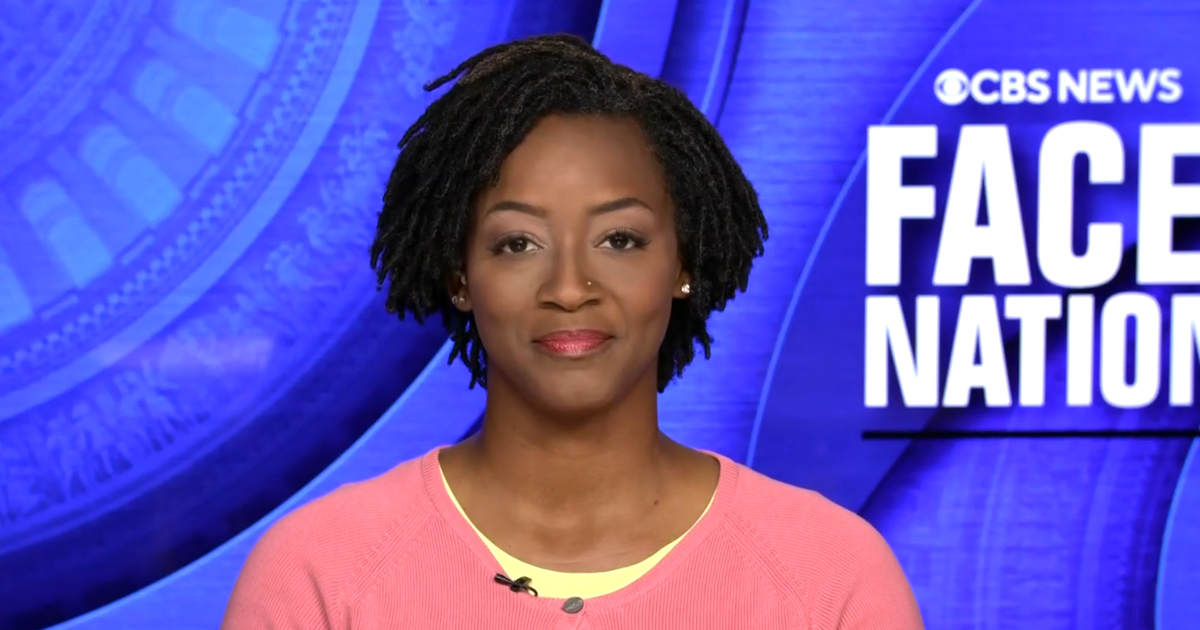
Florida State Representative Angie Nixon (D), the Democratic nominee for the U.S. Senate, outlined her platform and addressed campaign challenges during an interview on Oct. 18, 2026. Nixon, a community and union organizer, discussed her joining of the Democratic Socialists of America in June and her legislative priorities ahead of the November election.
Nixon addressed her political identity, stating that her focus is on policies such as quality health care access and public school funding rather than organizational labels. Her platform includes Medicare for All, a national rent stabilization standard, a federal minimum wage increase, the abolition of Immigration and Customs Enforcement (ICE), and a 5% annual wealth tax on billionaires.
Nixon criticized her opponent, Sen. Ashley Moody (R-FL), alleging that Moody has enriched herself through stock trading while sitting on committees with access to insider information. Nixon also referenced a grand jury finding regarding the DeSantis administration's use of taxpayer funds for the charity Hope Florida. While Nixon called for a Department of Justice investigation into the alleged misappropriation of $10 million from Medicaid, Moody has denied any wrongdoing, and no charges were brought against the senator.
Regarding her campaign's status, Nixon reported raising $2 million more than her opponent in the most recent quarter, supported by over 300,000 contributions averaging $31. She acknowledged receiving support from national Democrats, including Senate Majority Leader Chuck Schumer and Senator Kirsten Gillibrand, but noted that she had previously expressed frustration over a lack of funding for Black women candidates in the South.
For the average household, Nixon’s proposed minimum wage increase and rent stabilization would result in higher nominal take-home pay for low-wage workers and a cap on annual housing cost increases. Conversely, her proposed wealth tax would introduce new tax liabilities for billionaires. These policies would require legislative approval in a Congress that Nixon acknowledged might include a Republican president, potentially leading to negotiations over federal health care and immigration enforcement budgets.
The campaign now moves toward the November general election. While Nixon reported recent fundraising leads and high attendance at rallies, she continues to seek additional resources from the national Democratic Party. The general election in November 2026 will determine whether Nixon’s platform or Moody’s incumbency will represent the state in the Senate.