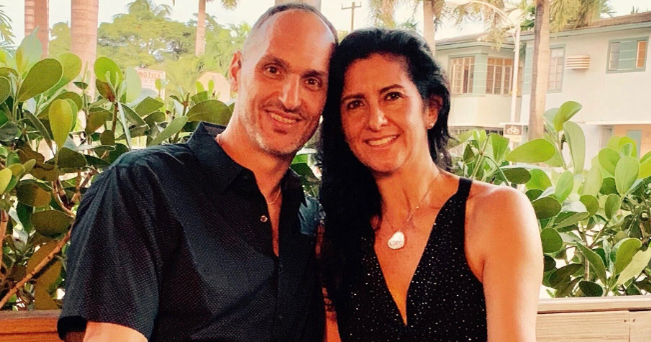
Todd Meiklejohn, an adult education teacher and athlete, recovered from a severe stroke following emergency surgery and the diagnosis of a heart defect. After collapsing at home on Aug. 8, 2025, Meiklejohn was diagnosed with a massive stroke caused by a blood clot that traveled to his brain.
Meiklejohn's wife discovered him approximately 45 minutes after his collapse and contacted emergency services. He was transported to the Miami Neuroscience Institute at Baptist Health, where medical staff determined that blood flow to his brain had been interrupted. Dr. Guilherme Dabus, an interventional neuroradiologist, performed a mechanical thrombectomy—a procedure using a catheter to remove a clot—38 minutes after the initial emergency call.
Following the surgery, Meiklejohn regained his speech and mobility. Doctors investigated the cause of the stroke in the otherwise healthy patient and identified a patent foramen ovale (PFO), a small opening between the heart's upper chambers. While typically harmless and present in 20% to 30% of adults, the gap in Meiklejohn's heart allowed a clot to bypass the lungs and enter his brain. He subsequently underwent a procedure to close the PFO.
The scale of the medical response in this instance illustrates the time-sensitive nature of stroke treatment, where brain matter begins to die immediately upon the loss of oxygen. Meiklejohn underwent surgery within 38 minutes of his wife's 911 call and was discharged from the hospital in less than 48 hours. The concrete impact of this rapid intervention allowed the patient to return to his professional duties as a teacher within four weeks and resume high-intensity athletic activities, such as a 100-mile bike ride, within two months. Without such timing, the source notes the patient faced potential permanent paralysis of his right side.
The long-term effects for patients who undergo PFO closure include a significantly reduced risk of recurrent strokes. According to Dr. Dabus, the chances of a follow-up event for Meiklejohn are now "very, very small." For the broader medical community, the case reinforces diagnostic protocols that suggest looking for cardiac defects when standard stroke causes are ruled out. Meiklejohn now monitors his vital signs daily, a common lifestyle change for stroke survivors. No further legal or legislative actions were reported following the successful medical procedures.