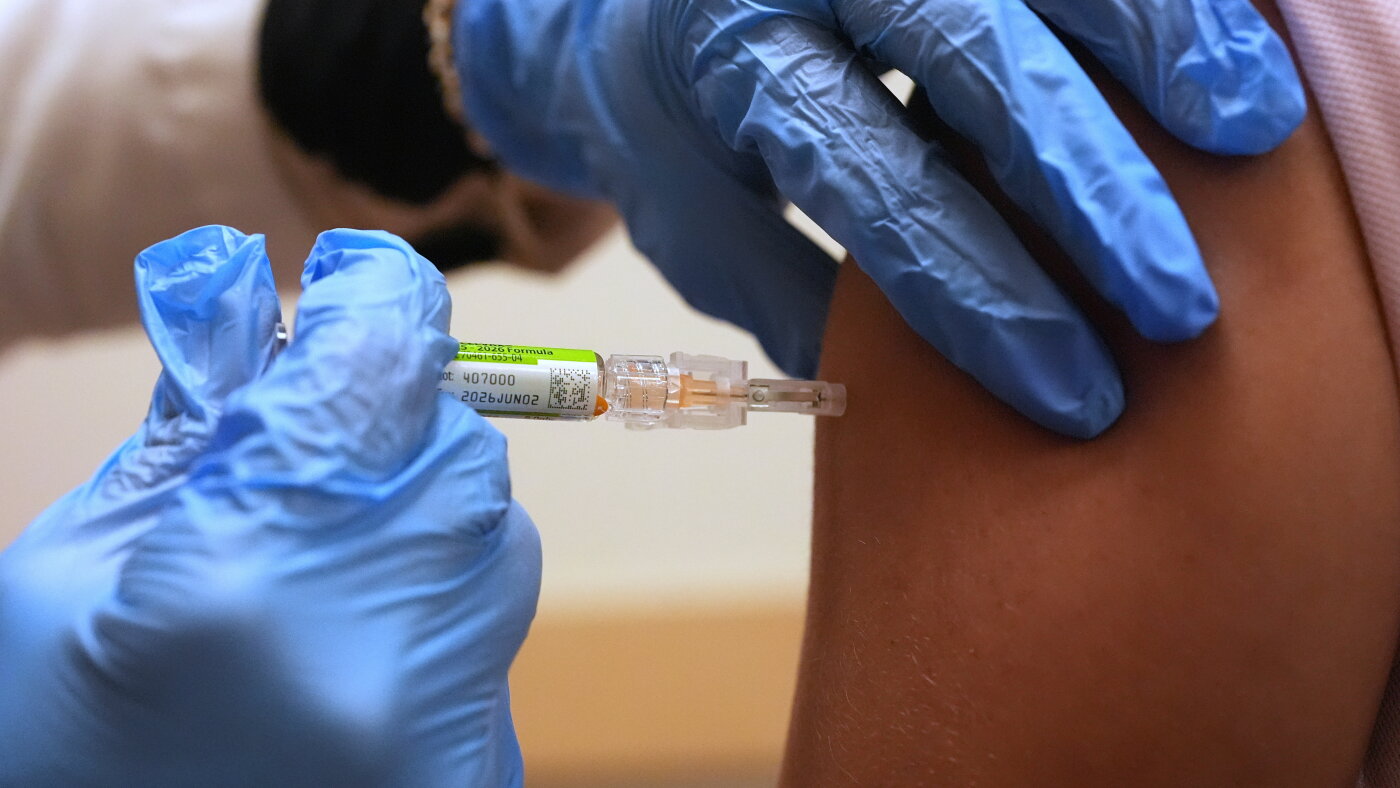
Epidemiologists and virologists reported on Wednesday, Oct. 7, 2026, that the annual flu season has begun earlier than usual, with activity picking up in early September. While the Centers for Disease Control and Prevention (CDC) typically identifies October or November as the start of the season, health experts noted that positive tests and emergency department visits for influenza have been rising for several weeks.
This early start follows a 2024-2025 season that was characterized as severe, with more than 710,000 hospitalizations and 45,000 deaths reported. In 2025, flu and pneumonia became the eighth leading cause of death in the United States. For the current 2026-2027 season, the CDC updated vaccines to target expected strains, including the H3N2 "subclade K" variant, also known as the "Super-K" strain.
Caitlin Rivers, an epidemiologist at Johns Hopkins Bloomberg School of Public Health, stated that flu activity is unusually concentrated in Western states, including California, Washington, Hawaii, and Alaska. Dr. Alex Greninger of the University of Washington noted that Seattle-area doctors are seeing flu levels comparable to what is typical around Christmas. Experts attribute the early surge to a new variant with a mutation that may better evade existing immunity, particularly in teenagers.
Health officials are encouraging the public to consider vaccinations sooner than the traditional mid-autumn window. For the 2026-2027 season, adults aged 50 and older have access to mFLUSIVA, the first mRNA (messenger RNA) flu vaccine approved in the U.S. In clinical trials of 40,000 adults, this vaccine provided 26.6% more protection against laboratory-confirmed flu than a standard-dose shot. Other recommended options for those 65 and older include Fluzone High-Dose, Flublok, and Fluad.
The scale of the impact is reflected in historical data, with 45,000 deaths recorded in the 2024-2025 season. For the average household, this development may change immediate healthcare scheduling; however, many preventive vaccines are 100% covered by Medicare, Medicaid, and most private insurance plans. The introduction of the mRNA vaccine mFLUSIVA also may allow for faster vaccine manufacturing, which could eventually allow health agencies to more quickly adjust shots to match circulating strains.
What happens next depends on the continued spread of the mutated variant. While some experts, such as former CDC official Dr. Demetre Daskalakis, have criticized the agency for being quiet about the season's start, the CDC stated it is currently developing a communications strategy. Residents can obtain vaccinations at pharmacies, doctor's offices, and senior centers throughout October. Experts noted that even if the ideal window is missed, vaccines remain beneficial as long as the virus is circulating.