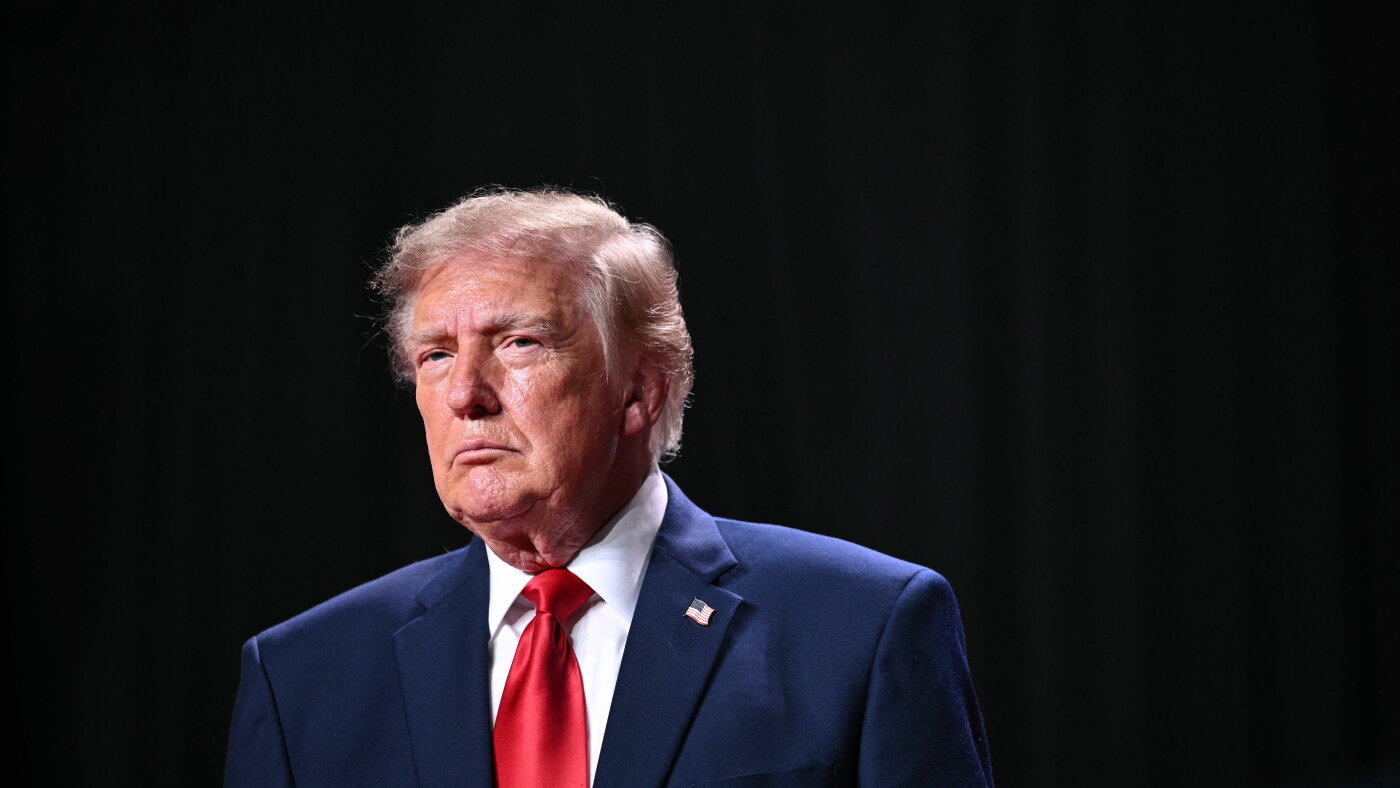
A focus group of eight Generation Z voters who supported Donald Trump in 2024 reported varying levels of dissatisfaction with the current political climate, with some expressing regret over their previous vote. The virtual discussion, conducted by the group Navigator Research, included participants aged 20 to 29 from Florida, Mississippi, Ohio, Texas, and South Carolina. While the group is not a nationally representative survey, the findings align with August polling from the same organization indicating that nearly one-third of voters under 30 regret their 2024 vote for Trump.
The participants cited differing reasons for their current political views, with six out of eight assigning the president a grade of D or F for his job performance. The remaining two participants gave him a C. Those who expressed regret pointed to a perceived lack of progress on campaign promises. One participant from Florida, identified as John, stated he plans to support Democratic candidates in the upcoming midterm elections due to financial strain, despite having voted for Trump since 2016.
Other participants maintained their support for the president while expressing specific policy preferences. Matthew, a participant from Texas, gave the president a C and cited border security and efforts to end international conflicts as successes. However, he noted that the conflict with Iran had not met his expectations. Courtney, a participant from South Carolina, said she does not regret her 2024 vote but expressed growing distrust of both parties regarding foreign aid and U.S. involvement in the Middle East, specifically mentioning aid for Israel and the war with Iran.
The scale of this dissatisfaction could impact the Republican Party's ability to maintain its 2024 coalition, which included gains among independents and Latino voters. While four of the eight focus group participants still plan to vote for Republican candidates this fall, three indicated they would switch to Democrats, and one remained undecided. This suggests that while some voters are moving away from the GOP, they are not all transitioning to the Democratic Party. Instead, many report a lack of trust in either party to address issues like the economy, education, or foreign policy.
The effects of this trend include increased political disaffection and pessimism toward the U.S. political system. Melissa Toufanian of Navigator Research noted that as trust in Republican economic policies has declined, it has not resulted in a corresponding "one-for-one" gain in trust for Democrats. What happens next depends on the results of the midterm elections, for which early voting is already underway in multiple states. The final outcome will determine whether the GOP loses seats, as suggested by some national polls, or secures a larger majority in the House and Senate.