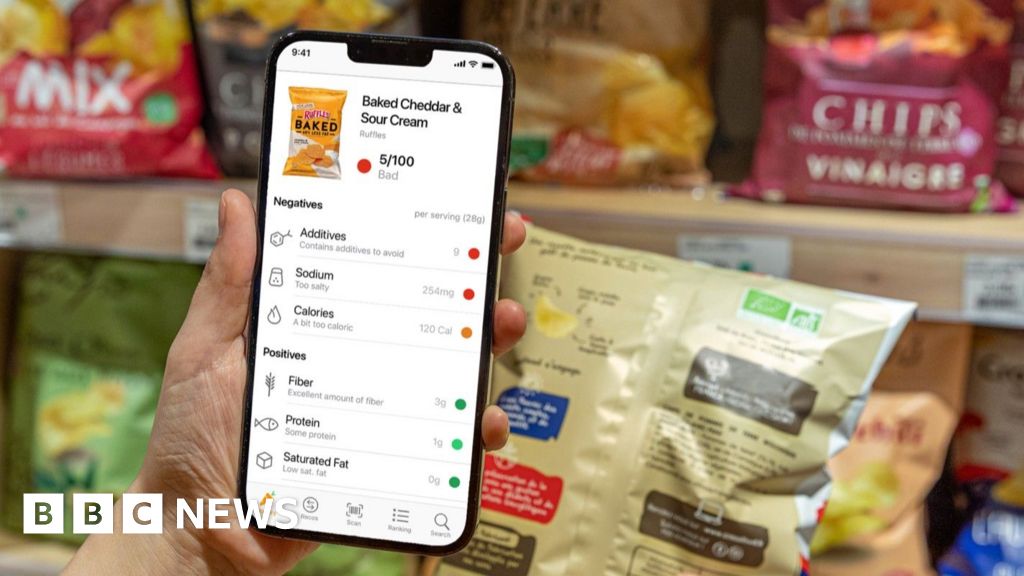
Food tracking applications such as Yuka and Open Food Facts have gained millions of users globally as consumers seek to monitor nutritional content and additives in grocery products. Yuka, a French-founded private company, currently reports 85 million users across 12 countries, with the United States representing its largest market at 28 million users. These apps allow shoppers to scan barcodes to receive color-coded health ratings based on nutritional quality and the presence of additives.
The rise of these apps coincides with public health initiatives like France’s Nutri-Score, a voluntary labeling system launched in 2017. While many large manufacturers have adopted Nutri-Score, others opt out, leading consumers to use third-party apps to fill information gaps. According to a 2024 survey of 20,000 Yuka users, 94% reported returning items to shelves after receiving a "red" or poor health rating.
Academic and policy experts note both the utility and the limitations of these digital tools. Christian Reynolds, a Reader in Food Policy at City St George’s University, London, stated that research indicates many consumers lack the time or inclination to engage with detailed food data during routine shopping. Furthermore, Nutri-Score creator Serge Hercberg noted that such apps primarily reach more affluent demographics rather than the populations most at risk for diet-related health issues.
Yuka CEO Julie Chapon stated that the company remains profitable through premium subscriptions rather than advertising or brand partnerships. Despite their different structures, developers of both non-profit databases and private apps suggest that increased transparency influences both consumer behavior and manufacturer formulations.