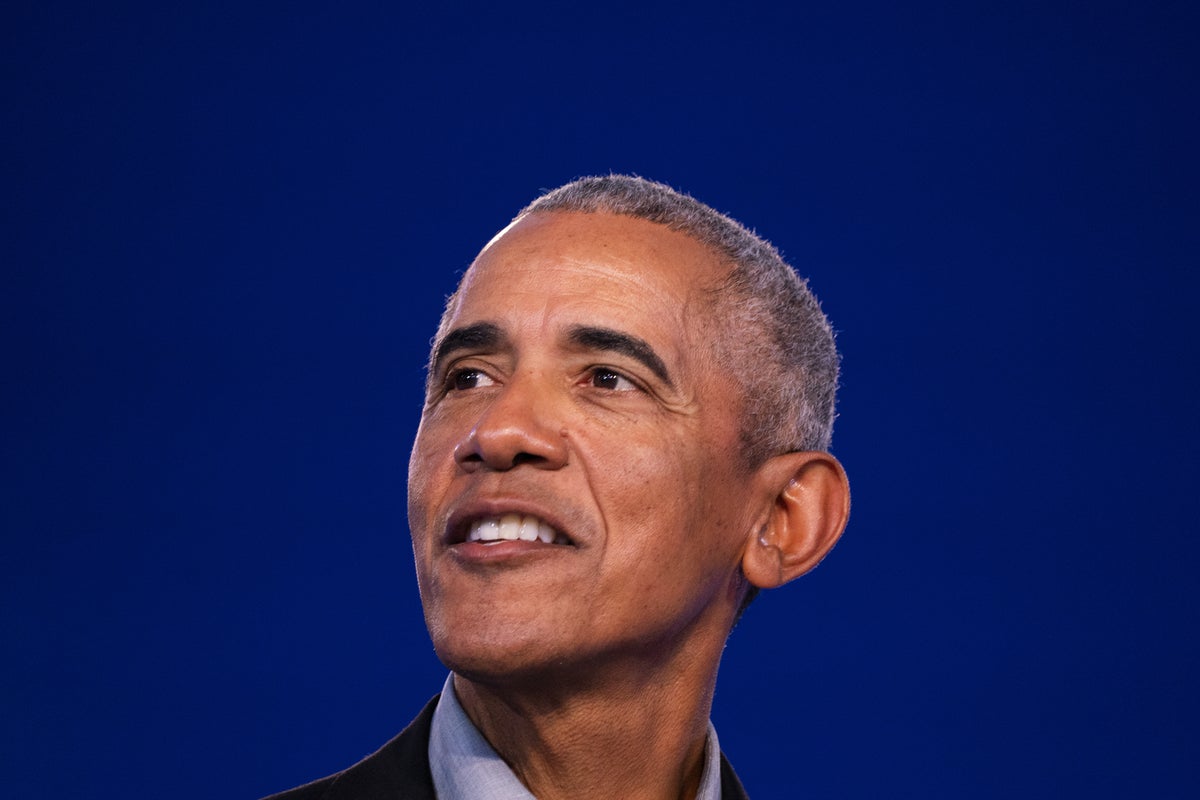
Former President Barack Obama issued a statement on Tuesday, September 15, 2026, regarding the development of artificial intelligence (AI). He stated that the potential impacts of the technology are not "overhyped" and expressed support for industry leaders who have called for a slower pace of development. His comments followed a Monday statement from President Donald Trump, who rejected calls for increased regulation and dismissed concerns that the technology could be destructive.
The debate followed an essay published on Monday, September 14, 2026, by Anthropic CEO Dario Amodei. In the essay, Amodei stated that AI has been advancing "dramatically faster" since the summer. He proposed a three-step safety plan involving third-party evaluators at AI firms and government-agreed safety standards. The leaders of rival firms, including Sam Altman of OpenAI and Elon Musk of Grok, expressed support for Amodei’s message, with Altman committing to providing independent evaluators with "employee-like access."
In his response, Mr. Obama stated he is neither an "accelerationist" nor a "doomer" regarding the technology. He argued that the speed of AI engineering is surpassing the ability of its creators to keep up and suggested that choices about the technology's future should be made by the public and companies together. Conversely, President Trump stated on Truth Social that the only necessary "guardrails" for AI is a "strong and smart" president. He compared warnings about AI destruction to climate change, which he characterized as a "hoax."
Former Vice President Kamala Harris also contributed to the discussion, advocating for "sensible guardrails." Harris, who is considered a potential 2028 presidential candidate, stated that a slowdown is "critical" to ensure the technology serves the public interest and does not escape human control. She noted that pacing development would not require abandoning potential benefits in fields such as medicine.
For the general public, the outcome of these policy debates will determine changes in how AI interacts with personal data and professional tasks. If industry-led safety standards or government regulations are adopted, users may see third-party oversight of algorithms. Alternatively, if a less regulated approach is maintained, the speed of technological shifts in the job market and classroom may remain rapid.
The effects of these statements could influence future legislative efforts and international agreements on safety standards. The precedent set by tech leaders committing to independent evaluations could become a baseline for the industry. What happens next depends on whether the proposed three-step safety plan is formally adopted by more firms and if the current administration pursues federal regulations. Specific dates for new legislation or executive orders were not reported.