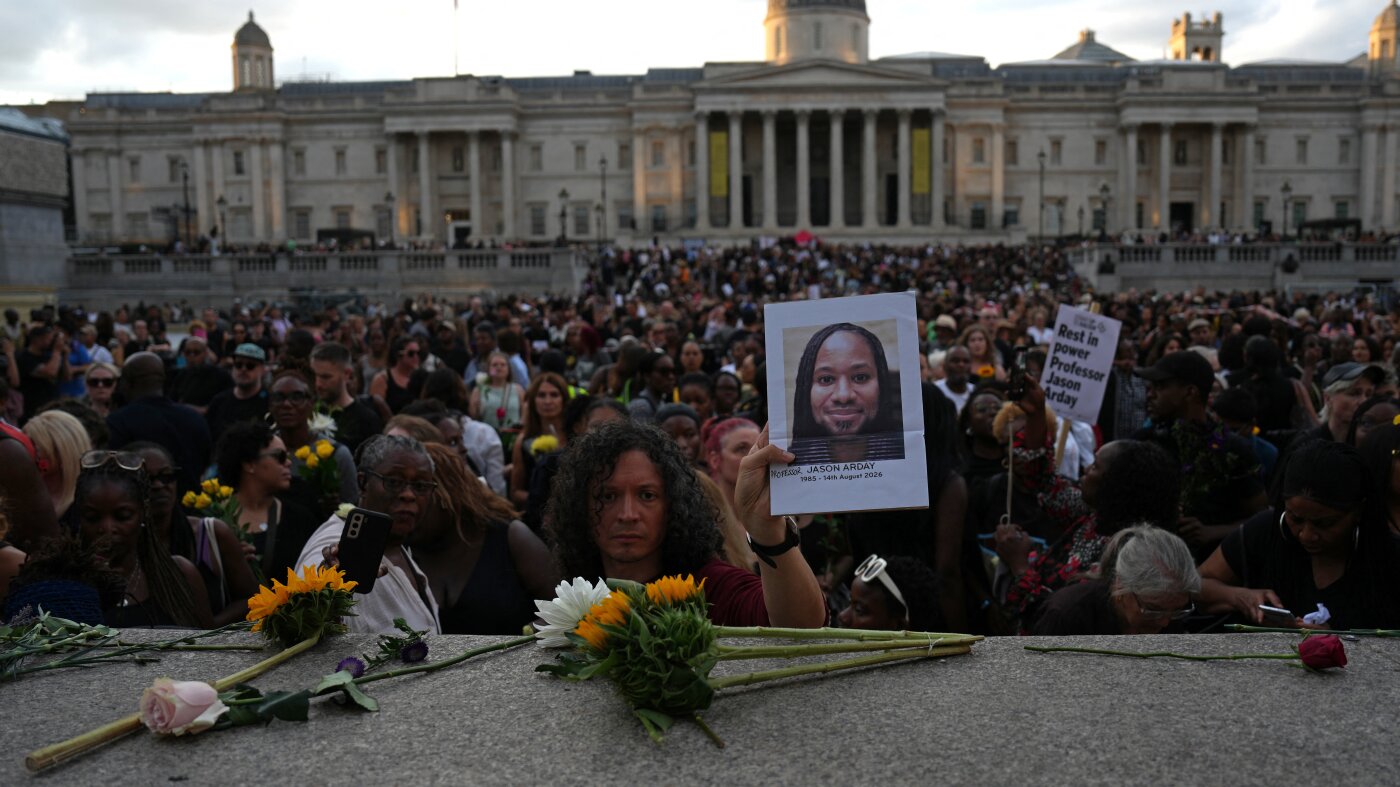
Former Cambridge University professor Jason Arday was found dead on Aug. 14, 2024, at the age of 41, following a period of scrutiny regarding his academic work and biographical claims. Arday, who had been the youngest Black person appointed to a professorship at the university in 2023, resigned from his position prior to his death after allegations of plagiarism and dishonesty surfaced.
Arday was a sociologist who specialized in the study of race, inequality, and education. His professional rise was accompanied by personal narratives, including claims that he was mute until age 11 and illiterate until age 18. Following his resignation, he became a subject of public debate regarding academic hiring standards and the treatment of Black scholars in elite institutions.
The allegations against Arday included claims of plagiarism and the embellishment of his biography. Critics pointed to his statement that he once ran 600 miles in six days as an example of an implausible claim. Tyler Austin Harper, a staff writer for The Atlantic, stated on Morning Edition that the "sheer accumulation of implausibilities" suggested Arday was a "serial fabulist." Arday denied any intentional wrongdoing during his lifetime.
A person working in or attending a university might notice changes in how biographical and academic background checks are conducted for new hires. The event has led to a debate over whether institutional goals for diversity have influenced the rigor of academic standards. Supporters of affirmative action expressed concern that Arday's case could be used as a "cudgel" against such policies, potentially affecting future hiring practices and the professional environment for Black and Brown academics.
The knock-on effects include a broader examination of the pressures faced by Black scholars, who supporters say face intense and often racist scrutiny. Harper noted that the initial person to raise the claims against Arday had previously written about race and IQ, leading to discomfort regarding the motives behind the accusations. What happens next depends on how institutions like Cambridge respond to these critiques; currently, no specific court dates or legislative deadlines have been reported following Arday's death on Aug. 14.