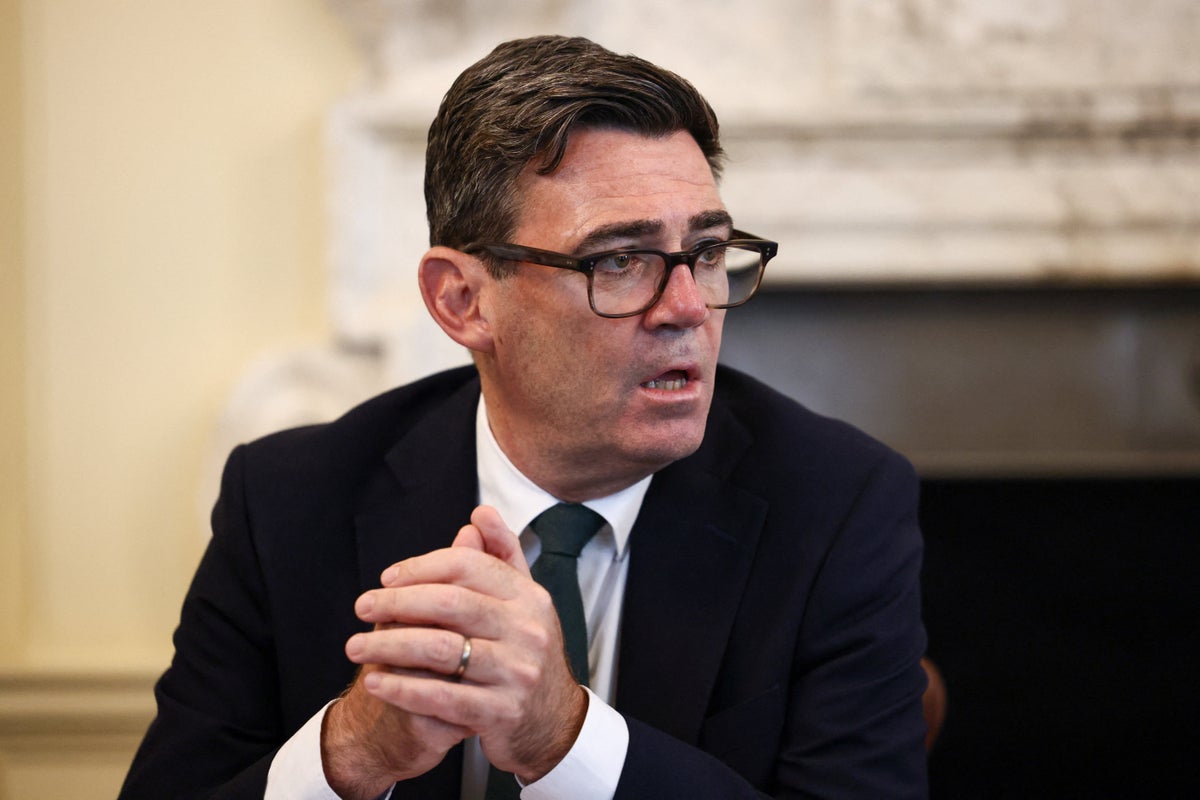
Richard Walker, the managing director of Iceland and a former cost-of-living adviser to the government, stated that Prime Minister Andy Burnham must prioritize fiscal restraint. Speaking to LBC, Walker said the prime minister needs to make "unpopular decisions" regarding spending and taxation in the upcoming budget. Walker argued that the government should stop viewing business as a "piggy bank" to be raided, stating that business is what creates growth.
The comments follow Mr. Burnham's entry into 10 Downing Street over the summer, during which he pledged to cap bus fares at £2, reduce VAT on household electricity, and end rough sleeping. Walker, who previously served as a cost-of-living champion, suggested that the era of relying on increased borrowing to fund initiatives has ended due to pressures from bond markets. He called for a reduction in the rate of spending increases to stabilize the economy.
Economic data released on Wednesday, September 16, 2026, showed that inflation in the United Kingdom reached a five-month high. Bank of England Governor Andrew Bailey also indicated that interest rates may rise if the war between the United States and Iran continues. In response, Mr. Burnham acknowledged that the global climate, particularly instability in the Middle East, would make the next budget "challenging," though he stated his administration would not take risks with the public's standard of living.
The scale of the fiscal challenge is tied to rising inflation and global instability. While specific total amounts for the budget were not reported, inflation reaching a five-month high means households may see the purchasing power of their paychecks decrease. For a typical family, an interest rate hike as cautioned by Andrew Bailey would result in higher monthly mortgage payments or increased costs for personal loans. Business owners are monitoring whether Chancellor John Healey will introduce new levies.
The outcome of these policy decisions will determine how the Burnham administration balances its promises with market demands for fiscal discipline. A shift toward spending cuts, as advocated by Walker, would mark a change in the government's approach. The effects on defense funding and electricity bills will become clear when Chancellor John Healey delivers the Budget next month. As of now, the government has not specified which pledges may be adjusted to account for the rising inflation rates reported on September 16.
What happens next: Chancellor John Healey is scheduled to deliver the government’s first Budget next month, in October 2026. This fiscal statement will confirm whether the proposed VAT cuts and fare caps will be implemented as planned or if spending reductions will be introduced to address the inflation jump reported this week. The Bank of England will also continue to monitor the impact of Middle Eastern conflicts on interest rate projections.