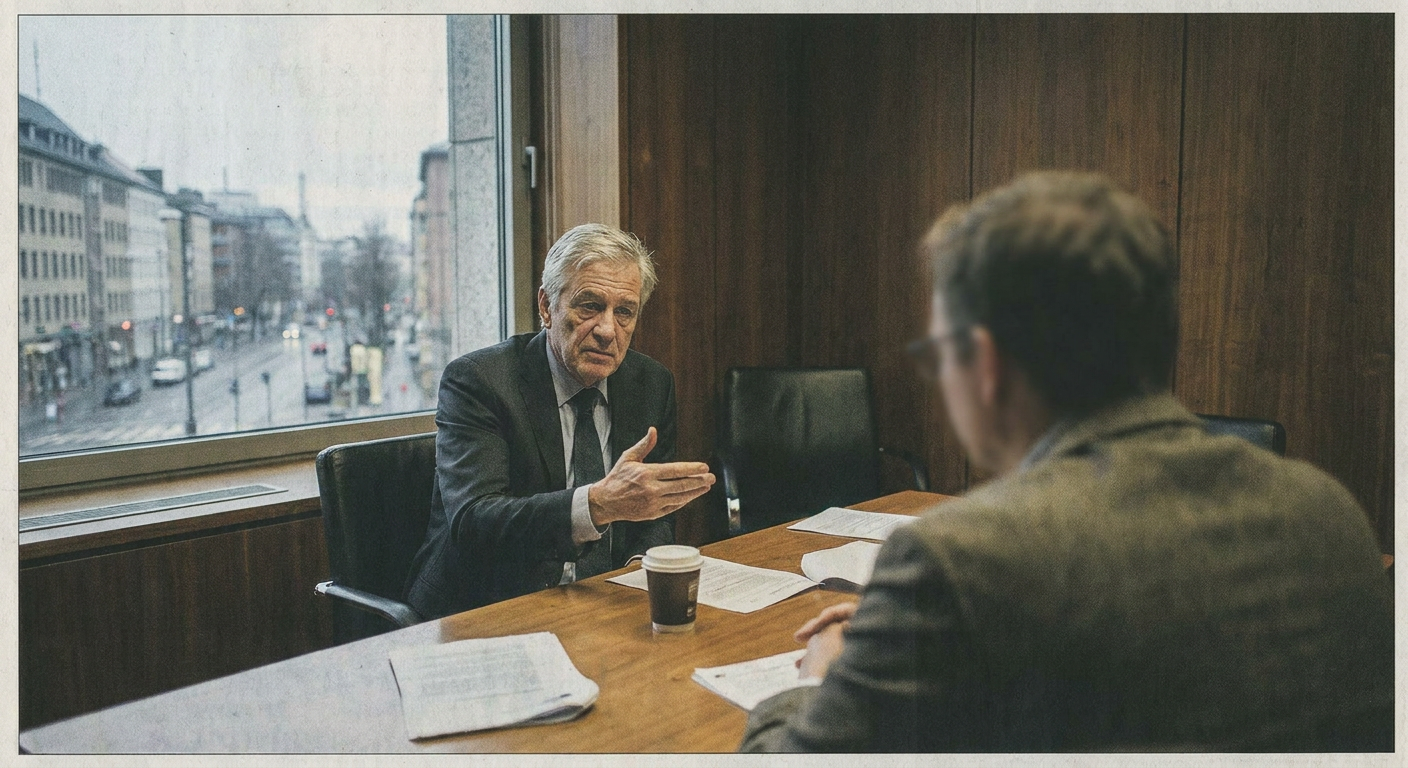
Former Canadian diplomat Colin Robertson discussed the ongoing trade conflict between the United States and Canada during a Monday interview with NPR. The discussion focused on the current status of economic relations and the impact of cross-border trade tensions.
The dialogue occurs amid a period of active trade disputes between the two North American neighbors. Both nations share one of the world's largest trading relationships, which is currently navigating a series of disagreements that Robertson characterized as a "trade war."
The interview addressed the diplomatic and economic strategies involved in the current friction. Robertson, who previously served as a diplomat for the Canadian government, provided perspectives on how the two nations are navigating the current impasse. Further specific details regarding the commodities involved or the specific policies triggering the conflict were not detailed in the report.
The concrete day-to-day changes for individuals would likely manifest as shifts in the cost of consumer products or industrial supplies, depending on which sectors are targeted by tariffs or trade barriers. If the conflict persists, workers in manufacturing, agriculture, or logistics may see adjustments in their job security or production schedules. The report did not specify a date for when these changes would be most noticeable to the public.
The knock-on effects of this dispute could influence future negotiations regarding regional trade agreements and set precedents for how North American partners resolve economic disagreements. The long-term stability of the integrated supply chains between the U.S. and Canada remains subject to the outcome of these ongoing tensions. No specific dates for upcoming votes, court hearings, or new policy implementations were reported.