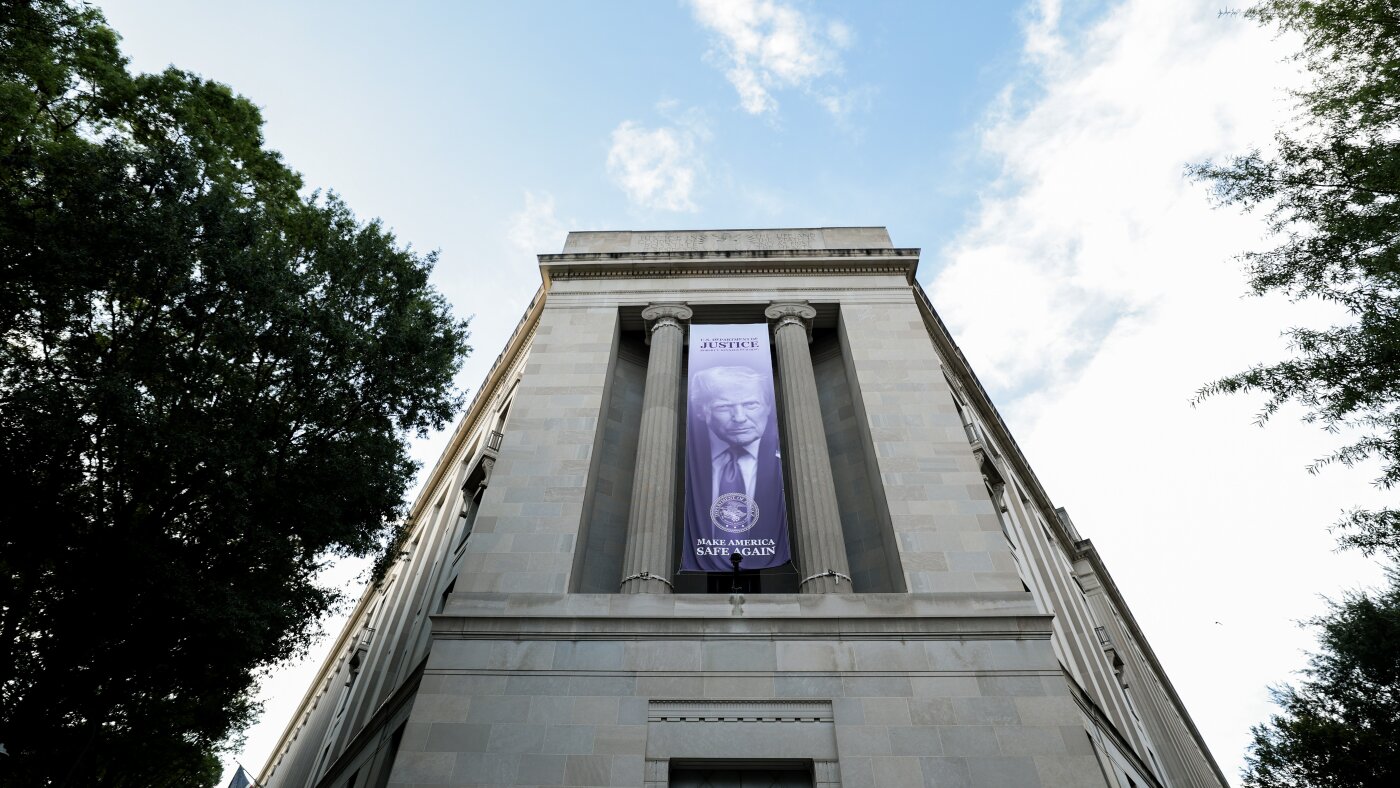
A former federal prosecutor filed a lawsuit against the Department of Justice on Monday, alleging she was dismissed for political reasons related to her prosecution of anti-abortion activists. Sunita Doddamani, who served as an assistant U.S. attorney in the Eastern District of Michigan, claims her termination was retaliatory and violated civil service protections and constitutional rights.
The lawsuit follows a shift in Department of Justice (DOJ) policy under the current administration regarding the Freedom of Access to Clinic Entrances (FACE) Act. The 1994 law prohibits the intentional interference with reproductive health services. While supporters say the law prevents clinic violence, opponents argue it infringes on free speech. The DOJ recently announced it would only enforce the act in cases involving death or serious property damage and pardoned 23 individuals convicted under the statute.
Doddamani was dismissed on April 13 without advance notice or a stated cause, according to the complaint. The filing notes that two other prosecutors involved in FACE Act cases were also terminated that day. The lawsuit cites a DOJ social media post from April stating the department had "terminated the employment of personnel responsible for weaponizing the FACE Act." The day after the firings, the department released a report accusing the previous administration of using the law improperly against activists.
The scale of the impact involves at least three federal prosecutors dismissed on the same day for their work on FACE Act cases, alongside an unspecified number of other department personnel. For a career federal employee, these terminations mean the immediate loss of a salary—which for assistant U.S. attorneys typically ranges into six figures—and the potential loss of federal pension contributions and healthcare benefits. Doddamani’s complaint states the firing caused her to lose financial opportunities and damaged her professional reputation, which could affect her ability to secure future legal work.
The outcome of this case could set a precedent for the job security of approximately 2 million federal career employees who are traditionally protected from political dismissal. If the court finds the firings were lawful, it may indicate a broader shift in how the Administrative Procedure Act and the Civil Service Reform Act are applied to personnel changes during administration transitions. A ruling in Doddamani's favor would require the DOJ to provide backpay and potentially reinstate her to her position. The department has declined to comment on the litigation, and no court dates have been announced.