Nearly 250 women have accused Christian Nègre, a former senior French civil servant, of drugging them during job interviews to force them to urinate in public or in his presence. The alleged incidents occurred between 2009 and 2018 while Nègre worked for the Ministry of Culture in Paris and Strasbourg. Nègre is currently under formal investigation for charges including drugging, invasion of privacy, and sexual assault, and is awaiting trial.
The investigation began in June 2018 after a colleague reportedly caught Nègre taking a photograph of a woman from beneath a table. The prosecutor's office stated that Nègre was suspended and then dismissed from his ministry role in 2019. During the initial investigation in 2018, prosecutors said Nègre admitted to investigators that he had "imposed humiliating situations on women" during job interviews.
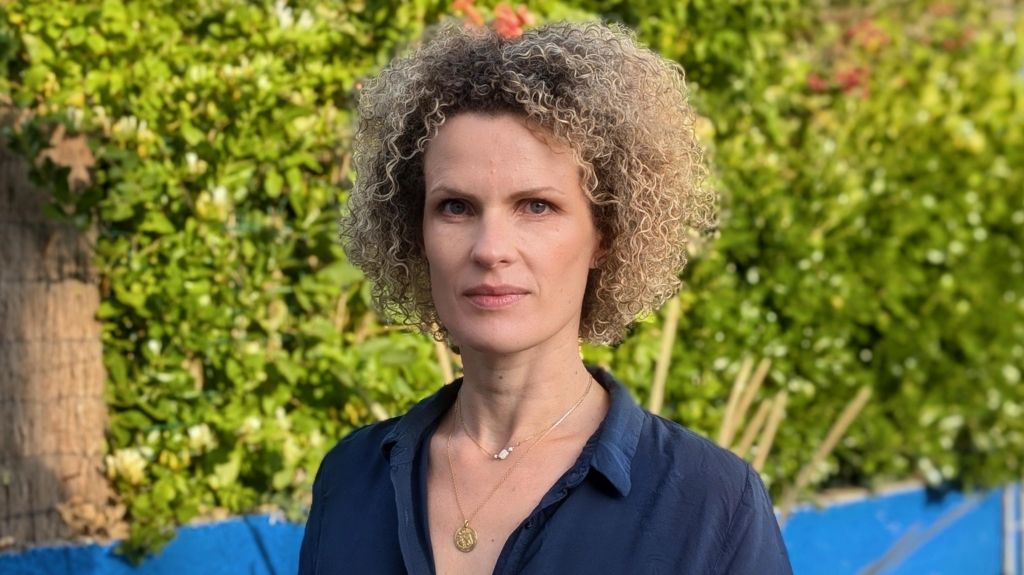
Accusers Anaïs de Vos and Marie-Hélène Brice described a similar pattern where Nègre offered coffee or suggested walks during interviews. Police informed the women that a spreadsheet titled "Experiments P" was discovered on Nègre's computer, which allegedly recorded when diuretics were administered, the time it took for the women to urinate, and descriptions of their underwear. Diuretics are medications typically used for high blood pressure that increase urine production.
The situation highlights the specific challenges of "chemical submission"—the use of drugs to exert control over others. In France, this issue gained national attention following the 2024 trial of Dominique Pelicot. For the women in the Nègre case, the delay in justice is a primary concern; De Vos reported speaking to police in 2019 but not receiving updates until 2023. Advocates from Fondation des Femmes, which represents 30 of the accusers, note that the alleged perpetrator has continued to work in human resources while awaiting trial.
The case has influenced current French policy, including a pilot program initiated by MP Sandrine Josso that allows women to submit blood or hair samples for drug testing without immediately filing a police report. Toxicologists like Prof Jean-Claude Alvarez now include diuretics in routine drug screenings, a change in protocol prompted by these allegations. While a specific trial date for Nègre has not been reported, the judiciary is under pressure from UN Women and local advocacy groups to address the backlog in sexual violence cases. Nègre’s lawyer declined to comment on the specific allegations.