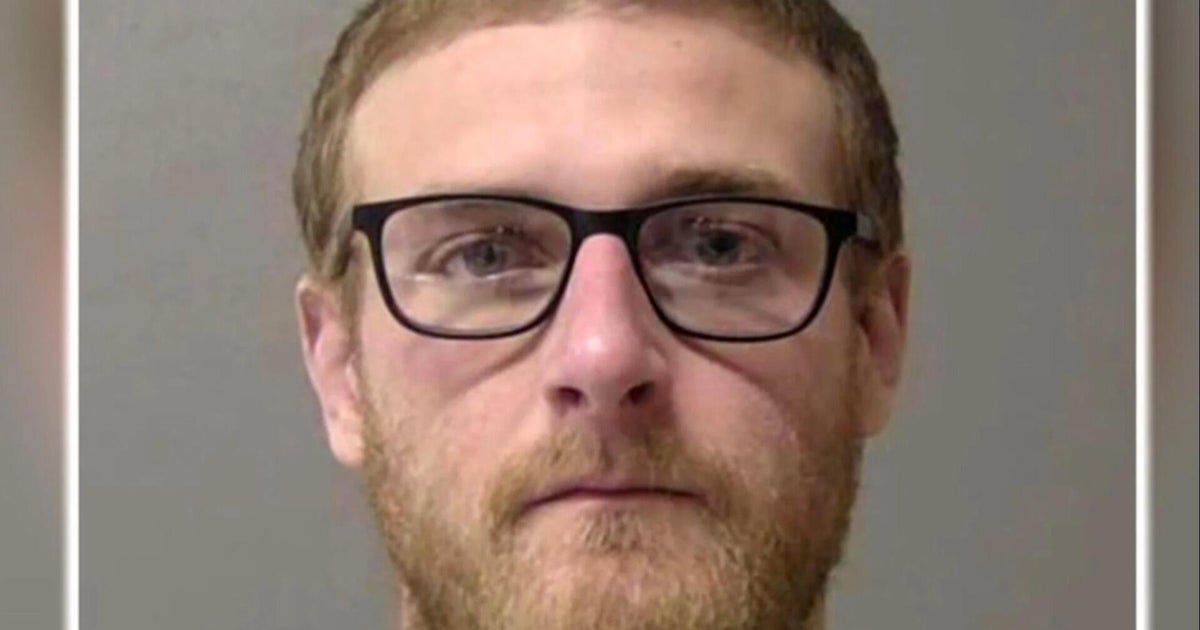
Sean Grayson, a former Sangamon County Sheriff's deputy who was convicted of murdering Sonya Massey, died on Sunday. His attorney, Daniel L. Fultz, confirmed the death, though the specific cause was not immediately reported. Grayson, 32, was serving a 20-year prison sentence following a conviction last October for second-degree murder.
The death occurred while Grayson was in the custody of the Illinois Department of Corrections. According to his attorney, Grayson had been receiving treatment for Stage 4 colon cancer. The Illinois Prisoner Review Board had recently considered and rejected a request for his medical release, despite the application citing the advanced stage of his illness.
Grayson's conviction stemmed from the July 2024 shooting of 36-year-old Sonya Massey. Massey had called the police to report a potential prowler at her home. During the response, Grayson and another officer entered the residence. Body camera footage from Grayson's partner showed Grayson shooting Massey after she moved toward a pot of water on her stove. Grayson stated Massey had been acting erratically prior to the shooting.
The outcome also underscores the protocols of the Illinois Prisoner Review Board and the Illinois Department of Corrections regarding terminally ill inmates. The board's decision to deny Grayson's medical release just one month prior to his death demonstrates the high threshold required for compassionate release in the state. This impacts the 12,000 to 30,000 individuals typically incarcerated in state systems who may seek similar medical exemptions for terminal conditions such as Stage 4 cancer.
For the public and law enforcement agencies, the case serves as a reference point for body camera policies and deputy disciplinary records. The initial incident resulted in a 20-year sentence followed by two years of mandatory supervised release, a sentence that will no longer be served. While the criminal case is functionally closed due to the defendant's death, the Illinois Department of Corrections has not yet responded to inquiries regarding the circumstances of his final days or the official cause of death.
What happens next: The Illinois Department of Corrections is expected to process the official notification of death. It is not yet known if an autopsy will be performed to confirm if colon cancer was the definitive cause. No further court dates or hearings are scheduled in the criminal matter following the defendant's death.