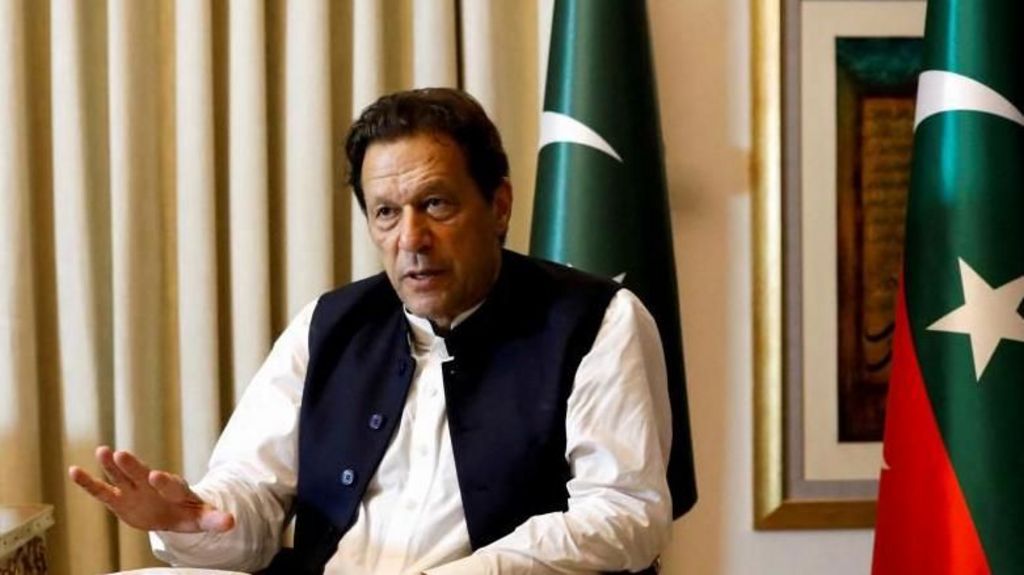
Former Pakistani Prime Minister Imran Khan was returned to prison early Friday after undergoing a medical examination at Shifa International Hospital in Islamabad. Information Minister Attaullah Tarar stated that a team of specialists, including a cardiologist, an ophthalmologist, and a physician, examined the 73-year-old and determined he was "medically fit." The examination followed a Tuesday order from the Supreme Court of Pakistan mandating a hospital visit within 48 hours to address health complaints.
Khan has been incarcerated since August 2023 on various charges, including corruption, leaking state secrets, and selling state gifts. He and his wife, Bushra Bibi, were sentenced to 17 years in late 2023. Khan has consistently stated that these charges are politically motivated. Prior to the court-ordered hospital visit, Khan's lawyers reported that he suffered from several health conditions, including significantly impaired vision, and had been denied access to specialist care.
The Supreme Court's Tuesday order also granted Khan permission to see his family for the first time in several months. His sister, Azma Khan, visited him in prison on Tuesday night and was present during the medical evaluation on Thursday night. During the hospital visit, police and armored vehicles patrolled the area, which had been cordoned off with barriers. The court specifically cautioned Khan’s party, Tehreek-e-Insaf (PTI), against holding press conferences at the hospital or organizing supporter gatherings, which would violate the court order.
The scale of the situation involves the legal processing of over 100 cases brought against the former prime minister. The political impact is felt by millions of PTI supporters who have engaged in large-scale protests since his 2023 arrest. While the exact financial cost of the security operations and legal proceedings is not reported, the deployment of armored vehicles and the sealing of major hospital zones in the capital city indicate a high-level security response. A person in Pakistan would notice these disruptions through street closures, increased police presence, and the potential for civil unrest tied to court rulings.
The decision sets a precedent for how the Pakistani judiciary manages the health and visitation rights of high-profile political prisoners under the current administration. It signals that the Supreme Court is willing to override prison authority restrictions regarding medical access and family contact. However, the court’s warning against politicizing the hospital stay shows an effort to limit the knock-on effects on public order. What happens next depends on the full medical report and any subsequent legal filings by Khan’s lawyers regarding his fitness for continued detention. No specific date for a follow-up hearing was reported.