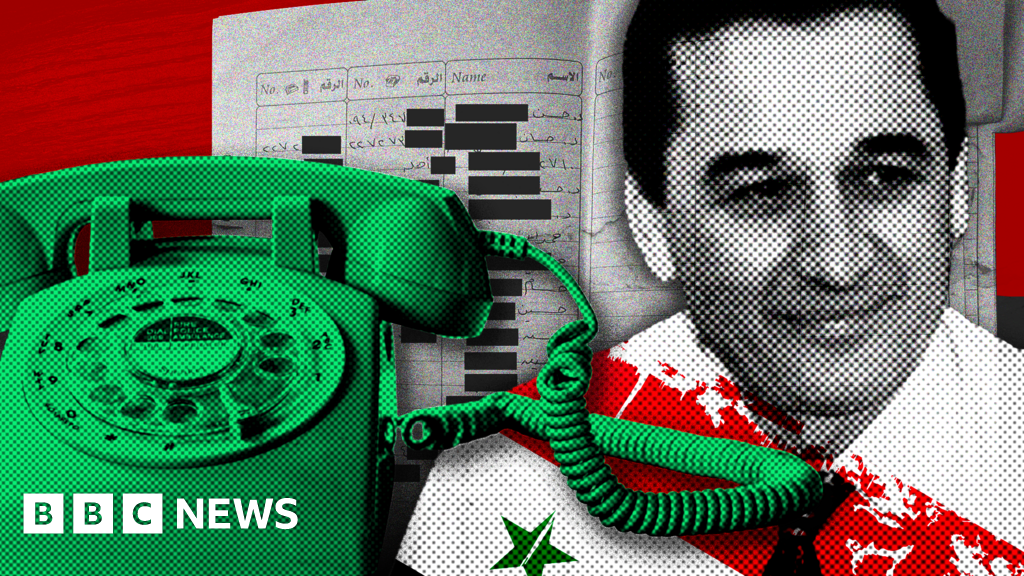
The BBC reported on August 7, 2024, that it has located Hussam Luka, the former head of Syria’s General Security Directorate (GSD), in the outskirts of Moscow. Luka, a senior official under ousted leader Bashar al-Assad, disappeared from Damascus in December 2024 as the regime collapsed and is now the subject of a domestic and international arrest warrant issued by the new Syrian administration.
Luka, who headed Syria's most powerful civilian intelligence agency, faced sanctions from the United Kingdom, United States, and European Union for his alleged role in orchestrating torture and atrocities during the Syrian civil war. Following the fall of Damascus, investigators discovered a personal contact book in Luka's abandoned apartment, which contained 155 phone numbers belonging to military officials, relatives, and medical professionals.
The search for Luka involved tracking his movements from Syria through Lebanon and ultimately to Russia, a country that served as a primary military and political backer for the Assad government. A former bodyguard, identified as Mahmoud, told reporters that Luka fled the capital in the early hours of a December morning, allegedly taking a large sum of money from an office safe. Lebanese government sources indicated Luka used a Russian passport under a different name to travel to Moscow.
The scale of the impact involves the documentation of hundreds of thousands of deaths during the conflict, many of which human rights groups attribute to the intelligence services Luka commanded. By identifying Luka’s location in suburban Moscow, the report highlights the day-to-day reality for former officials who now live in exile, shielded from extradition. For Syrian citizens, this means that while domestic warrants are active, the physical detention of high-ranking former officials remains unlikely as long as they remain in countries that do not recognize those warrants. The Syrian Attorney General, Hassan al-Turba, stated that his office is circulating international warrants, but the practical effect on the Syrian legal system is a stalemate regarding the extradition of the former regime’s inner circle.
The knock-on effects of Luka’s presence in Russia include the setting of a precedent for how former Syrian officials may avoid prosecution. This situation complicates the new Syrian government’s efforts to establish a transition of power focused on accountability. While the Russian government has not responded to requests for comment, the continued protection of figures like Luka suggests that the international community may face persistent diplomatic hurdles in adjudicating war crimes allegations. The next steps in this process depend on whether Interpol or other international bodies can exert pressure for extradition, though no specific court dates or deadlines have been set.
Luka briefly spoke to reporters via a Russian phone number but declined to be interviewed or address specific allegations, citing personal risk. The Syrian government's lawsuit against him remains active as they attempt to track other missing senior officials.