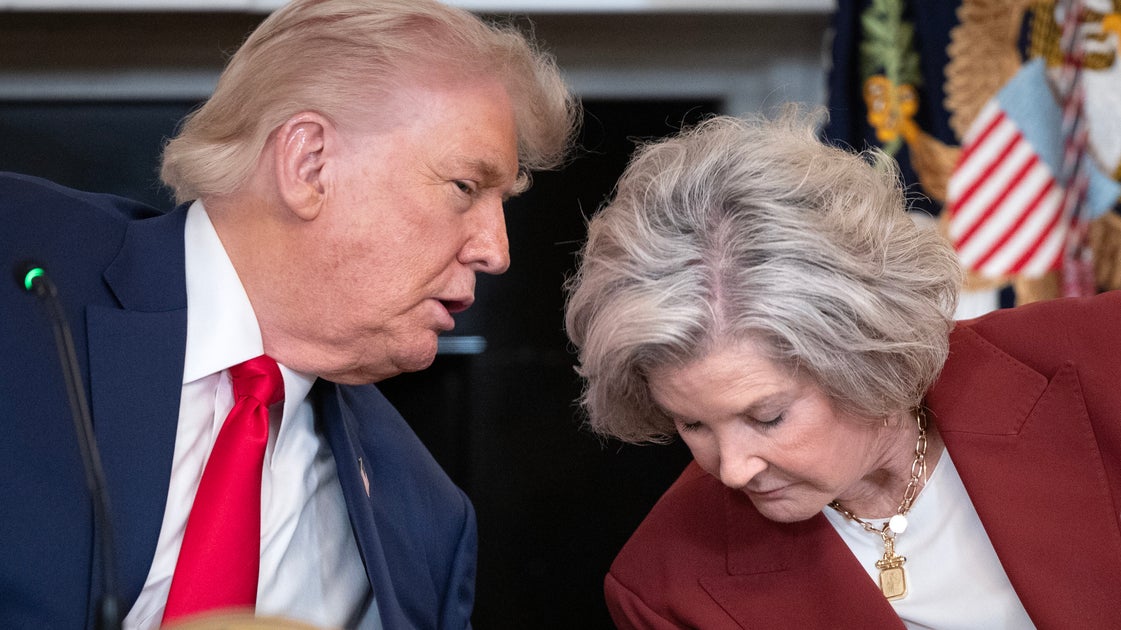
Sarah Matthews, a former deputy press secretary in the first Trump administration, stated on Sunday, Oct. 18, 2026, that she is concerned by reports that Stephen Miller is being considered as a potential replacement for White House Chief of Staff Susie Wiles. Matthews, who has become a critic of the president, made the comments during an interview with Jack Cocchiarella of MeidasTouch.
The remarks follow reports that President Donald Trump may be considering a change in leadership within his administration. While the president has publicly stated he intends to keep Wiles in her current role, Matthews alleged that he has been privately soliciting opinions on potential successors. Trump has dismissed reports of Wiles's departure.
Matthews described the possibility of Miller taking the role as "terrifying" and "a very scary thing." She characterized Miller as "batshit crazy" and suggested that a change in leadership during the final two years of the presidency, a period she described as a "lame duck" phase, would be alarming. Matthews worked alongside Miller during his time as an advisor focused on immigration policy but noted they were not close.
The potential replacement of a White House Chief of Staff affects the political appointees across the federal government and the civil servants who rely on the office for policy coordination and administrative direction. As the highest-ranking employee of the White House, the Chief of Staff manages the president’s schedule, controls access to the Oval Office, and oversees the execution of executive orders. A transition in this role can lead to shifts in how federal agencies receive instructions on issues ranging from immigration enforcement to economic policy.
The scale of this impact involves the management of the federal budget. While the personnel directly reporting to the Chief of Staff are within the White House Office, the person in this role serves as a gatekeeper for the administration. For citizens, a change in the Chief of Staff often results in a shift in policy priorities that can be noticed in the speed or direction of regulatory changes, which may eventually affect tax implementation, healthcare administration, or immigration proceedings.
The specific timing of a potential transition has not been reported, as the president continues to publicly support Wiles. If a vacancy occurs, the appointment of a successor does not require Senate confirmation, meaning a new Chief of Staff could begin directing White House operations immediately upon being named. Currently, no official resignation or termination date has been announced.