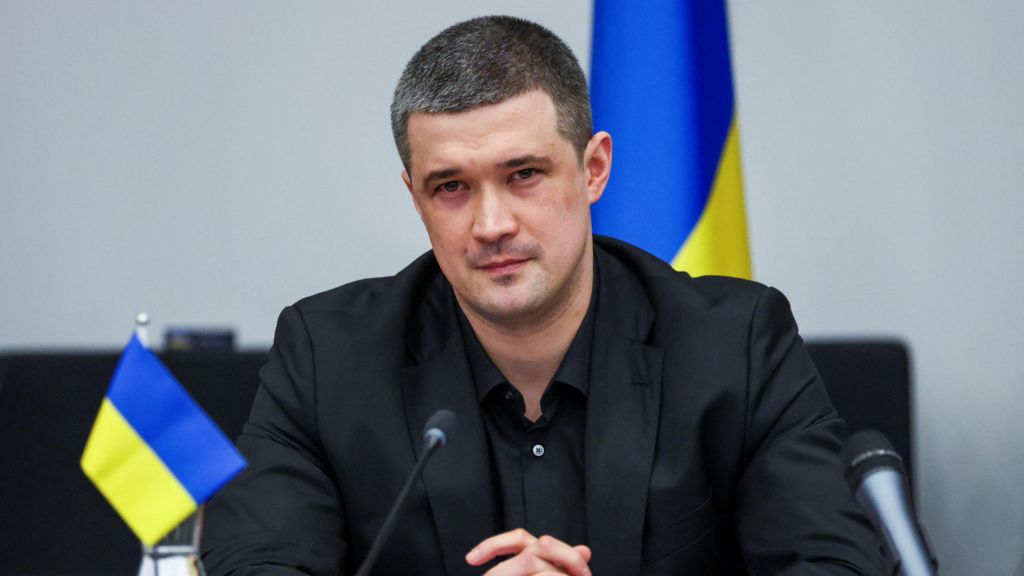
Former Ukrainian Defence Minister Mykhailo Fedorov called for the resumption of presidential elections in a video released Tuesday, despite the ongoing application of martial law. Fedorov, who was removed from his cabinet position in late July, stated that the country's democratic processes should not be suspended indefinitely due to the conflict with Russia. He argued that Ukraine is experiencing a governance crisis and that corruption continues to impact the war effort.
Ukraine has been under martial law since Russia’s full-scale invasion began in February 2022. Under these legal conditions, all national elections are suspended. While Fedorov did not explicitly announce a personal bid for office, he advocated for the creation of a legal and safe mechanism to restore democratic voting while the conflict remains prolonged. President Volodymyr Zelensky has not yet issued a formal response to the former minister's statements.
Fedorov's dismissal in July followed reported tensions with the then-army commander-in-chief, Oleksandr Syrskyi, who was also replaced several weeks later following public protests. During his six-month tenure as head of the defense ministry, Fedorov was noted for his focus on high-tech warfare, anti-corruption initiatives, and the use of data analytics for frontline operations. Following his removal, Zelensky appointed Yevgeniy Khmara, an intelligence official, as acting defense minister. Fedorov reportedly declined other government roles, stating he would only return in the capacity of defense minister.
For the average Ukrainian citizen, the resumption of elections would mean a return to active political participation, potentially changing how government leadership is held accountable for wartime decisions, military procurement, and domestic corruption. Currently, citizens notice the impact of centralized governance through martial law restrictions on movement, assembly, and political campaigning. If a mechanism for "wartime elections" is established as Fedorov suggests, it would set a precedent for how democratic states maintain constitutional transitions during active territorial invasions.
The knock-on effects extend to Ukraine’s international relations and its stated goal of joining European institutions. The debate over democratic legitimacy during wartime influences how foreign aid is managed and how the country's governance is perceived by allies. What happens next depends on the Ukrainian parliament and the presidency; currently, there are no confirmed dates for a vote to lift martial law or schedule an election. The government must now decide whether to maintain the current suspension or address the "systemic crisis of governance" Fedorov described by amending legal frameworks for voting.