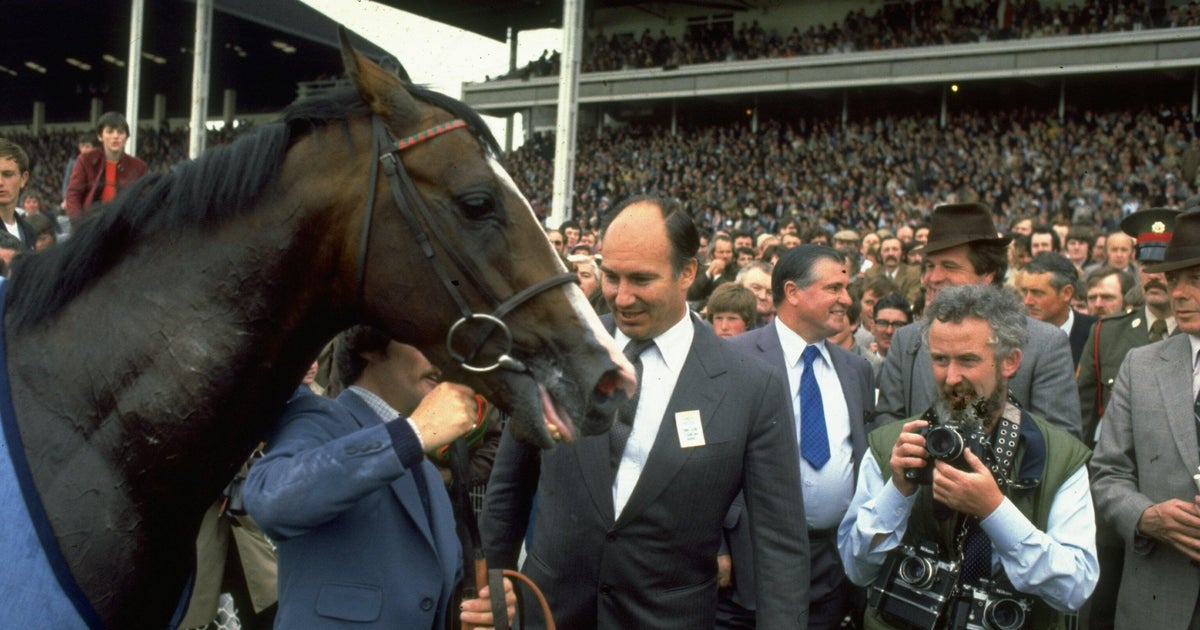
The kidnapping of Shergar, an Irish champion racehorse valued at roughly $50 million in today’s currency, remains unsolved more than 40 years after he was taken from a stud farm in County Kildare. Masked gunmen seized the stallion on the night of February 8, 1983, sparking an international search that yielded no arrests and no discovery of the horse's remains.
Shergar won the 1981 Epsom Derby by 10 lengths and was later retired to Ballymany Stud Farm for breeding. The horse was owned by the Aga Khan, who had syndicated the horse by selling 40 shares for 250,000 pounds each.
According to an interview with head groom Jim Fitzgerald, who was present during the abduction, gunmen forced him to lead them to Shergar’s stable. The kidnappers released Fitzgerald approximately 30 miles away after warning him not to speak. The motive for the crime was widely attributed to the Irish Republican Army (IRA) as a means to raise funds for weapons through ransom, though the organization never officially claimed responsibility.
Negotiations involving racing commentator Derek Thompson and the Aga Khan’s office lasted only a few days, with ransom demands fluctuating between 40,000 and 2 million pounds. The communication ended abruptly three days after the kidnapping when a caller told Thompson that the horse had died in an accident. Former IRA member Sean O'Callaghan later wrote in a 1998 memoir that the kidnappers killed Shergar shortly after the abduction because they could not manage the stallion.
The disappearance of Shergar affected a broad range of stakeholders in the international horse racing industry, including the Aga Khan and the 40 shareholders who held a collective investment worth more than $50 million in modern currency. Beyond the financial impact, the event affected staff at Ballymany Stud Farm, specifically groom Jim Fitzgerald, who was described as haunted and traumatized by the experience.
The kidnapping took place during "The Troubles," a period of violent conflict in Northern Ireland that lasted 30 years. Filmmaker Alison Millar said the IRA likely wanted cash for guns. For the public in Ireland, where the horse was viewed as a national symbol, the event brought international scrutiny to the reach of the IRA's activities south of the border.
Journalists and filmmakers continue to seek testimony from surviving figures like Kevin Mallon, who has been named by O'Callaghan as a potential ringleader, though he has not provided information to reporters. As of September 2026, the case remains unsolved.