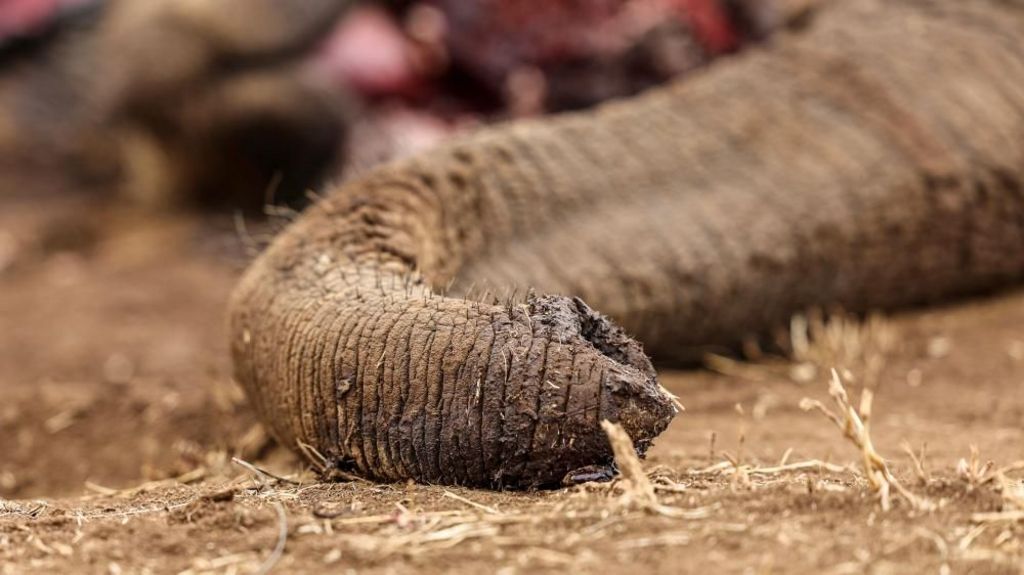
Authorities in Kenya have arrested four individuals in connection with the deaths of at least 18 elephants over the last two months. The Kenya Wildlife Service (KWS) reported that the investigation is focused on whether the animals were poisoned by pesticides applied to tomato crops.
The deaths occurred within the Amboseli National Park ecosystem in southern Kenya, a region where elephants frequently move between protected areas and human settlements. The KWS stated that the suspects include three Kenyan citizens and one Tanzanian national, all of whom have been released on bail while the inquiry continues.
Preliminary laboratory testing conducted on samples from the elephants' stomachs revealed traces of cyanide. Officials noted that the deceased animals, which were primarily adult females and their calves, exhibited signs of paralysis prior to death. Investigators are examining whether these symptoms were caused by the ingestion of tomatoes treated with illegal agrochemicals.
The affected area, known as the Kimana corridor, serves as a passage for more than 2,000 elephants traveling between Amboseli and Tsavo National Parks. While Kenya maintains regulations against prohibited pesticides, the KWS noted that such chemicals are sometimes smuggled across the border from Tanzania and used on local farms, which elephants are known to raid for food.
The concrete day-to-day change for local farmers and residents involves increased scrutiny of agricultural practices and chemical sourcing. Farmers in the Kimana area may face stricter enforcement of existing regulations regarding agrochemicals, as authorities have highlighted a history of weak enforcement and the use of prohibited substances smuggled from Tanzania. A person living in this region would notice a heightened presence of wildlife officials and potential changes to how pesticides are purchased or applied to crops like tomatoes, which are central to the investigation.
The knock-on effects of these deaths could influence future policy regarding land use and wildlife corridors in southern Kenya. The case sets a precedent for how the government addresses human-wildlife conflict involving chemical use rather than physical barriers. The next steps in the legal process depend on the ongoing investigation, as the four suspects remain on bail while authorities wait for further evidence or court dates to be established. No specific trial dates or deadlines for the final investigative report were provided by officials.