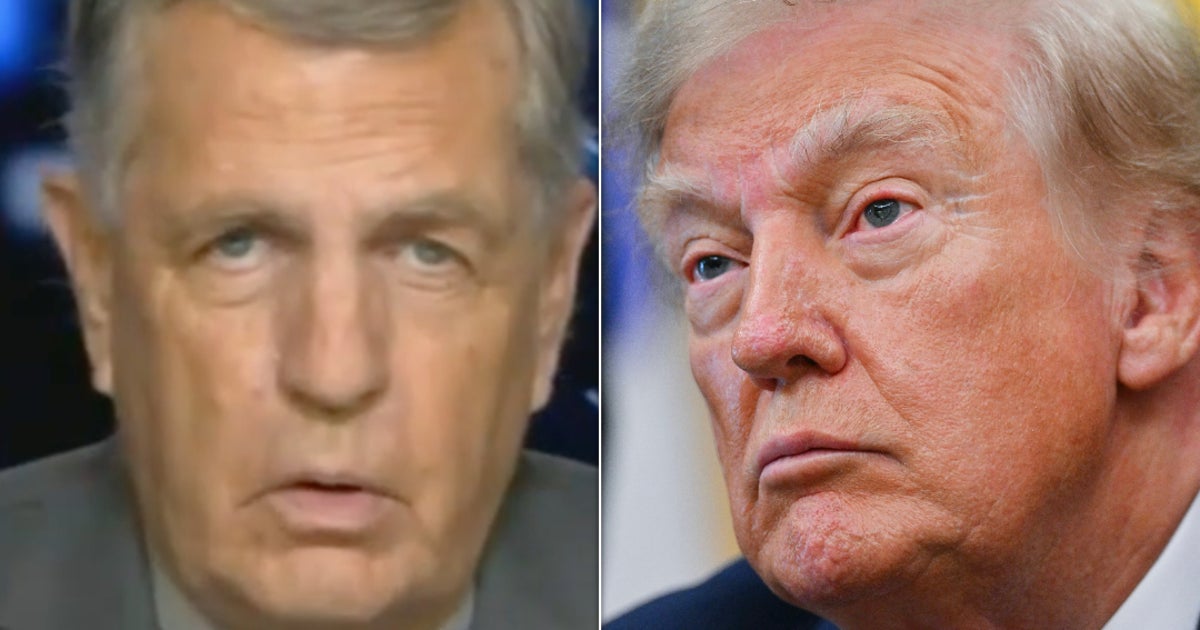
Fox News chief political analyst Brit Hume stated on Wednesday, Oct. 14, 2026, that the Republican Party should be concerned about a significant loss of seats in the upcoming midterm elections. Speaking on the program "Special Report With Bret Baier," Hume noted that while a "washout" is not certain, it remains a possibility for the party.
The analysis comes as Donald Trump has maintained a high-profile presence on the campaign trail. Hume observed that Trump has encouraged voters to treat the midterm elections as if he were on the ballot. However, Hume pointed to recent data suggesting that Trump's support within his own party has decreased since the previous Election Day.
During the broadcast, anchor Bret Baier referenced a new Fox News poll showing that voters currently favor the Democratic Party on key issues. According to the poll, Democrats hold advantages regarding the management of foreign policy, gas prices, and inflation. Hume stated that Republicans are "way underwater" on these three metrics.
Hume also cited polling data showing Trump’s approval rating at 36%, with 64% of respondents disapproving. He suggested that this standing raises questions about whether the former president should remain the central figure of the campaign. Hume compared the current political environment to the 1994 midterm elections, when the Republican Party gained control of Congress during Bill Clinton's presidency, as an example of a "wave" election that could now occur in favor of the opposition.
The potential for a "washout" affects candidates in House, Senate, and gubernatorial races. If the trend described by Brit Hume persists, it suggests that Republican incumbents in races previously considered safe could face unexpected challenges. For voters, the reported 36% approval rating for Donald Trump serves as a metric of his current influence on the electorate, potentially impacting turnout strategies for both parties.
The scale of this shift is reflected in polling on economic and international concerns. With Democrats leading on gas prices and inflation, Hume noted that Republicans are "way underwater" on these issues. This data suggests that the outcomes of the 2026 races could shift the balance of power in Congress.
What happens next depends on the final weeks of campaigning and voter turnout. Candidates in "tight" Senate and gubernatorial races will likely adjust their messaging in response to the polling data regarding inflation and foreign policy. While Hume noted that a large-scale loss is not a certainty, the 1994 precedent he cited involved a sweep to power in Congress during the Clinton presidency. Election Day 2026 will determine if these polling trends translate into a change in congressional leadership.