The Plain Record

Neutral daily news — clear headlines, complete facts.

National

France Deploys 70,000 Police Officers as Nationwide Protests Continue

French authorities deployed 70,000 officers and arrested 135 people as nationwide demonstrations over living costs and school conditions continued for another weekend.

By The Plain RecordUpdated October 24, 2026 at 11:42 AM EDT
Published October 23, 2026 at 7:21 AM EDT

The short answer

French authorities deployed 70,000 officers and arrested 135 people as nationwide demonstrations over living costs and school conditions continued for another weekend. French Interior Minister Laurent Nuñez announced on Friday, October 23, that up to 70,000 police and gendarmes would be deployed across the country to maintain order during weekend demonstrations.

Updates (2)

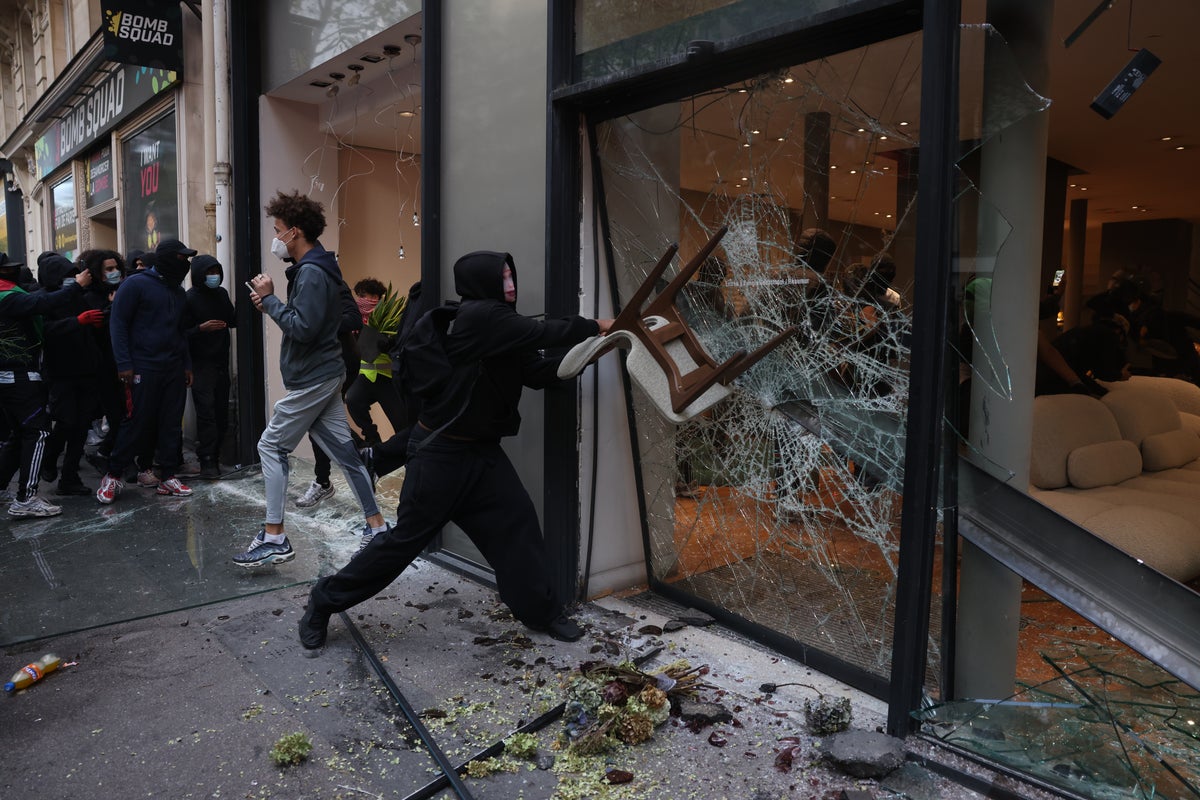
  • Update — October 24, 2026 at 11:42 AM EDT: The interior minister mobilized 70,000 police nationwide, 10,000 more than on October 17, when vandalism and looting raised questions about the government's ability ​to maintain order.
  • Update — October 24, 2026 at 10:20 AM EDT: A week after 3,000 shops were damaged or looted, France braces for more protests.
France Deploys 70,000 Police Officers as Nationwide Protests Continue

The Facts

Who
French President Emmanuel Macron, Interior Minister Laurent Nuñez, student unions, and the National Rally party.
What
Nationwide protests and police mobilization in France regarding cost of living and education conditions.
When
Friday, October 23 and Saturday, October 24, 2026
Where
France, including Paris, Lyon, Marseille, and Orleans
Why
Protests initiated by students over school conditions have expanded into a national movement regarding the cost of living and political dissatisfaction.

French Interior Minister Laurent Nuñez announced on Friday, October 23, that up to 70,000 police and gendarmes would be deployed across the country to maintain order during weekend demonstrations. By Saturday, Nuñez reported 135 arrests and the seizure of various weapons, including fireworks, slingshots, and a katana, as security forces used tear gas to disperse groups in cities like Lyon where protests had been banned.

The current wave of demonstrations began last month when high school students protested teacher shortages and infrastructure issues, but the movement has expanded into nationwide rallies regarding the cost of living. Last weekend, protests resulted in damage or looting at approximately 3,000 shops and a suspected arson at the city hall in Limoges. In response, President Emmanuel Macron scheduled a meeting with high school unions at the presidential palace on Friday afternoon to address student grievances.

In Paris, major cultural institutions including the Louvre, Orsay Museum, and Picasso Museum remained closed on Saturday, while shopkeepers on the Champs-Elysees and near Place de la République boarded windows with wooden panels. While an NFL game between the New Orleans Saints and Pittsburgh Steelers remained scheduled for Sunday, several associated fan events were canceled or postponed. In Orleans, police reported that 11,000 people—though organizers claimed 26,000—marched against a congress held by the National Rally party.

The protests are also influencing the broader French economy and political landscape. S&P Global reported that French business activity contracted in October, dropping to 48.4 points on the flash services PMI, which businesses linked to heightened political uncertainty. Additionally, the cost for the French government to borrow money has increased as investors react to the country's financial outlook and the upcoming presidential election.

What happens next: The security mobilization will remain in effect through the weekend, with French authorities monitoring social media for calls to target public buildings. A scheduled soccer match between Paris Saint-Germain and Olympique Lyonnais has been moved to Monday night. The broader political contest continues as Marine Le Pen of the National Rally launches her campaign to succeed President Macron, with national elections scheduled to take place in six months.

Timeline of what happened

Key dates and decisions, in the order they occurred.

  1. October 17, 2026

    Nationwide protests draw over 500,000 people and result in 3,000 shops damaged

  2. October 22, 2026

    President Macron vows to ban all demonstrations not organized by unions

  3. October 23, 2026

    Interior Minister announces 70,000 police deployment; Macron meets student unions

  4. October 24, 2026

    Police report 135 arrests and seize weapons as weekend protests begin

  5. October 26, 2026

    Paris nighttime curfew scheduled to end; postponed soccer match to be held

Summaries are written by The Plain Record to state the facts of a story plainly and without political slant. Drafted with AI assistance and checked against the source record before publication. See how we report, or report a correction.

← Back to the front page

Questions readers ask

What happened: France Deploys 70,000 Police Officers as Nationwide Protests Continue?

Nationwide protests and police mobilization in France regarding cost of living and education conditions.

Who is involved?

French President Emmanuel Macron, Interior Minister Laurent Nuñez, student unions, and the National Rally party.

When did this happen?

Friday, October 23 and Saturday, October 24, 2026

Where did this happen?

France, including Paris, Lyon, Marseille, and Orleans

Why does this matter?

Protests initiated by students over school conditions have expanded into a national movement regarding the cost of living and political dissatisfaction.