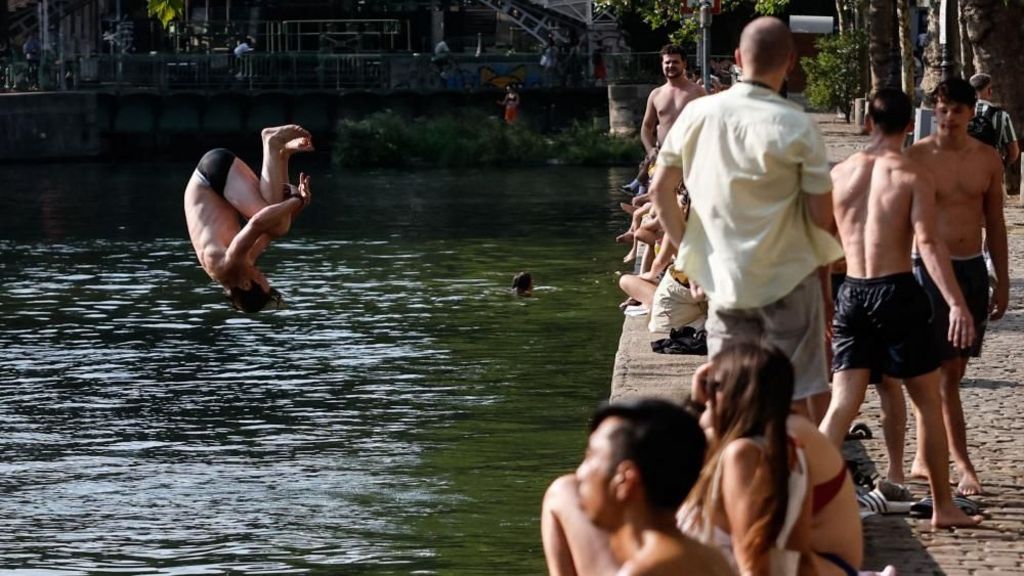
French Sports and Youth Minister Marina Ferrari announced that 301 people have died by drowning since June 19, an increase of 14% compared to the same period in 2025. Ferrari attributed the rise in fatalities to prolonged heatwaves that have prompted more people to enter the water, often in unsafe conditions.
The announcement follows a summer characterized by high temperatures across Southern Europe, including France, Spain, and Italy. These conditions have also contributed to large-scale wildfires that have burned thousands of hectares across the region.
Minister Ferrari noted that many of the deaths occurred in unauthorized or unsupervised swimming areas, such as canals and other open water. Additionally, she stated on Friday that a significant number of drownings involved elderly individuals in private residential pools.
Health officials identified specific physical risks associated with swimming during extreme heat. According to Ferrari, entering cold water suddenly on a hot day can cause physical shock, and some swimmers may attempt to exceed their physical capabilities while trying to cool down.
The French government is currently coordinating with regional authorities to improve the safety and oversight of swimming areas. This effort follows a prior warning issued by Ferrari in June regarding the risks of swimming in rivers and canals during the heat.
The scale of the impact is reflected in the thousands of hectares burned by wildfires in France, Spain, and Italy, alongside the hundreds of individual fatalities. For a typical household, these events may translate into restricted access to local canals or rivers as regional authorities work to secure these areas. The government’s response involves changing how swimming areas are managed and supervised, which could lead to new local regulations or increased patrols at unauthorized sites like canals and open water bodies.
Furthermore, the situation highlights the broader pressure on emergency services and regional governments, which must manage both fire suppression and water safety during extreme weather. As the Copernicus climate service reports that Europe is warming twice as fast as the global average, these fatalities represent a recurring policy challenge for French authorities. The immediate next steps involve ongoing coordination between the central government and regional leaders to finalize safety improvements, though no specific deadline for these measures was reported.