French health authorities confirmed on Thursday, Oct. 22, 2026, that a patient in Lyon died in early October after contracting the Shamonda virus, marking the first documented human case of the disease. The French Ministry of Agriculture stated that the patient was severely immunocompromised and experienced cerebral complications that were "very likely" linked to the infection. While the virus has circulated in Africa and Asia for decades, it had previously been considered non-transmissible to humans.
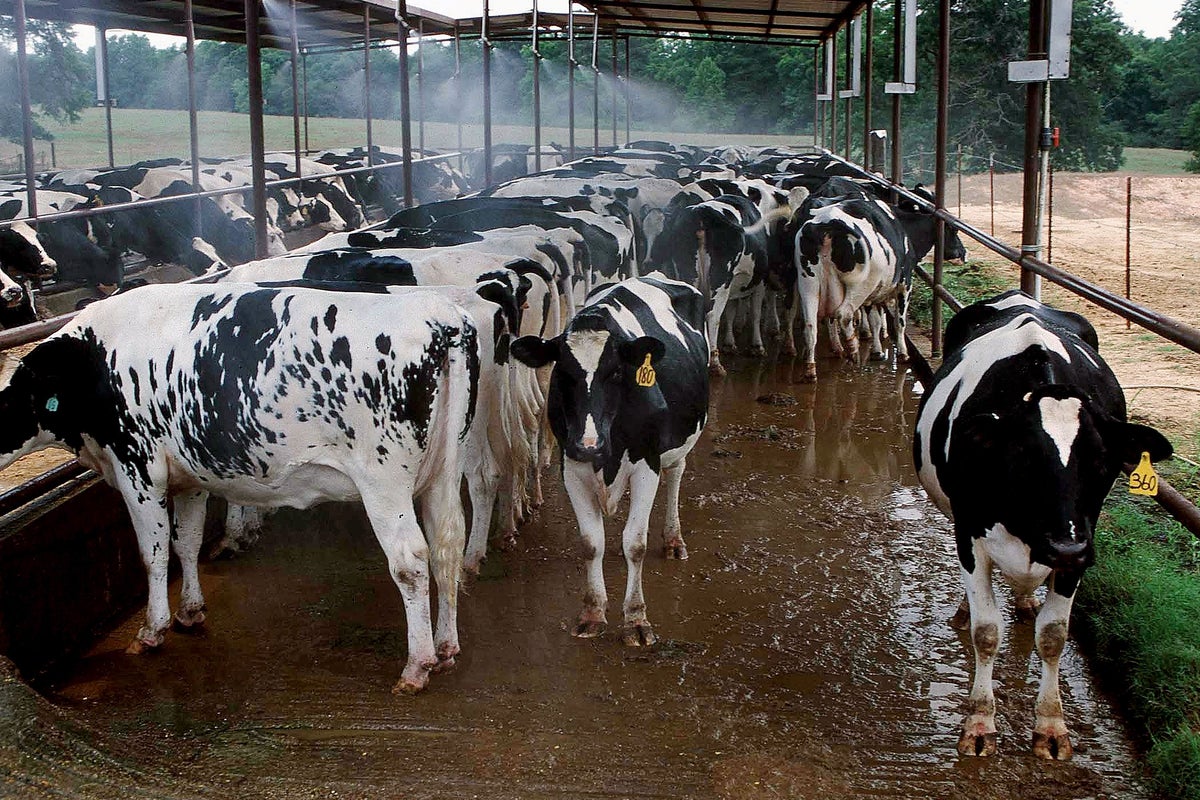
The Shamonda virus is an insect-borne Orthobunyavirus typically transmitted by midges and typically affects livestock. It was first identified in Nigeria in the mid-1960s and was detected in Europe for the first time during the summer of 2026. Prior to this human case, the virus was identified in cattle, sheep, goats, horses, and alpacas. While not considered fatal in cattle, the virus causes fever, diarrhea, and reduced milk production in dairy herds.
As of late September and early October 2026, the virus had spread across multiple European nations. In France, 51 departments had identified the virus by Sept. 29. Germany reported the virus in nearly all federal states, affecting thousands of farms and recording three equine deaths from encephalitis. Other confirmed detections occurred in Britain, Switzerland, the Netherlands, Ireland, Spain, and Portugal. French health officials stated that despite this case, no health risk to the general population has been identified, as the patient was in a unique medical state.
For livestock owners and veterinarians, the concrete day-to-day change involves increased surveillance for symptoms such as transient fever and watery diarrhea in herds. Because the virus can be transmitted from a mother to a fetus, farmers may not notice the full impact of gestational infections, such as abortions or congenital malformations, until months after the initial infection. There is currently no vaccine or antiviral medication available for the Shamonda virus.
The broader impact involves a potential shift in how European health and veterinary agencies coordinate their response to midge-borne diseases. The Friedrich-Loeffler-Institut noted that the rapid spread of two distinct genotypes, SHAV-EU1 and SHAV-EU2, suggests multiple introduction events favored by high summer temperatures. The next steps include ongoing clinical, biological, and epidemiological investigations by French authorities to further characterize the virus's host range and human health implications. Veterinary agencies in Britain have advised farmers to report suspected cases to local investigation centers for further testing.